---
title: 6 Considerations When Starting a Loyalty Program
description: Unlock the secrets to a successful loyalty program with our guide. Learn key considerations for long-term success, from setting goals to ease of use.
image: https://datacandy.com/hubfs/Imported_Blog_Media/Frame%2040-2-Feb-25-2026-11-23-13-3052-PM.jpg
---
[Skip to main content](https://datacandy.com/resources/6-considerations-when-starting-a-loyalty-program#main-content)
- Platform
- [### Gift Cards
Attract new customers and see impressive returns by selling gift cards.
](https://datacandy.com/platform/gift-cards)
- [### Loyalty Program
Boost customer spending and drive repeat visits.
](https://datacandy.com/platform/loyalty-program)
- [### Automated Offers
Drive repeat business with automated offers sent at the perfect time.
](https://datacandy.com/platform/automated-offers)
- [### Reviews
Easily get more customer reviews, referrals, and digital word of mouth.
](https://datacandy.com/platform/reviews)
- [### Insights
Track the health and ROI of your gift card and loyalty programs.
](https://datacandy.com/platform/insights)
- [### Social Rewards
New
Reward your members for taking action on social media.
](https://datacandy.com/platform/social-rewards)
- [### Mobile Apps
New
Launch a branded smartphone app for points, rewards, and offers.
](https://datacandy.com/platform/mobile-apps)
- [ For large businesses
### DataCandy PRO
Enterprise power for high volume, multi-location businesses.
](https://datacandy.com/pro)
### [How does it work? 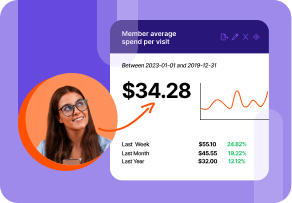 Take a peek under the hood to see how DataCandy's gift & loyalty platform can benefit your business. Watch a demo](https://datacandy.com/how-does-datacandy-work)
- Learn More
### [How to Create Customer-Driven Growth -Feb-25-2026-07-19-46-9712-PM.png) Guide: How to Start a Gift Card Program for Small Business Learn more](https://datacandy.com/resources/how-to-create-a-gift-card-program-for-small-business)
- Industries
- [### Health & Wellness
Ideal for spas, gyms, massage clinics, fitness studios, and more.
](https://datacandy.com/health-wellness)
- [### Retail
Ideal for grocery stores, boutiques, e-commerce retailers, and more
](https://datacandy.com/retail)
- [### Restaurant
Ideal for cafes, pubs, quick-service restaurants, and more.
](https://datacandy.com/restaurant)
- [### Gas & Convenience
Ideal for gas stations and convenience stores.
](https://datacandy.com/gas-convenience)
- [ For large businesses
### DataCandy PRO
Enterprise power for high volume, multi-location businesses.
](https://datacandy.com/pro)
### [Curious about your loyalty revenue potential? 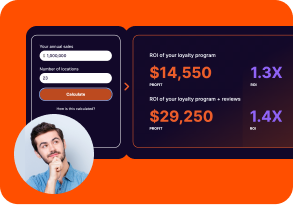 Find out how much your loyalty program could earn with our ROI calculator. Use our ROI calculator](https://datacandy.com/loyalty-roi-calculator)
- [ Integrations ](https://datacandy.com/integrations)
- [ Pricing ](https://datacandy.com/pricing)
[ Login ](https://app.datacandy.com/auth/login) [ Get Started ](https://datacandy.com/sign-up-loyalty-program)
[**
Blog
•
](https://datacandy.com/resources/tag/blog) [ Loyalty Programs ](https://datacandy.com/resources/tag/loyalty-programs)
# 6 Considerations When Starting a Loyalty Program
###### [Elaine Pu](https://datacandy.com/resources/author/elaine-pu)
•
4 min read
** ** **
When a business decides to set up a loyalty program, the energy is usually focused on the fun stuff: the point system, the cool perks, and the big launch party. It's totally understandable to want to skip straight to designing those customer-facing mechanics.
But here's the secret: the loyalty programs that don't just hang around but actually *crush it* aren’t born from a rush of excitement, they're the result of smart planning and looking ahead. Before you roll out points and perks, here are a few key things worth considering to set your program up for long-term success.
## **1. What Are You Hoping Loyalty Will Fix?**
Before you roll out that loyalty program, you've gotta figure out what you want it to actually *do*. Getting clear on this main goal is key, it'll decide what kind of rewards you offer and guide every choice you make after. To nail down your objective, just start by asking: what's the biggest headache or issue you're dealing with right now?
**Some potential questions include: **
- Do customers come once and never return?
- Are visits happening less often than you’d like?
- Are discounts bringing in one-time deal hunters?
- Do your best customers feel unnoticed?
**What this looks like in practice:**
- If repeat visits are low, then reward frequency (visits, purchases, refills)
- If spend is inconsistent, then reward specific products or higher-value actions
- If retention is the issue, then focus on welcoming, easy-to-earn early rewards
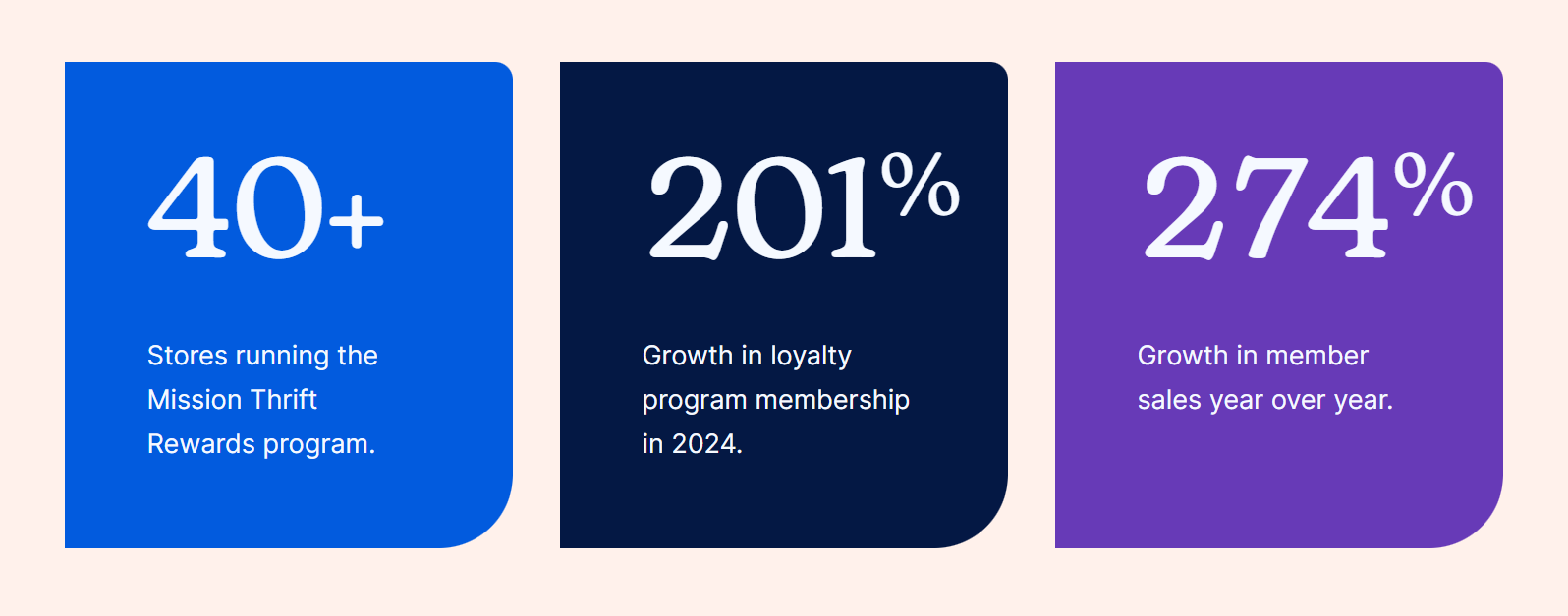
When loyalty is tied to a real business challenge, it becomes much more effective. For example, [Mission Thrift](https://datacandy.com/resources/mission-thrift-case-study) launched its loyalty program to strengthen relationships and boost repeat visits across 40+ stores. Before DataCandy, they had no centralized system to track customer behavior or reward habits, which made personalized engagement nearly impossible. With a unified loyalty program, they saw customer engagement, repeat shopping, and measurable growth across multiple locations.
## **2. Who Are You Designing This For?**
Not every customer interacts with loyalty the same way, and that’s okay.
**Before launching, think about who you want to focus on:**
- Regulars you want to keep coming back
- New customers you’d love to turn into repeat visitors
- Customers who already engage with your brand
Design loyalty around your *regular *customers, not your occasional one. If your regulars visit monthly, your rewards should feel achievable within that rhythm. A great loyalty program rewards the behaviours you want more of, while still being simple and welcoming for everyone to join.
## **3. Can You Explain it in One Breath?**
If a loyalty program is confusing, customers won’t bother and staff won’t feel confident talking about it either.
**Before you launch, sanity-check your setup:**
- Can you explain how it works in one sentence?
- Would a customer understand it without fine print?
- Is it easy to see progress toward a reward?
**Example explanations that work:**
- *“Earn points every time you visit. Redeem them for free products.”*
- *“Buy what you already love, earn rewards automatically.”*
- *“Five visits = a free add-on.”*
The easier it is to understand, the more likely customers are to participate. Loyalty should feel effortless, not like homework.
A great example of this kind of simplicity is DataCandy Client, Global Pet Foods’ loyalty program. Customers buy a certain number of pet food bags and get one free. No points math, no complicated rules, and no fine print to explain. It’s easy for staff to describe in seconds and easy for customers to understand at a glance. That clarity has helped make it one of [Canada’s top-performing retail loyalty programs. ](https://www.newswire.ca/news-releases/announcing-the-2025-edition-of-loyalt-the-most-comprehensive-study-of-canadian-retail-loyalty-program-performance-827734826.html)
Curious how Global Pet Foods made simplicity work?
Explore the insights in our free Gift & Loyalty Report to see more loyalty trends.
[ Download Report ](https://start.datacandy.com/gift-and-loyalty-report)
## **4. Do the Rewards Feel Worth it?**
Customers don’t expect over-the-top rewards, but they do want something that feels achievable and relevant.
**Before starting, consider:**
- How long it takes to earn a reward
- Whether rewards match what customers already buy
- If the value feels exciting or just “meh”
When rewards align with customer preferences, loyalty feels like a genuine perk and you’ll see sign-ups skyrocket.
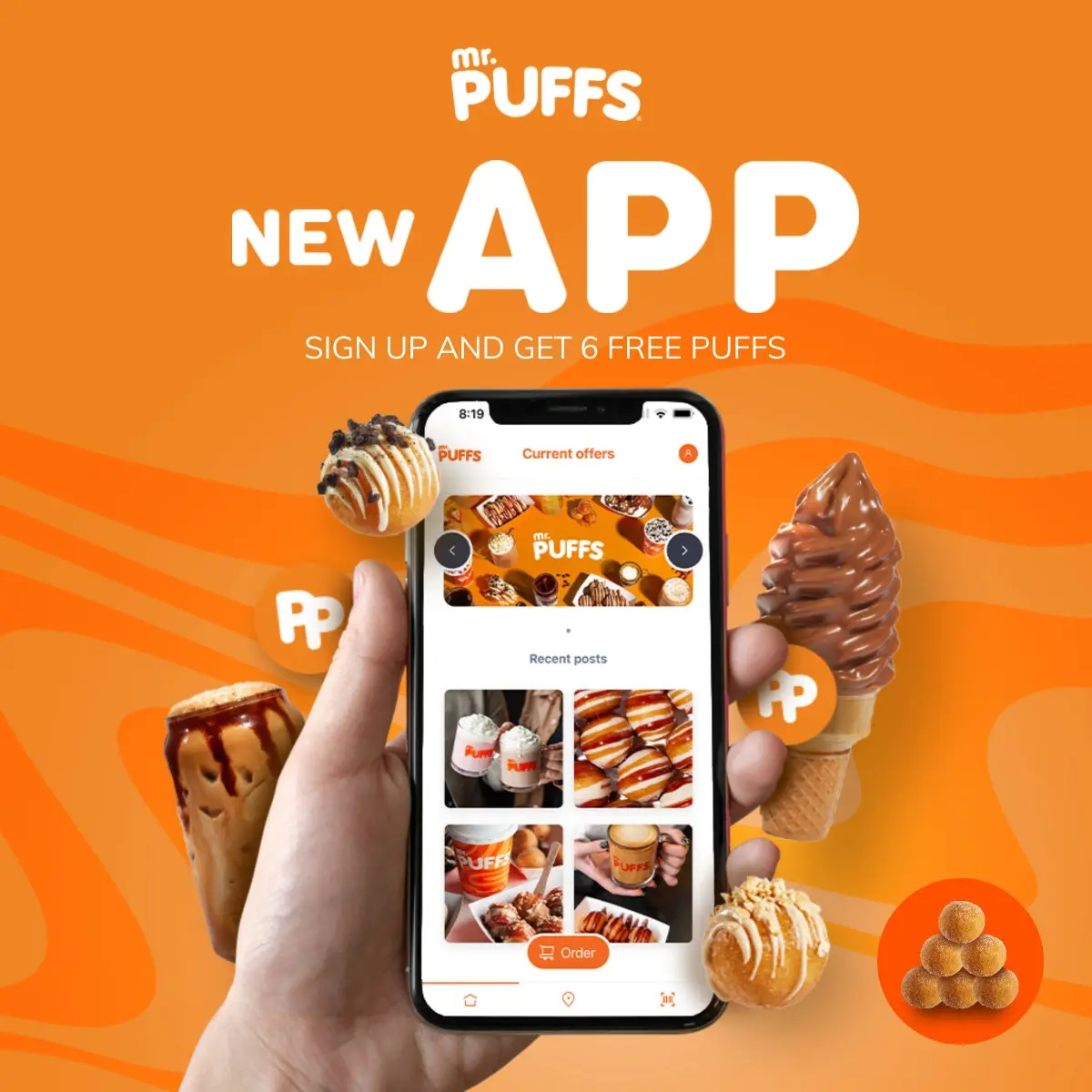
A great example of rewards that feel exciting are [Mr. Puffs' Puff Points](https://datacandy.com/resources/mr-puffs-case-study). Members earn points that give them VIP-style perks like skipping long lines, special birthday treats, and access to personalized offers. That approach helped them grow membership by over 317% in just two weeks because the rewards aligned with what customers already loved.
## **5. Can it Grow With Your Business?**
Most loyalty programs start simple and they should. But it’s still worth thinking about what comes next.
**Down the road, you may want to add:**
- **More personalized rewards: **Once your memberships start to increase, you might want to offer different rewards based on customer’s shopping habits. For example, if a customer likes to buy coffee, you can offer bonus points on coffee creamer (we call this [SKU-based loyalty](https://datacandy.com/resources/what-is-sku-based-loyalty-and-why-it-matters-for-personalized-marketing)).
- **Surprise-and-delight moments: **Such as birthday surprises, win-back campaigns and [other loyalty member exclusive offers.](https://datacandy.com/resources/how-to-set-up-a-lights-out-promotion-that-runs-on-autopilot)
- **Recognition for milestones or VIP behaviour: **You may want to add [tiered memberships](https://datacandy.com/resources/5-types-of-loyalty-program-features-and-when-to-use-them) down the road, in order to keep members engaged. For example, the more you spend, the more perks you unlock.
Choosing a flexible approach early makes it easier to evolve your program without starting over.
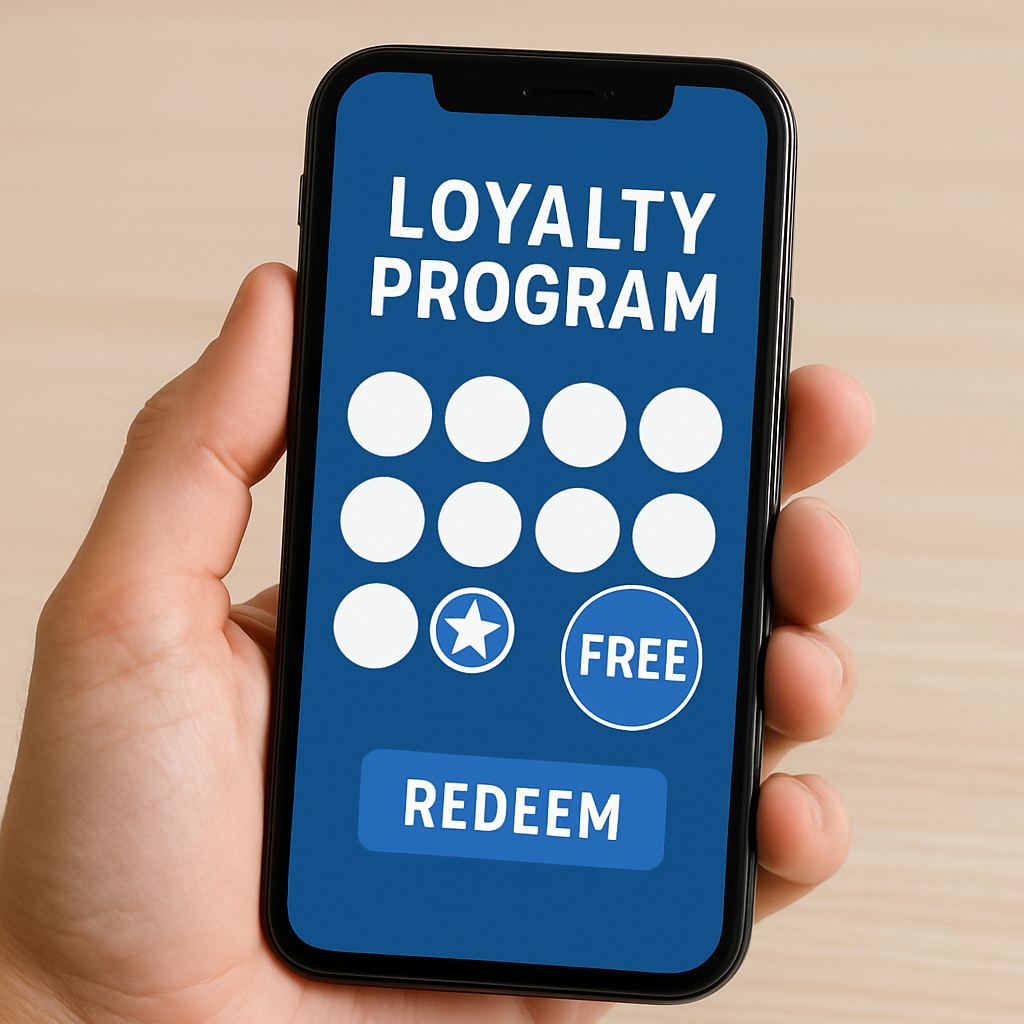
DataCandy is built with this flexibility in mind—making it easy to start simple today and layer in personalization, campaigns, and emotional loyalty over time, without having to rebuild your program from scratch.
Want to see just how easy loyalty can be?
Watch a quick DataCandy demo and see how everything runs automatically behind the scenes.
[ Watch a Demo ](https://datacandy.com/how-does-datacandy-work)
## **6. Is it Easy to Run Behind the Scenes?**
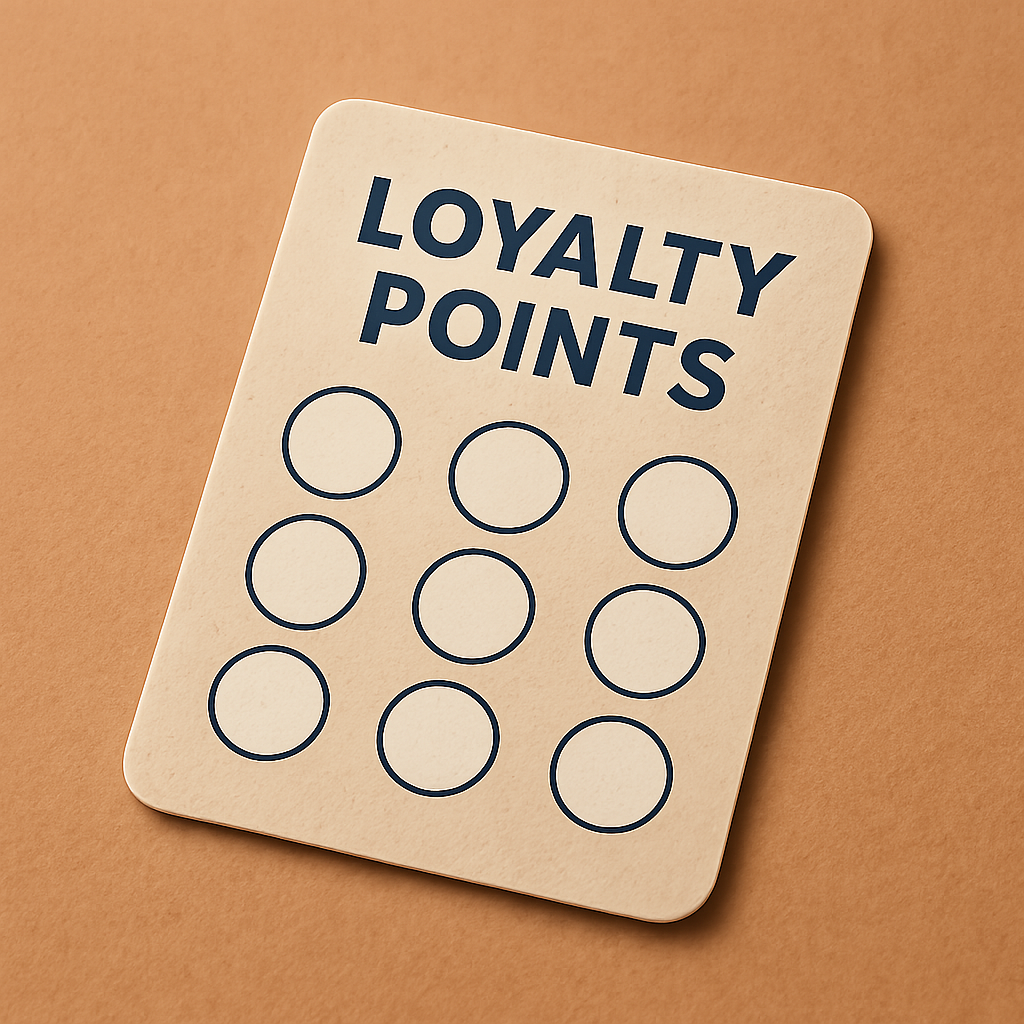
Before you launch, take a moment to think about how loyalty will actually work day to day. If it’s clunky or time-consuming for your team, it’s likely to get skipped or forgotten. The best loyalty programs are simple to run, easy to explain, and mostly take care of themselves.
**Ask yourself:**
- Is it quick and easy to enroll customers?
- Are points and rewards automatic?
- Can you see results without manual tracking?
**Practical features to look for:**
- Enrollment that takes seconds at checkout or online
- Automatic point earning and redemption, with no staff calculations required
- A clear dashboard that shows sign-ups, engagement, and reward redemptions at a glance
A good loyalty program should save time, not create more work. With DataCandy, everything is tracked automatically in [one easy-to-use dashboard](https://datacandy.com/platform/insights), so your team can focus on customers while loyalty runs quietly in the background.
## **Final Thoughts**
Starting a loyalty program isn’t about moving fast, it’s about starting smart. When you take time to think through your goals, your customers, and the experience you want to create, loyalty becomes much easier to get right.
Keep it simple, make it valuable, and build it around real customer behavior and you’ll set your program up for long-term success.
Want more tips on launching your loyalty program?
Read our full guide on how to announce your loyalty program.
[ Read More ](https://datacandy.com/resources/how-to-announce-a-new-loyalty-program-and-drive-sign-ups)
Elaine Pu
Elaine is a content marketer at the Paystone brands. She likes thrifting, baking and scrapbooking.
Like what you see? Share with a friend.
** ** **
- ### Platform
- [ Gift Cards ](https://datacandy.com/platform/gift-cards)
- [ Customer Loyalty ](https://datacandy.com/platform/loyalty-program)
- [ Automated Offers ](https://datacandy.com/platform/automated-offers)
- [ Social Rewards ](https://datacandy.com/platform/social-rewards)
- [ Insights ](https://datacandy.com/platform/insights)
- [ Reviews ](https://datacandy.com/platform/reviews)
- [ DataCandy Pro ](https://datacandy.com/pro)
- [ Integrations ](https://datacandy.com/integrations)
- [ Pricing ](https://datacandy.com/pricing)
- [ Get Started ](https://datacandy.com/sign-up-loyalty-program)
- ### Resources
- [ Resource Hub ](https://datacandy.com/resources)
- [ Blog ](https://datacandy.com/resources/tag/blog)
- [ Podcast ](https://www.builtbymepodcast.com/)
- [ Help Centre ](https://help.datacandy.com/en/)
- [ Become a Partner ](https://datacandy.com/partners)
- [ Product Status ](https://status.datacandy.com/)
- ### Company
- [ Contact us ](https://datacandy.com/contact)
- [ Careers ](https://www.paystone.com/careers)
- [ Terms of use ](https://datacandy.com/terms-conditions)
- [ Privacy Policy ](https://datacandy.com/privacy)
- ### Get in touch
- [
1-877-630-0478
](tel:18776300478)
- [
support@datacandy.com
](mailto:support@datacandy.com)
- 509 Commissioners Rd. W.
Unit 434
London, ON, N6J 1Y5
- Mon.-Fri.
9 a.m.-5 p.m. ET
- [ Login ](https://app.datacandy.com/auth/login)
- English Français
- 
- 
- 
- 
-
-
-
-
```json
{
"@context" : "https://schema.org",
"@type" : "BlogPosting",
"author" : {
"@type" : "Person",
"name" : "Elaine Pu",
"url" : "https://datacandy.com/resources/author/elaine-pu"
},
"dateModified" : "2026-04-13T23:31:16.798Z",
"datePublished" : "2026-04-13T23:31:16.000Z",
"headline" : "6 Considerations When Starting a Loyalty Program",
"image" : [ "https://datacandy.com/hubfs/Imported_Blog_Media/Frame%2040-2-Feb-25-2026-11-23-13-3052-PM.jpg" ],
"mainEntityOfPage" : {
"@id" : "https://datacandy.com/resources/6-considerations-when-starting-a-loyalty-program",
"@type" : "WebPage"
},
"publisher" : {
"@type" : "Organization",
"logo" : {
"@type" : "ImageObject",
"url" : "https://datacandy.com/hubfs/NiceJobLogo-Primary.svg"
},
"name" : "NiceJob, a Paystone Company"
}
}
```