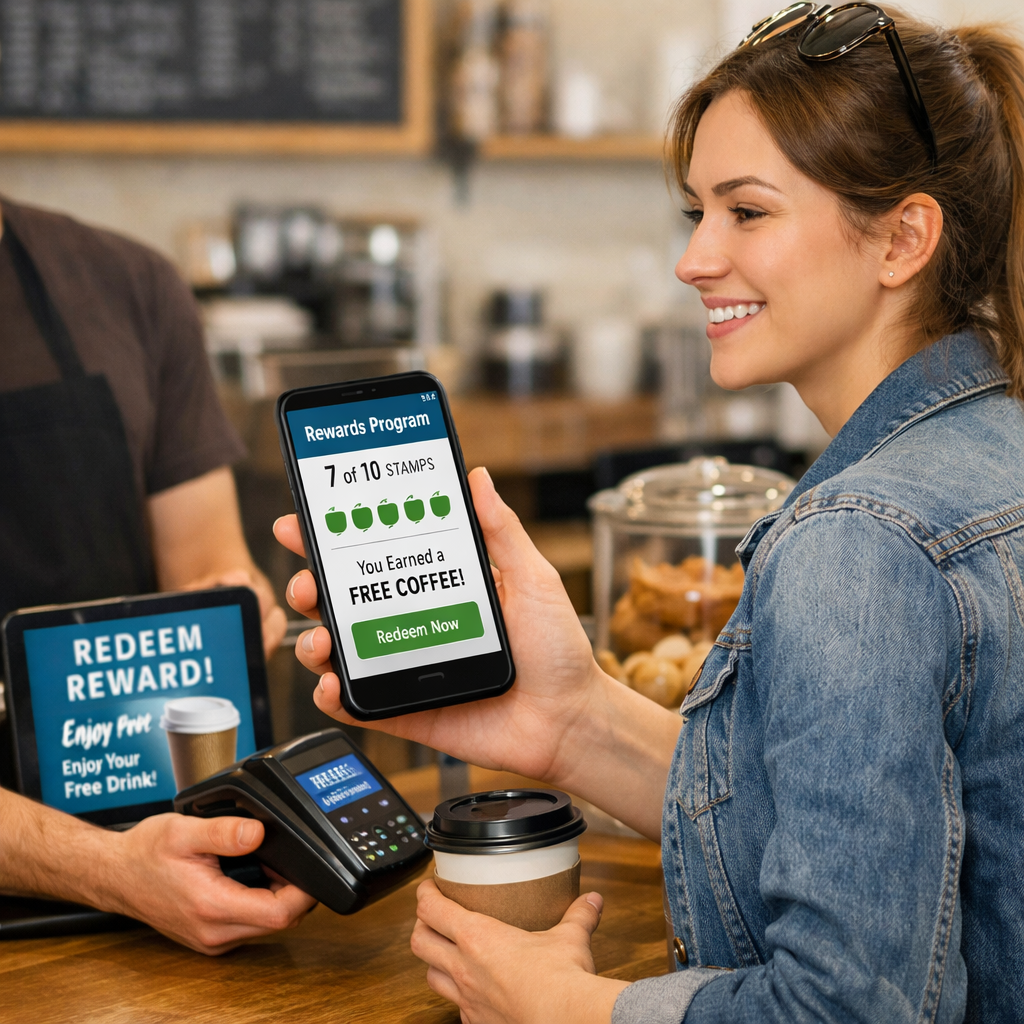
Building a base of regular customers has always been one of the most reliable ways to grow a restaurant.
When guests come back consistently, everything gets easier—revenue becomes more predictable, marketing works harder, and your business isn’t relying on constant new traffic to stay busy.
But consistency doesn’t happen by accident anymore. Customers have more choice, more convenience, and more reasons to try somewhere new. Even great restaurants need a way to stay top-of-mind and give people a reason to return.
That’s where a loyalty program comes in.
When it’s set up properly, a loyalty program creates a steady rhythm of repeat visits, higher spend, and stronger relationships over time.
This guide walks you through exactly how to set up a loyalty program for your restaurant, how to choose the right approach, and how to make sure it actually drives results for your business.
Why Restaurant Loyalty Programs Work (And Who They Work Best For)
At its core, a loyalty program does one thing really well: it turns occasional customers into repeat customers.
Instead of hoping someone comes back, you’re giving them a clear incentive to do so. In fact, 47% of restaurant loyalty members use their memberships several times a month, and 32% use them several times a week. That kind of consistent engagement is what drives real, measurable growth.
For restaurants, that matters more than almost anything else. A large portion of your revenue likely comes from a relatively small group of repeat customers. When those visits become less frequent, it has a noticeable impact on your bottom line.
A well-run loyalty program helps stabilize that by:
- Encouraging customers to come back sooner
- Increasing how much they spend per visit
- Keeping your restaurant top-of-mind between visits
It also gives you something extremely valuable: direct customer insight. You start to see patterns—who your most valuable customers are, when they visit, and what drives them to return.
Because of their ability to increase repeat visits, boost spend per visit, and provide valuable customer data, loyalty programs are quickly becoming a standard part of how restaurants operate. About 51% of quick-service restaurants already offer a loyalty program, compared to 29% of full-service restaurants—highlighting how widely adopted they’ve become.
If you want to see what this looks like in practice, reviewing examples of loyalty programs that work can give you a clearer sense of what drives real customer behaviour.
Who benefits the most?
Loyalty programs work well across a wide variety of restaurant types. At their core, loyalty programs are designed to support any business that relies on repeat customers, which makes them a strong fit for most operators.
They’re especially effective for:
-
Quick-service and fast casual restaurants where visit frequency is high
-
Cafés, bakeries, and takeout-focused businesses with repeat purchase behaviour
-
Restaurants trying to reduce reliance on delivery apps and drive direct orders
If your business depends on repeat visits (which most do), a loyalty program will be highly beneficial for your bottom line.
Points-Based, Visit-Based, or Gift Card–Linked: Choosing the Right Model
Choosing the right loyalty model isn’t about what’s most popular—it’s about what fits your operation, your pricing, and how your customers actually behave.
A program that works well for a coffee shop won’t necessarily work for a full-service restaurant. The goal is to match your model to how often customers visit, how much they typically spend, and how simple you can keep the experience.
One rule applies across the board: the easier it is to understand and use, the more successful it will be.
Points-Based Programs
Points-based programs reward customers based on how much they spend, turning each purchase into progress toward a reward.
For example:
- Earn 1 point per $1 spent
- Redeem 100 points for $5 off
This model works well because it directly ties rewards to revenue. The more a customer spends, the faster they earn.
Common in:
- Full-service and casual dining restaurants
- Multi-location restaurant groups
- Retail businesses with varied pricing
These businesses benefit from flexibility, since customers may spend different amounts on each visit.
Why operators choose this:
- Works across a wide range of menu items and price points
- Encourages customers to add items (“I’m close to a reward anyway”)
- Can be adjusted easily as your business grows (change earn rates, bonus offers, etc.)
- Easy to run promotions like double points days or limited-time bonuses
Visit-Based Programs (Digital Punch Cards)
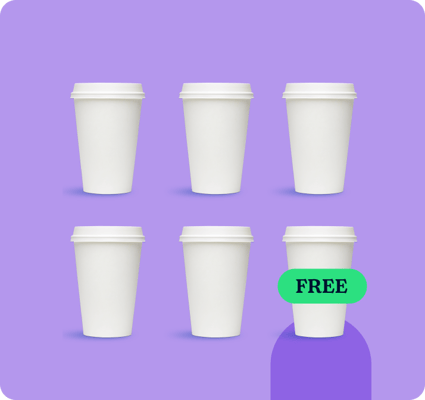
Visit-based programs reward frequency rather than spend. Customers earn credit for each visit, regardless of how much they purchase.
For example:
- Buy 8 coffees, get the 9th free
This is one of the most familiar loyalty formats, and that familiarity is a big advantage.
Common in:
- Coffee shops and cafés
- Quick-service restaurants
- Bakeries, dessert shops, and smoothie bars
These businesses typically see frequent, lower-value transactions, making visit-based rewards a natural fit.
Why operators choose this:
- Easy to understand
- Increases visit frequency
- Simple and achievable reward structure
- Creates a clear, short-term goal for customers
This model is ideal if your main goal is to increase visit frequency—especially for businesses built around routine purchases like coffee, lunch, or quick takeout.
How to Choose Between Them
If you’re deciding between the two, it often comes down to a simple question:
- Do you want customers to visit more often? → Visit-based
- Do you want customers to spend more each time they visit? → Points-based
For many restaurants, especially those with multiple locations or varied menus, a points-based system offers more flexibility long term. But if simplicity and speed are your top priorities, visit-based programs are hard to beat.
And if you’re weighing your options, it’s worth noting that DataCandy supports both points-based and visit-based loyalty programs, giving you the flexibility to choose the model that fits your business today—and adjust it as your needs evolve.
What to Look for in a Loyalty Platform If You Run 1–20 Locations
You don’t need enterprise-level software with dozens of features you’ll never use. You need something that works reliably during a busy shift and is easy for both staff and customers.
1. Easy for Staff and Customers
If it slows down your checkout or confuses customers, adoption will drop quickly.
Look for:
- Fast sign-up (ideally just a phone number)
- No mandatory app download
- Simple earning and redemption rules
If a customer has to ask how it works more than once, it’s too complicated.
2. Seamless Multi-Location Support
If you operate more than one location, your loyalty program needs to reflect that.
Customers expect:
- To earn rewards at one location and redeem at another
- Accurate balances no matter where they visit
- A consistent experience across all stores
Behind the scenes, you need:
- Centralized reporting
- Real-time updates
- No manual reconciliation
Without this, you create friction—and risk losing trust.
3. Built-In Marketing and Automation
Loyalty programs are most effective when they don’t rely on you to manually stay on top of every interaction. Built-in marketing automation helps keep customers engaged by sending the right message at the right time—whether that’s a reminder that they’re close to a reward, a promotion you’re running, or even a personalized offer based on what they typically order.
Look for tools that allow you to:
- Send targeted offers automatically
- Trigger promotions based on behaviour (e.g., hasn’t visited in 30 days)
- Reward your best customers differently than occasional ones
- Create personalized incentives based on purchase habits (aka SKU-based rewards)
4. POS Compatibility and Operational Fit
Your loyalty platform should fit into your current setup without disruption.
At minimum:
- Works alongside your POS
- Doesn’t slow down transactions
- Requires minimal staff training
If your team avoids using it during busy periods, it won’t succeed.
5. Clear ROI and Reporting
You should be able to answer:
- Are members visiting more often?
- Are they spending more?
- Is the program paying for itself?
If you’re evaluating options, it’s worth taking a few minutes to calculate your loyalty program ROI so you know what to expect before you commit.
Use our loyalty program ROI calculator to see how much you could be making from implementing a loyalty program
Step-by-Step: Launching Your Restaurant Loyalty Program
Step 1: Define Your Primary Goal
Your goal sets the direction for every other decision you make—from the type of rewards you offer to how you communicate the program to customers. It also gives you a clear way to measure success and make adjustments over time, rather than guessing what’s working.
Examples of goals include:
-
Increase repeat visits
-
Boost average order value
-
Collect customer data to create stronger campaigns
-
Drive traffic during slow periods
Step 2: Design a Simple Reward Structure
Simplicity is one of the most important factors in whether a loyalty program actually gets used.
If a customer can’t understand the value right away, they’re far less likely to sign up or engage with it after they do. A good rule of thumb is that the value of your program should be easy to explain in one or two sentences.
That means focusing on one clear, compelling benefit instead of trying to layer in too many rules, tiers, or conditions.
Examples of simple, effective loyalty messaging:
- “Earn 1 point per $1, get $5 off at 100 points”
- “Buy 8 coffees, get your 9th free”
- “Spend $100, get $10 back”
- “Join today and get 10% off your next visit”
Keeping it simple also makes it much easier for your staff to promote consistently at checkout and across your marketing. The clearer the value, the more often it gets mentioned, and the faster your program grows.
Step 3: Set Up Your Platform
This is where your loyalty program starts to take shape behind the scenes. A good setup ensures everything runs smoothly from day one.
At this stage, you’re defining how your loyalty program works in practice.
This typically includes:
- Configuring your rewards: Set your earning rules (points per dollar or visits per reward), redemption thresholds, and any bonus incentives. Make sure you align your program with your original goal—whether that’s increasing visit frequency, boosting spend, or both.
- Branding the experience: This includes naming your program, adding your logo and colours, and ensuring any customer-facing touchpoints (texts, emails, receipts) reflect your brand.
- Connecting all locations: If you operate more than one location, this step is critical. You’ll want to ensure customers can earn and redeem rewards seamlessly across every store, with shared balances and consistent rules. This avoids confusion and creates a smoother customer experience.
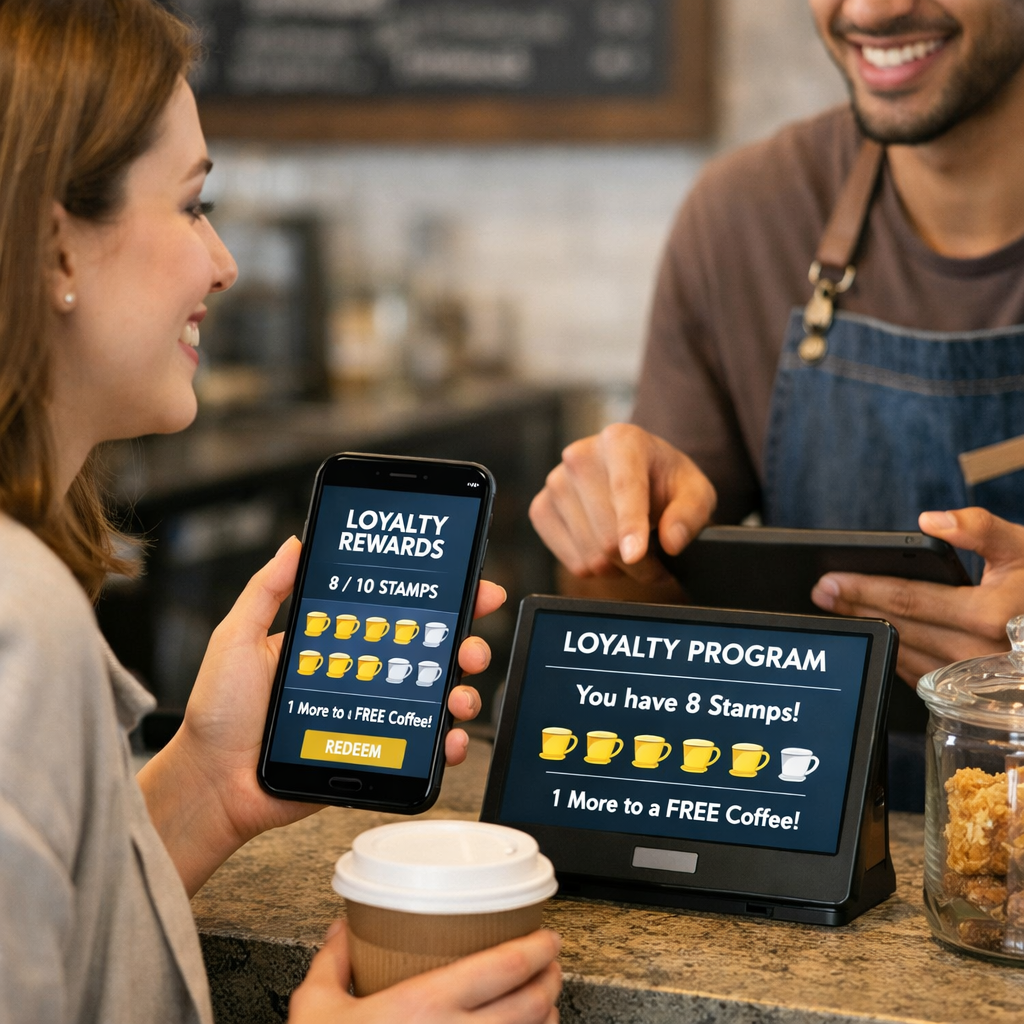
- Setting up customer touchpoints: This includes how customers will interact with the program—whether that’s through phone number lookup, digital cards, or receipts. The goal is to make participation feel effortless during checkout.
- Testing before launch: Before rolling it out, it’s worth running a few test transactions to make sure everything works as expected—earning, redeeming, and tracking.
Using something like DataCandy's loyalty platform helps streamline this entire process, especially if you’re managing multiple locations. Instead of piecing together different tools, you can set up, manage, and track your program from one place—making it easier to launch quickly and run consistently.
Step 4: Train Your Staff to Promote It
Your frontline staff play a critical role in driving loyalty program sign-ups since they’re the ones interacting with customers every day, at the moments that matter most.
When they’re equipped with simple and natural scripts, sign-ups can increase quickly. The key is making it part of your standard checkout flow, so it becomes second nature.
For example:
- “Are you collecting points with us?”
- “Would you like to sign up for our loyalty program? It’s free and only takes a few seconds.”
Short, consistent prompts like these make it easy for staff to ask and easy for customers to say yes.
If you want to go deeper, read our full guide on turning your frontline staff into loyalty ambassadors for detailed tips and examples.
Step 5: Promote It Everywhere Customers Interact With You
Another effective way to increase sign-ups is by promoting your loyalty program across multiple customer touchpoints.
Make sure your program shows up wherever customers interact with your brand, such as:
- Counter signage
- Receipts
- Social media
- Email and SMS (if available)
The goal is repeated exposure. The more often customers see your program, the more familiar it becomes and the more likely they are to join.
If you’re looking for more ideas, read our guide on promoting your restaurant loyalty program.
Common Mistakes Restaurant Owners Make With Loyalty Programs
Even well-intentioned loyalty programs can fall short—not because the idea is wrong, but because of how they’re set up and managed day to day.
If you avoid the mistakes below, you’ll already be ahead of most programs.
Overcomplicating the Program
It’s tempting to build something “creative” with multiple tiers, conditions, or reward types—but complexity is one of the fastest ways to lose engagement.
If a customer has to stop and think about how your program works, or ask staff to explain it more than once, it creates friction. And in a busy restaurant environment, friction kills participation.
What works better is simple and predictable:
- Clear earning rules (e.g., points per dollar or visits per reward)
- Obvious value (customers know what they’re working toward)
- Easy redemption
The best programs are the ones customers understand instantly—and remember without being reminded.
Treating It as a “Set It and Forget It” Tool
Launching a loyalty program is only the starting point. If nothing happens after that, engagement naturally drops off.
Customers need reminders and reasons to come back. Without that, even people who signed up will forget they’re part of the program.
Ways to remind customers include:
- Occasional bonus offers
- Reminders when customers are close to a reward
- Campaigns to bring back lapsed customers
Not Getting Staff Buy-In
Your staff are the main driver of sign-ups and usage. If they’re not actively mentioning the program, growth will be slow no matter how good the setup is.
This usually breaks down in one of two ways:
- Staff forget to ask
- Staff find it awkward or time-consuming to explain
The fix is making it part of the normal flow of service:
- Keep the pitch short and natural (“Are you collecting points with us?”)
- Make sign-up quick and easy
- Ensure staff understand the value so they’re confident mentioning it
When it becomes routine, sign-ups increase without adding pressure.
Offering Weak or Delayed Rewards
If it takes too long to earn something meaningful, customers lose interest before they ever redeem.
A common mistake is setting thresholds too high in an attempt to “protect margins.” In reality, this often reduces participation and limits the program’s impact.
Strong programs strike a balance:
- Rewards feel achievable within a reasonable number of visits
- The value is clear and worthwhile
- Customers get an early win (even a small one)
Early and frequent reinforcement keeps people engaged.
Not Utilizing Customer Data
One of the biggest advantages of a loyalty program is the data it generates—but many restaurants don’t use it.
Over time, your program shows you:
- Who your most valuable customers are
- When people tend to visit
- What offers drive repeat behaviour
Without using this information, you’re missing a major opportunity to improve results.
Even simple adjustments can make a difference:
- Sending offers during slower periods
- Targeting customers who haven’t visited recently
- Rewarding high-value customers differently
The more you pay attention to what the data is telling you, the more effective your program becomes.
FAQ
How much does a loyalty program cost?
Most restaurant loyalty programs are priced as a monthly subscription, with a few upfront and optional costs depending on your setup.
Typically, pricing includes:
- A monthly fee to run the program
- A one-time implementation or setup fee
- Additional costs depending on features, integrations, or scale
For example, DataCandy’s pricing starts at $125/month per location, with a $500 implementation fee. This also includes gift card functionality, which can add additional value beyond loyalty alone.
Does it work with my POS?
Most modern loyalty platforms are designed to work alongside your POS system, rather than replacing it.
The key is choosing one that:
- Doesn’t slow down checkout
- Is easy for staff to use in the middle of a busy shift
- Fits naturally into your existing workflow
This is especially important in a restaurant environment, where even small delays at the counter can impact service and the overall customer experience.
With DataCandy, the platform is built to integrate smoothly with a wide range of POS systems commonly used by Canadian restaurants. That means you can run loyalty and gift cards without disrupting your current setup or retraining your entire team.
Here’s a snapshot of DataCandy’s integrations:
- TouchBistro
- Lightspeed
- Squirrel
- Clover
- And other widely used POS systems
Check out the full list of integrations to see if DataCandy’s the right fit for your business.
How do I get customers to sign up?
Some simple ways to increase your sign-ups include:
- Ask every customer at checkout
- Offer an immediate sign-up incentive (e.g., bonus points or a small reward)
- Promote it across all touchpoints (in-store, receipts, social, email)
The easier it is to join, the faster it grows. Small, consistent actions from your team will outperform any one-time push or promotion.
If you want a more detailed rollout plan, including what to say, when to promote, and how to build momentum early, read our full guide on how to announce a loyalty program and drive sign-ups.
How long does it take to see results?
Most restaurants start to see:
- Increased repeat visits within a few weeks
- Measurable revenue impact within a few months
The biggest factor is how consistently you promote and use the program. The more visible and integrated it is in your day-to-day operations, the faster you’ll see results.
If you want to track progress properly, read our guide on how to measure success in a loyalty program to understand the key metrics to watch and how to improve them over time.
Final Thoughts
For Canadian operators with 1–20 locations, the right program doesn’t need to be complex. It needs to be easy to use, consistent across locations, and built to actively bring customers back.
If you’re evaluating whether this is the right move for your restaurant, the best next step is to see how it would work in your specific setup.
Book a 15-minute demo to see how it fits your operation and what kind of results you can expect.