Last updated: 2026
Did you know that 74% of people regularly buy gift cards from small businesses?
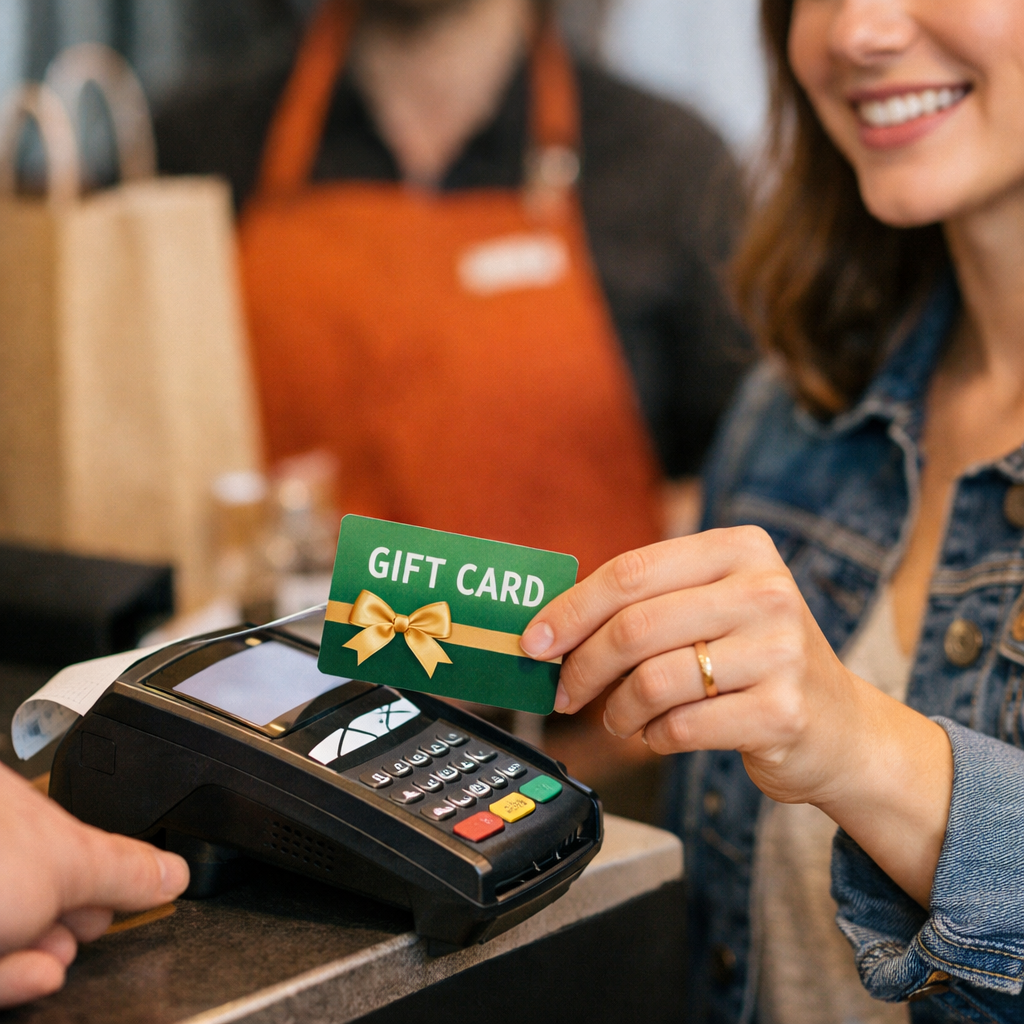
Implementing a gift card program can transform small businesses by boosting upfront cash flow. This is especially true for those in the retail, hospitality, and restaurant sectors. In fact, gift cards rank as the second-most popular gift this holiday season and total spending on gift cards is expected to reach $29 billion this year.
Gift card programs for small businesses can be a remarkable tool for enhancing brand visibility, customer loyalty, and sales. But most merchants hit the same wall: How does this actually work? What does it cost? And what am I really signing up for?
This guide answers those questions clearly so you can make a confident decision.
Gifts Cards 101: What To Know Before You Get Started
Why Gift Cards Are One of the Highest-ROI Tools for Independent Merchants
Gift cards are one of the simplest ways to drive revenue and bring in new customers without adding complexity to your operations.
- Immediate cash flow: When a customer buys a gift card, you receive the revenue upfront before any goods are sold. This gives you more flexibility to manage expenses and reinvest in your business.
- Higher customer spend: Gift card users rarely stop at the exact value. In fact, 61% spend an average of $31.75 more when redeeming. Because gift cards feel like “free money,” customers are more likely to treat themselves and spend beyond the balance.
- Stronger seasonal sales: Gift cards are a go-to purchase for holidays and special occasions with 43% of customers planning on purchasing gift cards during the 2025 holiday season. The average shopper buys multiple cards and spends over $160, making them a reliable way to boost revenue during peak periods.
- New customer acquisition: Most gift cards are redeemed by someone other than the purchaser. That means new customers are discovering your business without additional marketing effort.
- Repeat visits and long-term growth: A positive first experience encourages customers to return and even buy gift cards themselves. Over time, this creates a cycle of new visits, repeat business, and ongoing revenue.
Use our Gift Card ROI Calculator to see how much a gift card program could be worth for your business.
What Does a Gift Card Program Actually Cost? (Setup, Processing, Ongoing Fees)
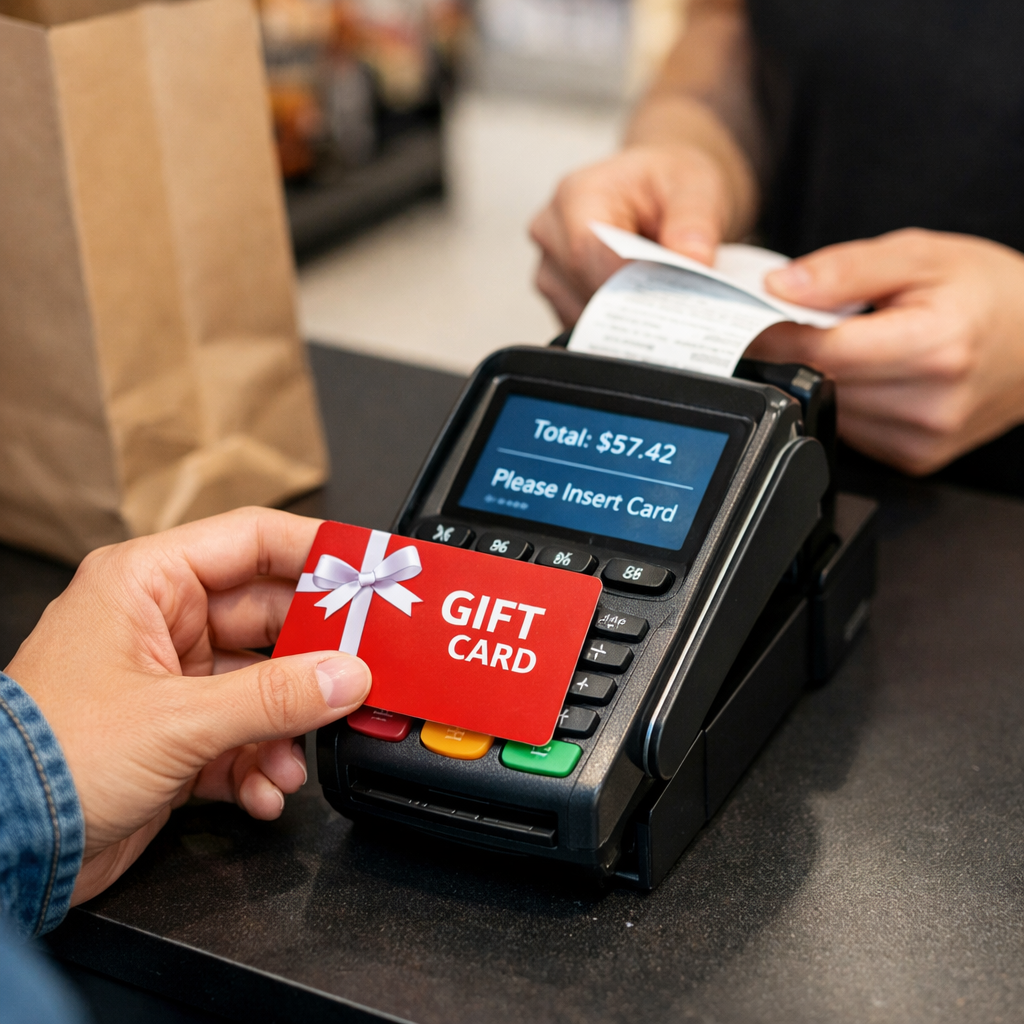
Most program costs include:
-
Set up costs: This is usually a one-time cost that covers initial configuration and onboarding
-
Processing fees: A small percentage of every transaction
-
Ongoing fees: Monthly platform or software costs for reporting, support and system access
For example, DataCandy’s pricing includes a one-time implementation fee of $300, along with a monthly fee of $40 per location. There are no transaction fees, and unlimited transactions are included in the plan.
How Gift Card Processing Works
A gift card program is more than just selling prepaid value—it’s part of your payment flow. Here’s what happens behind the scenes.
When a card is sold:
- The card is activated through your POS or online system
- A balance is created and stored
- The value is tied to that card
When it’s redeemed:
- The system checks the balance in real time
- The purchase amount is deducted
- The remaining balance stays available
This is why POS integration is critical. Without it, you risk slow checkouts, manual errors, and disconnected reporting.
Legal and Regulatory Considerations
If you’re launching a gift card program in Canada, the rules are relatively straightforward and designed to protect consumers while keeping things simple for businesses. Gift cards are regulated at the provincial level, but most provinces follow the same core principles.
For standard retail and restaurant gift cards, here’s what typically applies:
- No expiry dates on regular gift cards
- No activation or usage fees in most cases
- Clear terms and conditions must be disclosed to customers
In short, customers should be able to use the full value of their gift card without unexpected restrictions.
There are some important exceptions to be aware of:
-
Promotional gift cards (e.g., “Buy $100, get $10”) can have expiry dates
-
Service-specific cards (e.g., a manicure or fixed service) may be allowed to expire in certain provinces
-
Replacement fees for lost or stolen cards are typically permitted
-
Custom or specialty cards may include additional fees depending on the provider
Quebec has a few additional requirements that stand out:
-
Balances under $5 must be refunded upon request
-
No expiry dates on most standard gift cards
-
Stricter limitations on fees compared to other provinces
It’s also important to distinguish between the two types of gift cards from a regulatory standpoint:
-
Closed-loop (store-specific) cards: Governed by provincial regulations and used by most restaurants and retailers
-
Open-loop cards (e.g., Visa, Mastercard): Regulated federally and may have different rules around fees and expiry
In practice, compliance comes down to being clear, fair, and transparent. The easiest way to manage this is by using a provider that already aligns with Canadian regulations, so these requirements are built into how your program operates.
Multi-Location Gift Card Programs
If you operate more than one location, your gift card program needs to reflect that.
Customers expect:
- To buy at one location and redeem at another
- Real-time balance updates across stores
- A consistent experience everywhere
Your system should provide:
- Shared balances across all locations
- Centralized reporting
- No manual reconciliation between stores
With DataCandy, gift cards work seamlessly across all your locations, with real-time balance updates and centralized management, so both your team and your customers get a smooth, consistent experience every time.
Physical Gift Cards vs. Digital Gift Cards
Most businesses assume they have to pick one. In reality, the strongest programs use both.
Physical gift cards are still powerful because they’re tangible. They sit in wallets, get handed over in person, and are especially popular during peak seasons like the holidays. For retail counters and restaurants, they’re an easy upsell at checkout.
Digital gift cards solve a different problem: convenience. Customers can buy and send them instantly—no shipping, no in-store visit. They’re especially valuable for last-minute purchases and online ordering.
Here’s the practical breakdown:
- Physical cards drive in-store visibility and impulse purchases
- Digital cards capture online demand and after-hours sales
- Together, they remove friction from every buying scenario
If you’re choosing only one, you’re leaving revenue on the table. A modern gift card program should support both seamlessly.
Choosing a Gift Card Program
When choosing a gift card program, you need to consider whether it fits your point of sale (POS) requirements. Your chosen program needs to integrate with your existing systems smoothly.
This prevents disruptions, maintains data accuracy, and streamlines your operations.
Tech Factors to Consider
Your gift card program needs to seamlessly integrate with your existing technology to truly succeed.
Consider these key elements:
- Your current POS system: Compatibility with your existing POS ensures seamless gift card sales and redemptions, along with accurate, real-time data synchronization. Be sure to factor in any potential setup or integration costs, and check with your POS provider for recommendations. You can also review DataCandy’s integration partners to confirm it’s the right fit for your setup.
- E-commerce platform (if applicable): If you have an e-commerce presence, there’s no choice but to have a unified online and in-store gift card experience. Ensure your chosen G&L program integrates with your online store and allows online purchases and redemptions.
- Inventory management systems: Ideally, your gift card system should link to your inventory tracking. This helps manage stock levels and prevents accidental overselling of gift cards if inventory is low.
- CRM and marketing tools: Look for a G&L program that captures customer data (with consent) from gift card transactions. This data can then be integrated with your CRM system, enabling targeted marketing campaigns and personalized promotions based on gift card usage patterns.
Gift and Loyalty Program Features To Consider
Beyond compatibility, consider features offered by the gift card program itself to optimize its functionality for your business.
Look for:
- Reporting and analytics: Choose a program that provides embedded analytics and robust reporting on gift card sales, redemptions, outstanding balances, and other relevant metrics––essential for making informed business decisions.
- Customization: Does the program allow you to brand your gift cards and create customized loyalty programs that align with your business identity?
- Scalability: Assess whether the program can grow alongside your business, handling increased volume and offering additional features if needed.
Third Party Capabilities
While your core systems are covered, third-party services can extend the capabilities of your gift card program. Verify if additional services (accounting software, email marketing platforms, etc) can integrate smoothly with both your POS system and your chosen gift card and loyalty program.
How to Set Up and Run Your Gift Card Program
Designing Your Gift Cards
Your gift card design should feel like a natural extension of your brand. Whether physical or digital, it’s often the first impression someone has of your business—so it needs to look intentional, polished, and recognizable.
A strong design reinforces your brand identity. Incorporate your colours, logo, and typography to create consistency across every customer touchpoint. For physical cards, even details like material and finish can elevate the perceived value and make the card feel more premium.
With a platform like DataCandy, this process is streamlined. You can customize your gift cards to match your branding, using your colours, logo, and visual style across both physical and digital formats. Instead of working from a generic template, your cards feel like a true extension of your business.
Digital gift cards add another layer of flexibility. You can design for different occasions (such as holidays, promotions, or special campaigns), while keeping everything on-brand. This makes it easy to refresh your look throughout the year without starting from scratch.
When designing your gift cards, focus on:
-
Brand consistency: Use your colours, logo, and typography
-
Visual appeal: Make the card feel premium and gift-worthy
-
Clarity: Ensure key details like value and redemption terms are easy to read
-
Flexibility: Create variations for seasons, holidays, or promotions
-
Customer experience: Design something that feels thoughtful and memorable
Most providers, including DataCandy, will handle production and formatting requirements, so you don’t need to worry about technical specifications. You can either upload your own designs or work from pre-built templates and customize them to fit your brand.
The goal is simple: create something that looks good enough to give and memorable enough to bring customers back.
Marketing and Promoting Your Gift Card Program
To market your gift card program, promote it in stores, online, and on social media.
At physical locations, use eye-catching displays at checkout areas to prompt impulse purchases. . Online, display gift cards prominently on your website's homepage and product pages to boost sales and customer satisfaction. Additionally, integrate gift card purchase options into your online checkout flow.
Use email to tell subscribers about your gift card program and craft engaging content around it on social media. This could include contests or exclusive discounts for followers who engage.
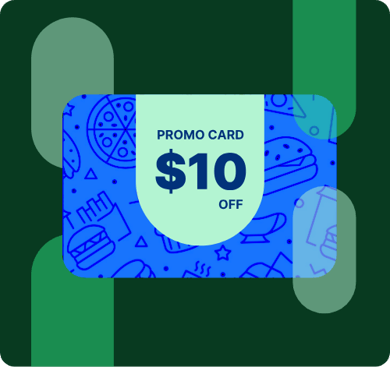
Another dimension you can add to your marketing is promo cards. These are often offered as a limited-time or exclusive bonus to incentivize larger purchases or reward loyal customers. They can be pre-loaded with balances and expiration dates tailored to your specifications.
For instance, consider offering a complimentary promo card with a minimum purchase amount, or provide special promo cards during holiday seasons.
Whatever the platform, make sure to highlight the benefits of your gift cards, like convenience and flexibility.
You can also consider paid ads to target key customers and boost the overall visibility of your gift card program. Usually, these might take the form of social media ads or search engine marketing (SEM)––both of these options allow for sharp targeting, whether based on demographics and interest groups or searches for related terms like “coffee shop gift cards”.
Combining Gift Cards With a Loyalty Program: Why the Bundle Wins
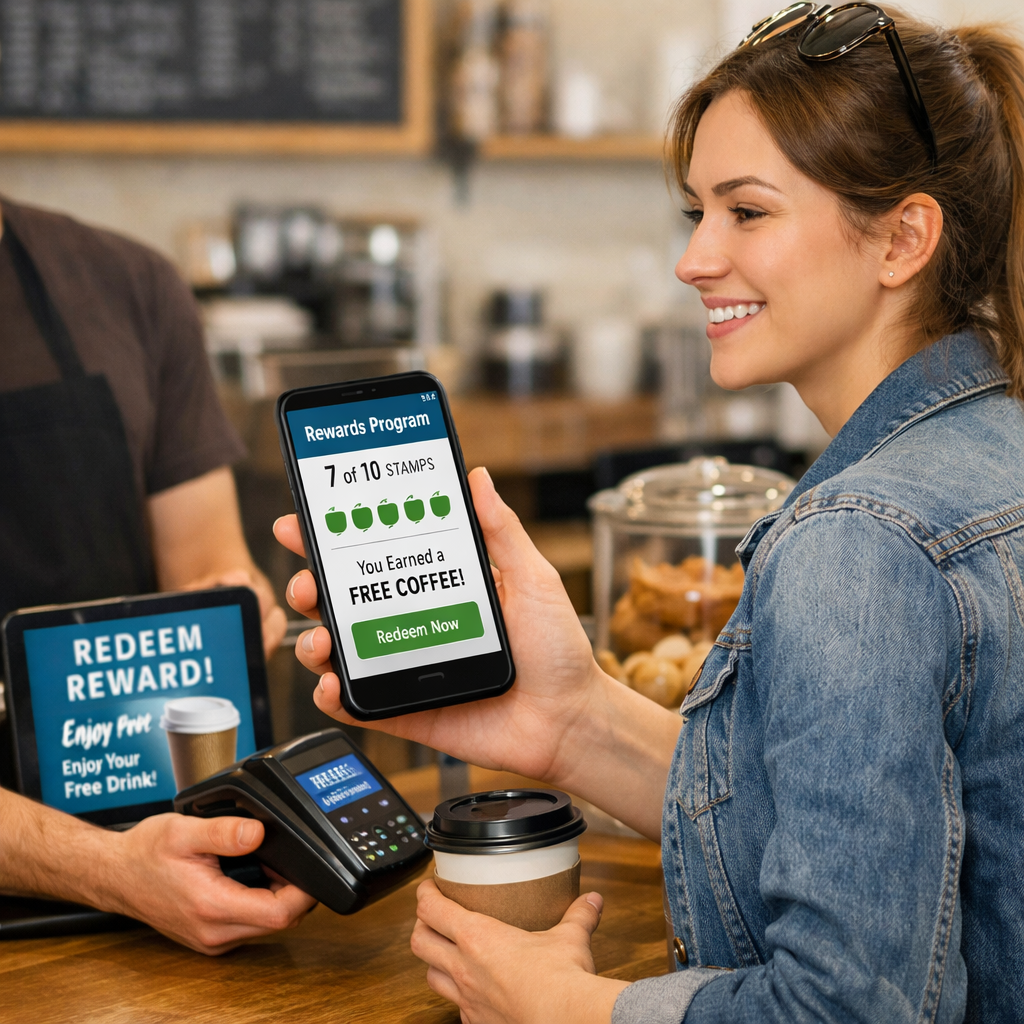
On their own, gift cards and loyalty programs are both effective. But when they’re connected, they reinforce each other in a way that drives more revenue over time.
A gift card is often the first interaction someone has with your business, especially if it’s given as a gift. That visit is your opportunity to turn a one-time customer into a repeat one. Without a loyalty program, that opportunity is easy to miss.
When the two are combined, the experience becomes more intentional:
- A customer redeems a gift card
- They’re prompted to join your loyalty program (or automatically enrolled)
- They earn points or rewards on that first visit
- They now have a reason to come back
This changes the role of a gift card. Instead of being a one-time transaction, it becomes the starting point of an ongoing relationship.
There’s also a measurable impact on spend and retention. Customers who are earning rewards are more likely to:
- Spend beyond the gift card value
- Return sooner for another visit
- Stay engaged with your brand through offers and promotions
From an operational standpoint, combining both programs also gives you better visibility. With a loyalty program, you’re understanding who is redeeming gift cards, how often they return, and what drives their behaviour.
In short, gift cards bring customers in, but loyalty programs give them a reason to stay. When they work together, you’re building repeat business and increasing your customer lifetime value.
Learn how combining gift cards with a loyalty program can turn one-time visits into repeat customers and long-term revenue.
How DataCandy's Gift Card Program Works for Canadian Restaurants and Retailers
At a high level, DataCandy is built to do one thing well: make gift cards and loyalty programs easy to run, while actually driving measurable results. But what does that look like in practice?
The best way to understand it is through how real Canadian businesses are using it day to day.
Nonnina: Turning Gift Cards Into a Growth Channel
For a small café like Nonnina, the goal wasn’t just to “offer gift cards”—it was to grow their customer base without slowing down operations.
By integrating DataCandy directly into their POS, they were able to:
-
Sell and redeem gift cards seamlessly at checkout
-
Let customers send digital cards instantly
-
Track performance in real time
The impact was tangible:
-
Over $20,000 in gift card sales in under two years
-
A 68% redemption rate, driving repeat visits
-
Higher-than-average spend per visit (~$18 per redemption)
What’s important here isn’t just the numbers—it’s what they represent. Gift cards became:
-
A new revenue stream
-
A customer acquisition tool (bringing in new visitors)
-
A retention driver through repeat redemptions
Read the full case study to learn how Nonnina used DataCandy’s gift card program to drive revenue and expand their business.
Edo Japan: Scaling Across Locations Without Adding Complexity
For larger, multi-location brands like Edo Japan, the challenge is different.
Their previous setup made gift card transactions slow and operationally painful—especially during busy service periods. Staff had to switch terminals in and out of standalone mode just to process a single card.
After switching to DataCandy:
- Gift cards could be swiped or scanned instantly
- Transactions became faster and smoother at peak times
- Franchisees no longer had to deal with clunky workflows
Just as importantly, it unlocked new opportunities:
- Launching digital gift cards through their mobile app
- Expanding how and where gift cards are sold
For multi-location businesses, this is the real value: a system that scales cleanly across locations without slowing operations down.
Pandora Masonville: Improving Reliability and Checkout Experience
For Pandora Masonville, the challenge wasn’t demand—it was infrastructure. Ongoing connectivity issues and unreliable payment terminals were slowing down transactions and creating risk around security and lost revenue.
With DataCandy, they were able to stabilize and streamline operations:
- Improved payment reliability: Reduced connectivity issues that were disrupting transactions
- Enhanced security: Lowered risk around payment processing and data handling
- Faster checkout experience: Introduced countertop and wireless POS solutions to reduce wait times
- Ongoing support: Access to dedicated technical support to resolve issues quickly
The result was a smoother, more dependable customer experience—especially during busy periods when speed and reliability matter most.
ZIBO! Restaurant-Bars: Expanding Revenue Channels with Gift Cards
ZIBO! Restaurant-Bar approached gift cards as more than just a feature—they used them to expand how and where they generate revenue.
They started with a simple rollout and scaled over time:
- Launched physical gift cards to establish an in-store offering
- Expanded to digital gift cards to capture online demand
- Introduced bulk corporate orders to tap into B2B sales
- Enabled high-volume activation to support large-scale distribution
This flexibility led to strong results:
- Up to 50% of gift card sales coming from corporate (B2B) orders
- Over 80% of gift card sales happening online in some periods
- Increased customer acquisition and overall sales
By offering multiple formats and purchase options, ZIBO! was able to reach different customer segments and unlock new revenue streams. The more ways customers can buy and use your gift cards, the more opportunities you create for growth.
Mission Thrift Store: Unifying Data, Customers, and Community
For multi-location organizations like Mission Thrift Store, the challenge was coordination across dozens of locations.
Before implementing DataCandy, stores operated independently, making it difficult to:
- Track customer behaviour
- Run consistent campaigns
- Measure performance
With DataCandy:
- Customer data is centralized across 50+ locations
- Campaigns can be targeted and personalized
- Promotions can be rolled out across the entire network
The result was stronger engagement and measurable impact—like campaigns that increased member sales by 10% above average.
What This Means for Your Business
Across all these examples, the pattern is consistent:
-
Gift cards aren’t just a payment method, they’re a customer acquisition tool
-
Integration with POS systems keeps operations fast and simple
-
Combining gift cards with loyalty creates repeatable revenue loops
-
Centralized data gives you visibility and control as you grow
Whether you’re a single-location café or a national chain, the goal is the same: Make it easy for customers to buy, redeem, and come back again. That’s ultimately what a well-built gift card program should do—and what DataCandy is designed to deliver.
FAQs
Can I use gift cards across my locations?
Yes, if your gift card system supports multi-location functionality. This allows customers to buy a card at one location and redeem it at any of your stores, with balances updated in real time. It also gives you centralized reporting across all locations, so you’re not managing each store separately.
What POS do you integrate with?
Most modern gift card platforms integrate directly with leading restaurant and retail POS systems. This ensures gift cards can be sold, activated, and redeemed seamlessly at checkout without slowing down operations. It’s important to confirm compatibility with your specific POS early, since integration directly impacts speed, accuracy, and reporting.
Can I do both physical and digital gift cards?
Yes and it’s often best practice. Offering both physical and digital gift cards ensures you capture in-store purchases as well as online and last-minute demand. A unified system allows you to manage both formats in one place, keeping the experience consistent for both staff and customers.
Conclusion
When set up properly, gift cards become more than just a convenient product. They generate immediate cash flow, bring new customers through your doors, and create opportunities for repeat business. And when paired with loyalty, they turn one-time visits into long-term relationships.
The key is choosing a system that fits how your business already operates. Seamless POS integration, support for both physical and digital cards, and the ability to scale across locations all play a role in making your program successful.
If you’ve made it this far, you likely already see the value. The next step is simple: find a solution that removes the complexity and helps you put a program in place that actually drives results.
Book a quick demo to explore how DataCandy could fit into your setup and start driving revenue faster.