Here's the conventional wisdom on Gen Z and brand loyalty: they're fickle, distracted, and will abandon you the moment a competitor posts the right TikTok. They've been called the "switching generation." The "deal generation." The death of brand loyalty as we knew it.
Here’s what the data actually shows: 48% of Gen Z consumers already participate in their favorite brand’s loyalty program. According to a consumer loyalty survey, three-quarters of Gen Z consumers say a high-quality digital experience is essential to their loyalty program, and 72% of consumers overall say loyalty programs make them more likely to spend with a brand, and Gen Z leads every other generation in willingness to act on that.
That's not a generation that doesn't do loyalty, it’s a generation that's very selective about where they give it.
The opportunity for independent retailers, restaurants, and service businesses is real, but so is the gap between what Gen Z wants from a loyalty program and what most operators are currently offering them. Most loyalty programs weren’t built with Gen Z in mind, and it shows. Understanding the gap is the first step to closing it.
Who Actually Is Gen Z?
Gen Z refers to people born roughly between 1997 and 2012, which means the oldest members of this cohort are in their late twenties, deep into careers and disposable income. This isn't a generation to plan for anymore. They're already walking through your doors.
Their spending power is substantial and growing fast. Gen Z currently commands more than 50 billion in annual spending power in the US alone, and that number is expected to grow to 2 trillion globally by 2030. By that point, they’re projected to account for nearly 20% of all global consumer spending. In practical terms, if you run a business in any mid-to-large market, Gen Z is already a meaningful share of your weekly customers, whether they’re dining with you, shopping your floor, or booking your services.

And yet the loyalty conversation still often treats them as a future problem to solve, a group to start thinking about once they "grow up" and settle into spending habits. That ship has sailed and the habits are already forming, so the question is whether your program is part of them.
The Misread: "They Don't Do Loyalty"
The "least loyal generation" narrative gets repeated so often it has started to feel like fact. But it's worth looking at what it's actually describing.
Gen Z switches brands more than older consumers, yes. About 32% have abandoned at least one brand in the past year, more than any other generation. But the reason they leave is rarely brand apathy, as two-thirds cite high prices as the top driver. The rest point to poor experiences, irrelevant communication, or programs that don't reflect what they actually want.
This is a generation that grew up watching brands overpromise and underdeliver. They're skeptical by default, but when a brand earns their trust the payoff is significant: more than half of Gen Z say they would spend more with a brand that offers a personalized experience, a higher rate than Gen X or boomers by a wide margin.
The misread is treating Gen Z skepticism as indifference. It actually isn’t indifference, it's a higher bar, and if you clear it you've got a guest who comes back, refers friends, and posts about your business without being asked. Speaking of guests who post without being asked, if you're interested we wrote a blog about how your most loyal customers are already your best marketers, and how a loyalty program turns that into a system.
What Gen Z Actually Wants From a Loyalty Program
Speed and Tangibility Over Accumulation
Gen Z didn't grow up clipping coupons or waiting 30 purchases to earn something meaningful. They grew up with Amazon Prime and Uber Eats, platforms where the value exchange is immediate and obvious. They apply the same expectation to loyalty programs.
Programs that require a long climb to the first reward bleed Gen Z members early. What works is a fast, visible payoff. According to a consumer loyalty survey, 60% of consumers aged 18–24 prefer points-based programs with quick, tangible redemption, and 20% say they would stop shopping with a brand altogether if those programs were removed. The first reward needs to feel close, not theoretical.
Convenience At the Point of Experience
Gen Z grew up with frictionless digital experiences, and they expect loyalty to work the same way. 71% of Gen Z consumers go mobile-first for shopping, and that preference extends directly to how they want to engage with loyalty programs. They’re not looking for a separate card to carry or a manual process to manage at checkout.
For example, over 87% of Gen Z and millennial diners say they're interested in using a white-label restaurant app, according to a Toast survey, and that preference isn't just about novelty. It reflects a generation that evaluates loyalty programs partly on how seamlessly they fit into how they already order and pay.

The implication is that Gen Z doesn't think of loyalty purely as a rewards mechanism. They think of it as part of the overall convenience of the experience. If your program is an additional thing they have to manage (a separate card or an extra step at checkout), it creates friction they won't tolerate. If it’s embedded into how they already pay and interact with your brand, it becomes part of why they return.
Exclusivity and Early Access
Not every Gen Z customer is motivated purely by discounts. A meaningful slice of this cohort wants to be in on something before everyone else: early access to a new product, a first look at an upcoming collection or seasonal special, or an invite to a members-only event. This matters more to Gen Z than to older generations, and it shows up consistently across research on what makes younger consumers feel connected to a brand.
Not every Gen Z diner is motivated purely by discounts. A meaningful slice of this cohort wants to be in on something before everyone else like early access to a new product, a first look at a seasonal special, or an invite to a soft launch. This matters more to Gen Z than to older generations, and it shows up consistently across research on what makes younger consumers feel connected to a brand.
For independent businesses, this is actually an advantage over chains. A local retailer or restaurant that gives loyalty members early access to new arrivals, or a behind-the-scenes preview before a launch, can create the kind of exclusive-feeling experience that drives real word of mouth. You don't need a massive marketing budget here, what you need is to make members feel like insiders. One underused way to do exactly that is bonus redemption events. They create urgency, reward your most engaged members, and cost less than a discount campaign.
Personalization That Reflects Their Actual Behaviour
68% of Gen Z shoppers say their purchases reflect their personality, values, and beliefs. They're not only buying a product, they're also expressing something and they expect the brands they return to to pick up on that over time.
Generic programs that treat every customer identically miss this entirely. When a loyalty program shows it's been paying attention (a reward tied to the specific items a guest orders most, a bonus offer timed to when they usually visit), it communicates something that a points total never can: that the restaurant actually knows them.
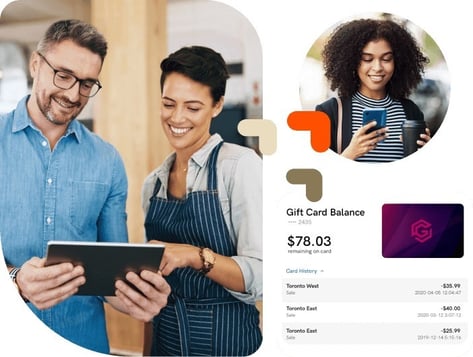
This is where data makes the practical difference, since every transaction a loyalty member completes is a signal. SKU-level data, visit frequency, order timing, average spend, together these crucial data points paint a picture of a guest that allows for outreach that feels relevant rather than automated.
DataCandy Pro captures transaction data and sends targeted offers automatically, so you can skip manual segmentation and generic blasts.
The Channels Gen Z Are Actually Using
A loyalty program is only as effective as the communication strategy around it. For Gen Z, that means meeting them where they already are.
Email still works, but it needs to be earned as Gen Z filters aggressively. Subject lines that feel generic or transactional get ignored. Whereas, messages that are timely, relevant, and clearly connected to something the guest actually did ("you're close to your next reward," "your birthday offer is live") get opened.
SMS performs well for time-sensitive offers because Gen Z treats text as an immediate channel. Promotions, flash offers, and event reminders all make sense here. Longer brand storytelling does not.
Social media is where Gen Z discovers brands, not where they manage loyalty. The 24% who actively engage with their favourite restaurants via social media are influencing their networks, which makes social presence valuable for acquisition. But the loyalty relationship itself needs to live somewhere more direct.

Perhaps the most consistent finding across recent research is that 74% of Gen Z are more likely to be loyal to a brand that has a mobile app. This is 17.5% higher than the average across all generations. For independent operators without the budget for a dedicated app, the practical path is a digital loyalty program that works cleanly through a guest's phone, without a paper card, counter-top signup friction, or a separate app.
The Trap: Competing on Discounts Alone
This is the version of Gen Z loyalty strategy that backfires. Discount-only programs attract Gen Z for one visit and then create an expectation of perpetual discounts that erodes margin and trains guests to wait for deals before coming in.
Gen Z is value-driven, but value and discounts are not the same thing. Value includes experience, speed, belonging, and feeling recognized. Businesses that lead only with "join to save" attract the most price-sensitive subset of Gen Z who will switch the moment a competitor offers a better deal.
The programs that hold Gen Z long-term compete on something harder to replicate including: relevance, convenience, and the feeling of being known. Those things are built through data and consistency, not through how deep you're willing to cut your margins.
Read our blog to see what causes disengagement and what to fix before it costs you.

What This Looks Like in Practice
The businesses winning Gen Z loyalty in 2026 aren’t necessarily doing anything technically complex.
They’ve built programs that are:
- Fast to reward: The first payoff comes within the first few visits, not after the tenth. Members can see their progress and feel it moving.
- Seamlessly digital: Enrollment and redemption happen through channels Gen Z already uses. There's no physical card, no manual process, nothing that requires extra effort at the point of sale.

- Built on actual purchase data: Outreach and rewards are personalized to what each guest buys and how often they visit, not sent uniformly to the entire member list.
- Occasionally exclusive: Not every communication is a discount. Members sometimes get early access, a first look, or a behind-the-scenes offer that makes them feel they're in an inner circle.
- Consistent without being relentless: Gen Z tunes out over-communication quickly. The programs that retain their engagement send fewer, better messages rather than filling inboxes to stay top of mind.
None of this requires a chain's technology budget. What it requires is a program platform that captures the right data, automates the right outreach, and makes it easy for operators to act on what they're seeing.
Conclusion: The Bigger Picture
Gen Z’s spending power is on track to reach $12 trillion globally by 2030. They’re not a generation to win eventually. They’re a generation that businesses need to be building for now, because the habits they’re forming in their twenties will drive their purchase decisions for decades.
The oldest members of Gen Z are 28 years old today. In ten years, they’ll be the core consumer demographic across retail, foodservice, and beyond, with a decade of ingrained habits, higher salaries, and a roster of brands they’ve already decided they trust.
The operators who figure this out early (who understand that Gen Z loyalty is real, just earned differently) are the ones who will have a built-in customer base as this generation’s spending power compounds. Every Gen Z member who joins a loyalty program, gets a fast reward, feels recognized, and comes back is one more regular who arrived before the competition figured out what they wanted.
The reputation for being disloyal is a misdiagnosis. What Gen Z is actually doing is holding brands to a higher standard, and being completely transparent about what that standard looks like. The programs that meet their expectations don't just win a transaction, they win a customer who's still choosing you ten years from now.
Capture purchase data, automate personalization, and turn first-time visitors into regulars.
.jpg)