2026 is making one thing painfully clear: generic email is dead.
Customers expect relevance, timing, and value, while inboxes (and spam filters) are getting less forgiving.
The good news: loyalty and gift card businesses have an advantage most marketers don’t—first-party data. If you’re using DataCandy, you already have the behavioural signals that make modern email work: visit frequency, spend patterns, redemption behaviour, and product preferences.
Here are the email trends that will matter most in 2026, and how to apply them with a loyalty-first approach.
1) Loyalty-Driven Segmentation Becomes the Baseline
In 2026, “batch and blast” campaigns will keep losing ground to segmentation that’s tied to real customer behaviour, not demographics.
DataCandy’s recent guidance is clear: start segmenting using the data you already have (frequency, average spend, redemptions, engagement history, and even product-level insights if you run SKU-based loyalty).
What to do now
- Build 4–6 practical segments (New, VIP, Lapsed, Promo-only, Frequent redeemers, High spend/low redemption).
- Write emails that match the customer’s stage (onboarding vs win-back vs VIP access), not just your calendar.
2) Lifecycle Automation Replaces “Campaign-Only” Email
In 2026, the biggest wins won’t come from more promos, they’ll come from always-on, triggered messaging that hits at the right moment.
DataCandy’s “Lights Out” approach is built for this: automated workflows like welcome offers, birthday rewards, win-back campaigns, and reminders run in the background once set up.
What to do now
- Treat lifecycle flows as your “base revenue layer,” and seasonal promos as the extra.
- Prioritize: Welcome → Birthday → Win-back (those three cover most of your missed revenue).
3) Birthday Email Becomes the Highest-ROI “Automation Staple”
In 2026, brands are leaning harder on lifecycle moments that feel personal (and don’t rely on constant discounting). Birthday campaigns keep trending upward because they combine three things inboxes reward: relevance, timing, and a clear reason to act.
DataCandy’s birthday reward research reinforces why these campaigns can lift engagement, transactions, and customer lifetime value.
What to do now
- Make the birthday message feel like a perk, not a coupon.
- Include a short expiry window to drive a visit (without sounding pushy).
4) Email + SMS Orchestration Becomes the Default Playbook
Email still drives depth (story, offers, content). SMS wins on immediacy. In 2026, brands that coordinate both will outpace brands that treat channels separately.
DataCandy’s holiday SMS playbook frames it as the perfect companion to loyalty and gift cards, especially when timing and relevance matter.
What to do now
- Use email to announce the offer or benefit.
- Use SMS as the nudge: last day, low stock, “you’re close to a reward,” or quick redemption reminders.
5) “Personalization” Shifts from Names to Product-Level Relevance
In 2026, personalization isn’t “Hi Sarah.” It’s: the right offer, for the right product/category, for the right customer.
And when it comes to promotions, DataCandy’s Black Friday SKU-based loyalty example shows where email is heading: precision over blanket discounts, nudging bigger baskets while protecting margin.
What to do now
- Replace “20% off storewide” with “bonus points on the category they buy.”
- Use bundles and “add one more item” mechanics to grow basket size without racing to the bottom.
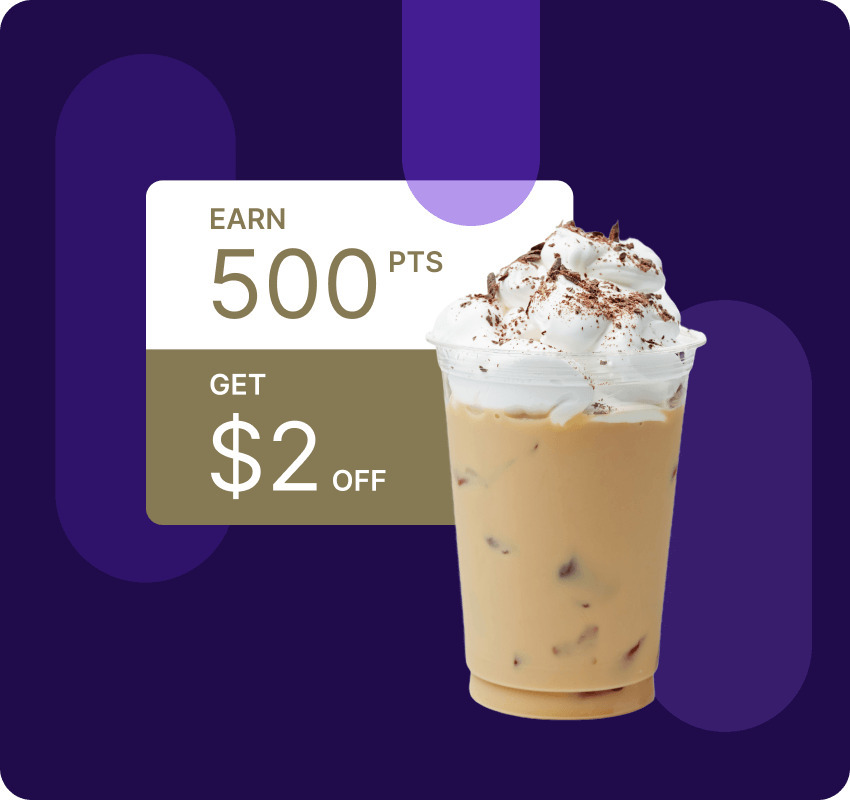
Tie incentives to specific products or categories to grow basket size, move targeted inventory, and protect margin, while keeping emails truly relevant.
6) Inbox Trust Gets Stricter, so “Value Density” Matters More
In 2026, deliverability and engagement are tied tightly to whether customers consistently interact with your emails. That pushes a simple rule to the front: every send must earn its place.
What to do now
- Send fewer “filler” emails; focus on triggered moments + segmented value.
- Build a preference approach (let customers choose what they hear about), then honor it with better targeting using loyalty data.
7) Measurement Shifts from Opens/Clicks to Loyalty Outcomes
With inbox changes and privacy shifts, smart teams are leaning less on vanity metrics and more on what email causes customers to do.
DataCandy’s analytics guide pushes exactly this: define KPIs like active participation, redemption rate, visit frequency, and spend lift, then segment and optimize from there.
What to do now
- Track “Who came back?” and “Who redeemed?” by segment
- A/B test one variable at a time (offer type, timing, email vs SMS)
A Simple 2026 Action Plan
If you do nothing else, do these three things:
- Build 4–6 loyalty segments and stop blasting everyone
- Turn on 3 Lights Out automations: Welcome, Birthday, Win-back
- Pair email with SMS nudges for the moments that need urgency
Conclusion
Email marketing in 2026 is less about “more campaigns” and more about better systems: segmented messaging, lifecycle automation, product-level relevance, and measurement tied to repeat behavior.
If your loyalty program is already collecting the data customers care about, you’re not behind, you’re positioned. The brands that win in 2026 will be the ones that turn loyalty insights into timely, personal communication that feels helpful (not noisy) and drives customers back—again and again.
Once you’ve segmented smarter, automated promotions, and added SMS nudges, use our guide to pick the best-fit loyalty features for your business for a sweeter 2026.