Gift cards and loyalty programs are two of the most dependable levers for repeat revenue, yet they’re also two of the most misunderstood. A few common myths keep businesses stuck in “holiday-only” gift cards, discount-heavy loyalty, or programs that feel impossible to manage.
Let’s clear the noise. Here are the biggest myths, and what a modern DataCandy-style approach actually looks like in practice.
Myth 1: “Gift Cards are Only for the Holidays”
Reality: Holiday season creates a spike, but it’s not the whole story. Mastercard’s MEI data shows that nearly a third of gift card spending happens in December and January, which means the majority still happens outside that window. Gift cards work year-round because they solve real customer moments: last-minute gifting, “thank you” gestures, employee rewards, client appreciation, customer recovery, and even corporate purchasing.
What this looks like in DataCandy: Treat gift cards like an always-on product line, not a seasonal campaign. Build a simple playbook around year-round use cases:
- Corporate gifting packages (bulk buys, client appreciation)
- Customer recovery cards (service miss → save the relationship)
- Referral / thank-you moments (reward without discounting your core offering)
- Digital-first delivery so it’s easy to buy and send anytime
When gift cards are visible at checkout, on receipts, and in post-purchase messaging, you turn them into a steady acquisition and cash-flow engine, not just in December.
If you want a practical example of turning gift card redemptions into repeat visits, see turning gift card recipients into loyal customers.
Myth 2: “Loyalty is Just Points”
Reality: Points are one loyalty format, but they are not the definition of loyalty. The strongest programs use loyalty mechanics to shape behaviour: more visits, higher baskets, category adoption, slower-day traffic, or reactivation.
That’s not just theory. Bond’s Loyalty Report executive summary shows 85% of members say programs make them more likely to continue doing business with brands, and 73% say they modify how much they spend to maximize benefits.
What this looks like in DataCandy: Instead of running one generic “points for dollars” program forever, layer loyalty with purpose:
- Keep points as the foundation if you want simplicity
- Add product/SKU-based rewards when you want to move specific items or categories
- Use targeted offers for different customer segments (new, regulars, VIPs, lapsed)
- Sprinkle in gamified challenges (limited-time boosts, milestones, streaks) to drive engagement
Loyalty becomes less “a points bank” and more “a repeat-purchase strategy.” For more on this, check out our blog on loyalty feature types and when to use them.
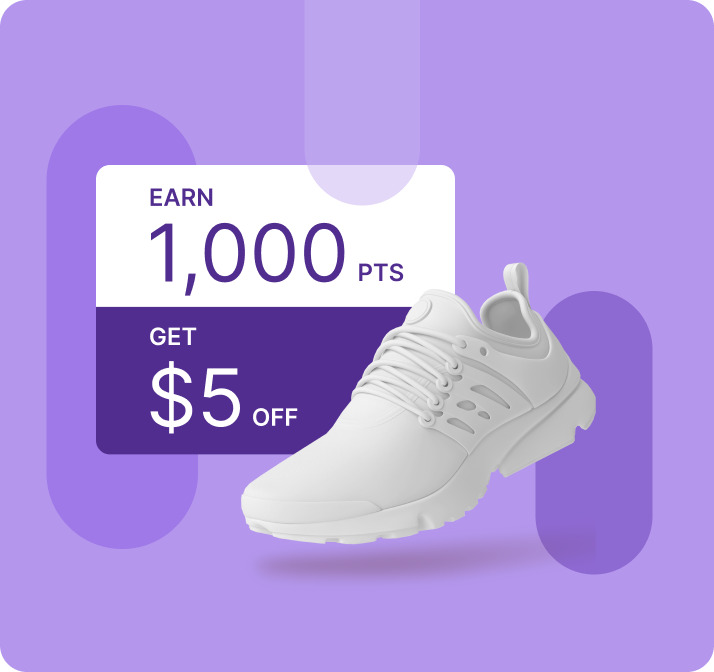
Use the right loyalty features (SKU rewards, tiers, punch cards) to drive the outcomes you want.
Myth 3: “Loyalty Only Works if You Give Big Discounts”
Reality: Big discounts can create short-term spikes, but they also train customers to wait for deals. Loyalty works best when it feels valuable and personal, not when it’s just cheaper.
Bond data also shows 79% of members are more likely to recommend brands with good loyalty programs. That’s advocacy and preference, not bargain-hunting.
What this looks like in DataCandy: Shift from blanket discounts to relevant perks that feel earned:
- Bonus points on high-margin items instead of discounting them
- Time-based offers (birthday, anniversary, “we miss you”)
- Tier benefits (early access, exclusive products, members-only bundles)
- Spend-and-save smarter (reward frequency and engagement, not just spend)
Birthday freebies aren’t just a nice touch, they can actually generate more revenue, and operationalizing it with automated messages takes the manual effort out of the entire process.
Find out more in our guide on how birthday offers boost member engagement and repeat visits, without training customers to wait for discounts.

Myth 4: “Gift Cards Don’t Get Used, so They Don’t Matter”
Reality: Unused balances don’t mean gift cards “don’t work.” If anything, they prove gift cards do matter, because an unredeemed balance is still revenue: you’ve already captured cash up front, improved cash flow, and secured a customer relationship you can reactivate. The real missed opportunity isn’t the sale, it’s the second visit you didn’t trigger.
A Bankrate survey reported by AP found 47% of adults had at least one unspent gift card or voucher, averaging $187, roughly $23B in unused value. That’s exactly why your redemption experience and reminders matter. In many categories, a large share of cards are redeemed quickly, but the rest needs support through visibility and follow-up.
What this looks like in DataCandy: Make redemption easy and intentional:
- Prioritize digital gift cards so they don’t disappear in a drawer
- Place reminders where they matter: receipts, email/SMS campaigns, in-store signage
- Encourage redemption with member-only boosts (“Use your gift card this week and earn bonus points”)
- Use reporting to spot patterns, then fix friction (where redemption drops off, which channels perform, what timing converts)
The goal isn’t just selling gift cards, it’s getting that first visit and then turning it into a repeat habit.
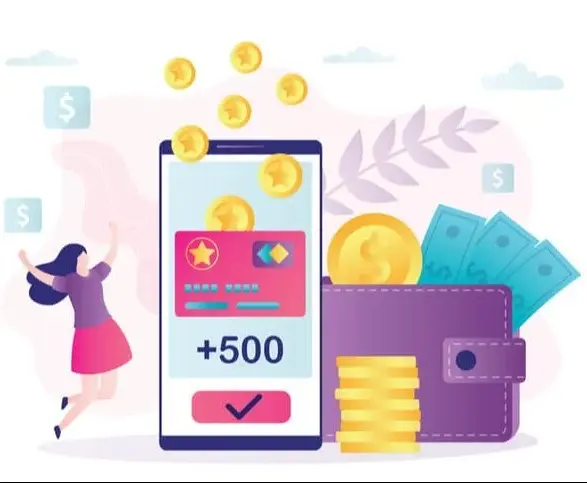
If members aren’t redeeming points, engagement is leaking. Use these 6 tactics to fix it.
Myth 5: “Referrals are Separate from Loyalty”
Reality: Referrals are loyalty in motion. Your happiest customers are your most credible marketing channel, especially when you reward them in a way that reinforces repeat purchasing. Nielsen reports that 88% of global respondents trust recommendations from people they know more than any other channel, which is exactly why referrals are not a separate tactic from loyalty; they’re loyalty in action.
This is where the “loop” matters. A referral program isn’t just acquisition. When it’s connected to loyalty, it becomes: invite → visit → earn → return. That keeps both the referrer and the friend engaged beyond the first transaction.
What this looks like in DataCandy: Tie referrals into your loyalty engine:
- Reward the referrer with points (or a loyalty perk)
- Reward the new customer with a welcome incentive that brings them back (not a one-time discount that disappears after the first purchase)
- Use referral-triggered rewards to build a loop: invite → visit → earn → return
Instead of paying for ads to find strangers, you make it easy for your best customers to introduce you to their friends, and you reward them in a way that brings both people back again.
Want the exact playbook? Read how to turn customers into brand advocates with refer-a-friend loyalty.
Myth 6: “Loyalty is Too Complicated for Small Teams”
Reality: Loyalty only feels complicated when it’s manual, messy, and constantly needs attention. A good program is simple to run and consistent for customers.
Instead of launching a “perfect” program with too many rules, it’s often better to launch a simple program that runs smoothly, then expand once it’s working.
What this looks like in DataCandy: Start with a clean foundation and expand only once it’s working:
- Pick one core earning rule (keep it obvious like: “Earn 1 point per $1 spent (in-store and online).”
- Offer one simple redemption path (keep it achievable: ex: “Redeem 100 points for $5 off at checkout”)
- Add one automated offer (birthday or lapsed-customer nudge: ex: “Happy Birthday! Enjoy 2x points this week!”)
That’s it. Once you’ve got momentum, then layer in segments, product-based rewards, or seasonal boosts. A program that runs smoothly beats a “perfect” program nobody maintains.
Myth 7: “You Can’t Measure ROI, so Loyalty is Basically a Guess”
Reality: You can measure loyalty if you track the right things. Enrollment isn’t success. Outcomes are.
The best programs treat loyalty and gift cards like a system that can be improved, not a one-time marketing initiative. That’s where analytics turns “we think it’s working” into “we can prove what’s working, and scale it.”
What this looks like in DataCandy: Measure performance through business metrics that actually matter:
- Repeat rate and visit frequency (before vs after)
- Average order value / basket lift for members
- Redemption rate (are rewards motivating behaviour?)
- Reactivation rate (lapsed customers returning)
- Gift card sales and redemption cycles (how quickly value comes back through the door)
When you treat loyalty and gift cards like a system with reporting and iteration, you can improve results month over month instead of running on assumptions.
For more depth on the reality of this myth, check out our blog on 4 Loyalty Program Analytics You Need to Know.
Use our step-by-step guide to track what’s working and optimize your program with real data.
Conclusion
Gift cards and loyalty aren’t outdated tactics—they’re durable growth engines. The myths make them seem seasonal, discount-dependent, or too complicated to manage. The reality is simpler: when you run gift cards year-round, build loyalty around behaviour (not just points), and automate the right offers, you create a repeatable loop of return visits and steady revenue.
A modern approach is less about “doing loyalty” and more about building a connected customer engine: gift cards to attract and convert, loyalty to increase frequency and spend, and targeted campaigns that keep customers engaged without adding more work to your day.
Explore how DataCandy helps you run digital gift cards, loyalty programs, and automated offers—all in one system.
%20(1).jpg)