---
title: "Emotional Loyalty vs. Transactional Loyalty: Which One Drives Long-Term Growth and How to Get it Right"
description: Learn how to balance transactional and emotional loyalty to build lasting customer relationships and drive long-term growth.
image: https://datacandy.com/hubfs/Imported_Blog_Media/Frame%2040%20(2)-1-3.jpg
---
[Skip to main content](https://datacandy.com/resources/emotional-loyalty-vs.-transactional-loyalty-which-one-drives-long-term-growth-and-how-to-get-it-right#main-content)
- Platform
- [### Gift Cards
Attract new customers and see impressive returns by selling gift cards.
](https://datacandy.com/platform/gift-cards)
- [### Loyalty Program
Boost customer spending and drive repeat visits.
](https://datacandy.com/platform/loyalty-program)
- [### Automated Offers
Drive repeat business with automated offers sent at the perfect time.
](https://datacandy.com/platform/automated-offers)
- [### Reviews
Easily get more customer reviews, referrals, and digital word of mouth.
](https://datacandy.com/platform/reviews)
- [### Insights
Track the health and ROI of your gift card and loyalty programs.
](https://datacandy.com/platform/insights)
- [### Social Rewards
New
Reward your members for taking action on social media.
](https://datacandy.com/platform/social-rewards)
- [### Mobile Apps
New
Launch a branded smartphone app for points, rewards, and offers.
](https://datacandy.com/platform/mobile-apps)
- [ For large businesses
### DataCandy PRO
Enterprise power for high volume, multi-location businesses.
](https://datacandy.com/pro)
### [How does it work?  Take a peek under the hood to see how DataCandy's gift & loyalty platform can benefit your business. Watch a demo](https://datacandy.com/how-does-datacandy-work)
- Learn More
### [How to Create Customer-Driven Growth -Feb-25-2026-07-19-46-9712-PM.png) Guide: How to Start a Gift Card Program for Small Business Learn more](https://datacandy.com/resources/how-to-create-a-gift-card-program-for-small-business)
- Industries
- [### Health & Wellness
Ideal for spas, gyms, massage clinics, fitness studios, and more.
](https://datacandy.com/health-wellness)
- [### Retail
Ideal for grocery stores, boutiques, e-commerce retailers, and more
](https://datacandy.com/retail)
- [### Restaurant
Ideal for cafes, pubs, quick-service restaurants, and more.
](https://datacandy.com/restaurant)
- [### Gas & Convenience
Ideal for gas stations and convenience stores.
](https://datacandy.com/gas-convenience)
- [ For large businesses
### DataCandy PRO
Enterprise power for high volume, multi-location businesses.
](https://datacandy.com/pro)
### [Curious about your loyalty revenue potential?  Find out how much your loyalty program could earn with our ROI calculator. Use our ROI calculator](https://datacandy.com/loyalty-roi-calculator)
- [ Integrations ](https://datacandy.com/integrations)
- [ Pricing ](https://datacandy.com/pricing)
[ Login ](https://app.datacandy.com/auth/login) [ Get Started ](https://datacandy.com/sign-up-loyalty-program)
[**
Blog
•
](https://datacandy.com/resources/tag/blog) [ Loyalty Programs ](https://datacandy.com/resources/tag/loyalty-programs)
# Emotional Loyalty vs. Transactional Loyalty: Which One Drives Long-Term Growth and How to Get it Right
###### [Elaine Pu](https://datacandy.com/resources/author/elaine-pu)
•
5 min read
** ** **
Not all loyalty is the same.
Some customers come back for the deal or the discount. Others come back because they genuinely like your brand and feel connected to it.
Both types of loyalty have their place. Incentives can spark repeat visits in the short term, while meaningful experiences are what keep customers coming back over time.
In this article, we’ll explore the different ways loyalty shows up, why businesses need a balance of both, and how the right loyalty program can turn quick wins into long-lasting customer relationships.
## **What Is Transactional Loyalty?**
Transactional loyalty is the most common type of loyalty and for good reason. It’s simple, familiar, and easy to launch.
This type of loyalty is driven by clear, tangible incentives, like:
- Points for purchases
- Buy X, get Y free offers
- Member-only discounts
- Limited-time bonus points
- [Punch card style discounts
](https://help.datacandy.com/en/articles/9859748-loyalty-offers-promotions-and-punch-cards)
Most loyalty programs start with a deal: a discount, freebie, points for every dollar spent. And that’s not a bad thing at all. Transactional loyalty plays an important role in getting customers through the door and giving them a reason to come back.
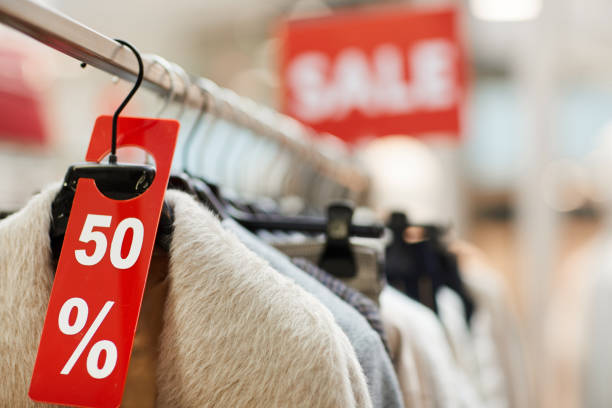
In fact, it works because it gives customers a reason to choose you *right now*. It nudges them to return, spend a little more, or pick your brand over a competitor in the moment. For many businesses, it’s the perfect place to start.
The challenge is that transactional loyalty is often just that—transactional.
When rewards are the *only* reason customers stick around, that loyalty can be fragile. If customers are loyal to the reward and not the brand:
- They’ll switch as soon as a better deal comes along
- Engagement drops when rewards feel slow or forgettable
- Price becomes the main differentiator
Discounts can absolutely drive short-term behaviour, but on their own, they rarely create lasting attachment. That’s why the real question isn’t *“Should we offer rewards?”* It’s *“What kind of loyalty are we building?”*
Because the difference between transactional loyalty and emotional loyalty is the difference between customers who come back once in a while and customers who stay with you for the long haul.
And that’s where emotional loyalty comes in.
## **What is Emotional Loyalty?**
Emotional loyalty goes beyond points, discounts, and promotions. It’s not about *what* customers get, it’s about *how* your brand makes them feel. To put it simply, it’s when customers choose you even when you don’t have a discount.
This kind of loyalty is built when customers feel understood, appreciated, and genuinely valued. And the impact is real: when customers feel appreciated, [88%](https://www.talon.one/blog/essential-customer-loyalty-statistics) plan to stay with the brand, 83% plan to spend more, and 87% will advocate for the brand.
Emotionally loyal customers don’t come back just because there’s a deal waiting for them. They come back because they trust you, relate to your brand, and see you as their go-to choice.
Emotionally loyal customers:
- Choose your brand even when competitors are cheaper
- Engage more with emails, social content, and loyalty experiences
- Recommend you to friends and family without being asked
- Stick around longer and spend more over time
In fact, emotionally loyal customers can deliver up to [306% higher lifetime value](https://www.amraandelma.com/dtc-brand-loyalty-statistics)** **than customers who don’t feel that emotional connection.
Instead of asking, *“What discount will get them to buy today?”* emotional loyalty asks, *“How do we make this experience memorable?”*
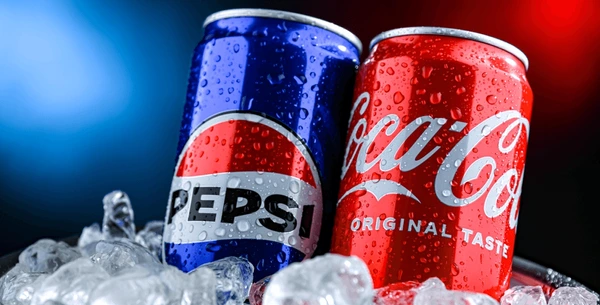
Think Pepsi vs. Coke. Most people already know which side they’re on (and no coupon is changing their mind). They’ll order it without checking the menu, choose it even when it costs more, and would rather have nothing than settle for the alternative. That’s emotional loyalty. It’s built over time through familiarity, trust, and memories, and once it’s there, customers choose you without needing an extra incentive.
Emotional loyalty works the same way. When a brand consistently makes customers feel understood and valued, they stop comparing prices and start choosing you automatically—because you’re their brand.
## **How to Turn Transactional Loyalty Into Emotional Loyalty**
Here’s the key thing: transactional and emotional loyalty aren’t opposites.
Most strong loyalty programs begin with simple incentives and evolve over time into something more meaningful. The shift happens when rewards stop feeling generic and start feeling *personal*.
At first, customers may join your loyalty program for the points or discounts. But as you learn more about what they buy, how often they shop, and what matters to them, you can turn those basic transactions into experiences that feel tailored and thoughtful.
### **Birthday Rewards: Make It Personal**
Few things feel better than being remembered.
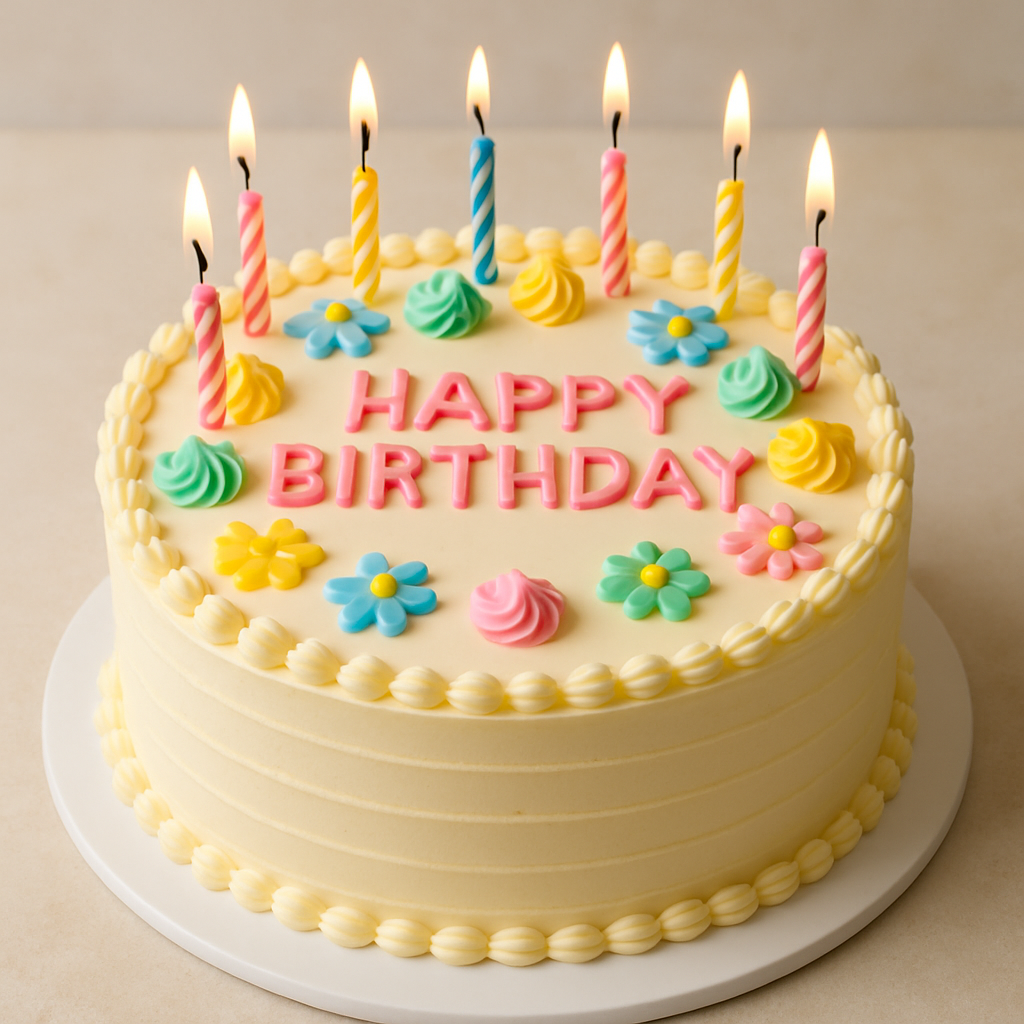
[Birthday rewards ](https://datacandy.com/resources/birthday-rewards-your-secret-weapon-for-increasing-customer-loyalty-and-sales)are an easy, automated way to make your loyalty program feel more human. A birthday discount or anniversary bonus doesn’t come across as a sales push, it feels like a thoughtful* “hey, we’re glad you’re here.”*
**These moments work because they:**
- Remind customers they’re more than just another purchase
- Create feel-good moments people associate with your brand
- Drive engagement without relying on big discounts
Even a small reward can make a big impression when it shows up at exactly the right time. And with DataCandy you can[ automate birthday rewards](https://datacandy.com/platform/automated-offers) and messaging, so no celebration is missed and no manual work is required.
Want to see how birthday rewards actually drive revenue?
Learn how well-timed birthday offers increase engagement, repeat visits and customer lifetime value.
[ Read More ](https://datacandy.com/resources/whats-the-revenue-impact-of-offering-birthday-rewards)
### **Recognition and Progress, Not Just Points**
Customers want to feel seen and appreciated, not just notified. When progress updates and milestones are delivered with warmth and context, loyalty starts to feel like a relationship rather than a transaction. Thoughtful, human messaging turns automated touchpoints into moments of connection.
**Ways to build recognition into your loyalty program:**
- **Highlight progress:** Let customers know how close they are to their next reward or milestone. *“You’re almost there! Just one more visit until your next reward. We can’t wait to treat you.”**
*
- **Acknowledge longevity with gratitude: **Use anniversaries and milestones as a chance to say thank you, not just issue a bonus. *“It’s been a year since you joined us, and we’re glad you did. Here’s a little something to say thanks for being part of our community.”**
*
- **Reward status upgrades:** Make tier upgrades feel earned and meaningful, not automatic. *“You did it! You’ve officially unlocked VIP status. Enjoy exclusive perks made just for our most loyal customers.”*
Recognizing moments like a first purchase, a status upgrade, or a loyalty anniversary (and communicating them with genuine appreciation) helps customers feel their relationship with your brand is growing. That sense of progress and recognition is what moves loyalty from purely transactional to truly emotional.
### **SKU-Based Loyalty: Reward What Customers Actually Love**
SKU-based loyalty takes basic points programs and makes them smarter. Instead of rewarding every purchase the same way, [SKU-based loyalty](https://datacandy.com/resources/what-is-sku-based-loyalty-and-why-it-matters-for-personalized-marketing) lets you offer targeted rewards tied to specific products.
**SKU-based loyalty allows you to:**
- **Offer discounts on favourites: **Offering rewards on products customers regularly buy shows that you understand their needs and gives them extra value. For example, if a customer buys crackers every weekend, you can offer: *“Get 100 bonus points for every purchase of Saltine crackers this weekend!”*
- **Encourage customers to try something new: **Instead of relying on blanket discounts, you can use bonus points to [highlight new or strategic products](https://datacandy.com/resources/3-examples-of-sku-based-loyalty-program-promotions-that-actually-worked). *“Try our new organic pasta sauce and earn 150 bonus points.”
*
- **Upsell or cross-sell in a helpful way: **SKU-based loyalty lets you recommend complementary or premium products without being pushy. For example if a customer buys coffee beans, you can offer: *“Earn 200 bonus points when you add a reusable coffee filter to your purchase.” *or *“Upgrade to our premium roast and earn double points this week.”*
When rewards feel personal, loyalty feels intentional and that’s where emotional connection starts to grow. And with only [34%](https://dmn.ca/the-top-215-customer-loyalty-statistics-for-2024-and-beyond/) of companies generally treating customers as unique individuals, this is a key factor to make your loyalty program stand out from the rest.
Over time, these personalized touches add up. Customers stop thinking, *“What deal can I get?” *and start thinking, *“This brand gets me.”*
That’s the bridge from transactional to emotional loyalty: using data and incentives not just to drive purchases, but to build recognition, trust, and connection.
## **Final Thoughts**
With the right tools, turning transactional loyalty into emotional loyalty doesn’t have to mean more work for your team.
DataCandy makes it easy to automate the moments that matter most. You can set up birthday and anniversary rewards to run automatically, so every customer feels remembered, without manual tracking or reminders. At the same time, DataCandy’s SKU-based loyalty lets you reward customers based on what they actually buy, helping you deliver more relevant, personalized offers at scale.
Together, these features allow your loyalty program to grow naturally—from simple points and discounts into thoughtful, timely experiences that build stronger emotional connections and long-term loyalty.
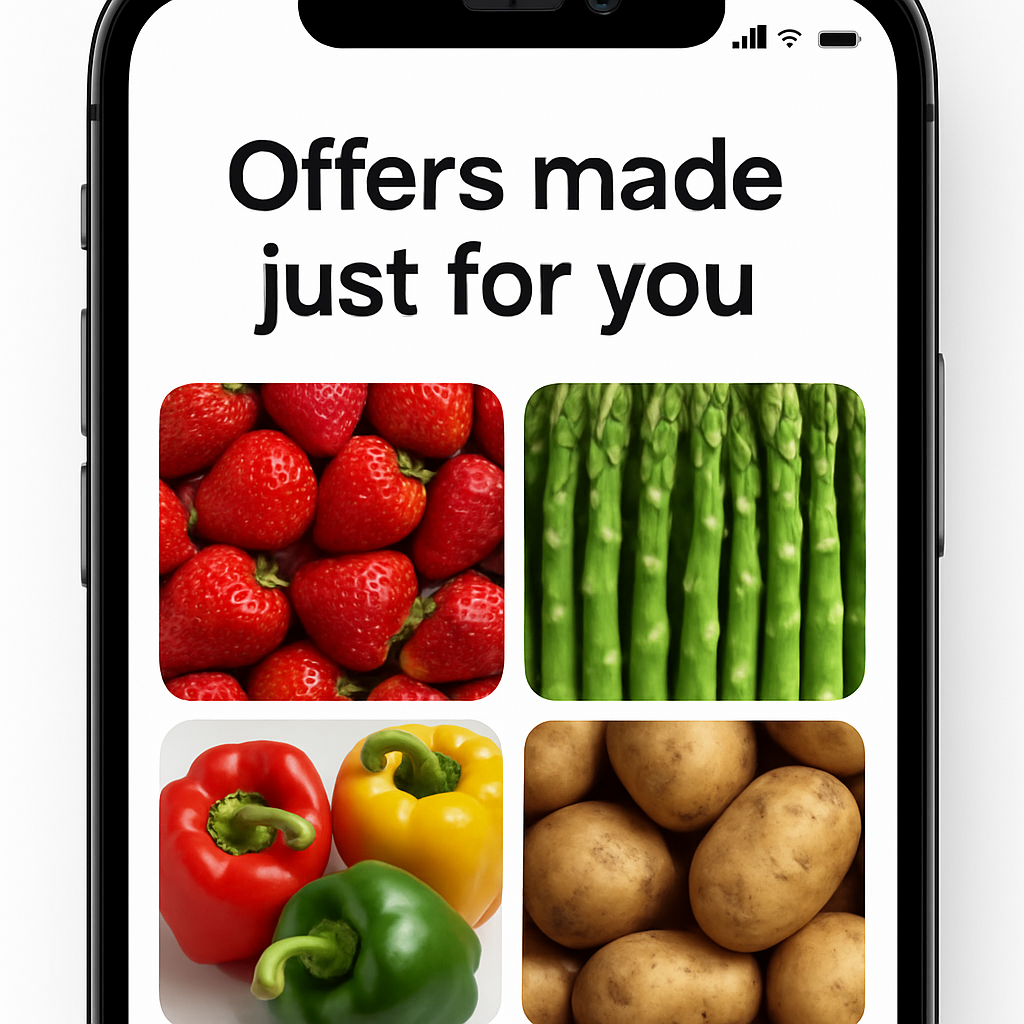
Personalization is what turns loyalty into connection
Read our full blog on SKU-based loyalty and how it drives emotional loyalty.
[ Learn More ](https://datacandy.com/resources/what-is-sku-based-loyalty-and-why-it-matters-for-personalized-marketing)
Elaine Pu
Elaine is a content marketer at the Paystone brands. She likes thrifting, baking and scrapbooking.
Like what you see? Share with a friend.
** ** **
- ### Platform
- [ Gift Cards ](https://datacandy.com/platform/gift-cards)
- [ Customer Loyalty ](https://datacandy.com/platform/loyalty-program)
- [ Automated Offers ](https://datacandy.com/platform/automated-offers)
- [ Social Rewards ](https://datacandy.com/platform/social-rewards)
- [ Insights ](https://datacandy.com/platform/insights)
- [ Reviews ](https://datacandy.com/platform/reviews)
- [ DataCandy Pro ](https://datacandy.com/pro)
- [ Integrations ](https://datacandy.com/integrations)
- [ Pricing ](https://datacandy.com/pricing)
- [ Get Started ](https://datacandy.com/sign-up-loyalty-program)
- ### Resources
- [ Resource Hub ](https://datacandy.com/resources)
- [ Blog ](https://datacandy.com/resources/tag/blog)
- [ Podcast ](https://www.builtbymepodcast.com/)
- [ Help Centre ](https://help.datacandy.com/en/)
- [ Become a Partner ](https://datacandy.com/partners)
- [ Product Status ](https://status.datacandy.com/)
- ### Company
- [ Contact us ](https://datacandy.com/contact)
- [ Careers ](https://www.paystone.com/careers)
- [ Terms of use ](https://datacandy.com/terms-conditions)
- [ Privacy Policy ](https://datacandy.com/privacy)
- ### Get in touch
- [
1-877-630-0478
](tel:18776300478)
- [
support@datacandy.com
](mailto:support@datacandy.com)
- 509 Commissioners Rd. W.
Unit 434
London, ON, N6J 1Y5
- Mon.-Fri.
9 a.m.-5 p.m. ET
- [ Login ](https://app.datacandy.com/auth/login)
- English Français
- 
- 
- 
- 
-
-
-
-
```json
{
"@context" : "https://schema.org",
"@type" : "BlogPosting",
"author" : {
"@type" : "Person",
"name" : "Elaine Pu",
"url" : "https://datacandy.com/resources/author/elaine-pu"
},
"dateModified" : "2026-04-13T23:31:01.087Z",
"datePublished" : "2026-04-13T23:31:01.000Z",
"headline" : "Emotional Loyalty vs. Transactional Loyalty: Which One Drives Long-Term Growth and How to Get it Right",
"image" : [ "https://datacandy.com/hubfs/Imported_Blog_Media/Frame%2040%20(2)-1-3.jpg" ],
"mainEntityOfPage" : {
"@id" : "https://datacandy.com/resources/emotional-loyalty-vs.-transactional-loyalty-which-one-drives-long-term-growth-and-how-to-get-it-right",
"@type" : "WebPage"
},
"publisher" : {
"@type" : "Organization",
"logo" : {
"@type" : "ImageObject",
"url" : "https://datacandy.com/hubfs/NiceJobLogo-Primary.svg"
},
"name" : "NiceJob, a Paystone Company"
}
}
```