Gift cards and gift certificates both give customers a way to gift value, but they can work quite differently for businesses and the people who receive them. The difference can affect everything from how the gift is purchased and redeemed to how easily a business can track balances and manage the program.
In this guide, we’ll break down the key differences between gift cards and gift certificates, including how they’re managed, where they can be used, and what businesses should consider when choosing between them. We’ll also look at the consumer protection rules that apply to gift cards and certificates in different Canadian provinces, so you can better understand what to consider before setting up or changing your program.
What is a Gift Certificate?
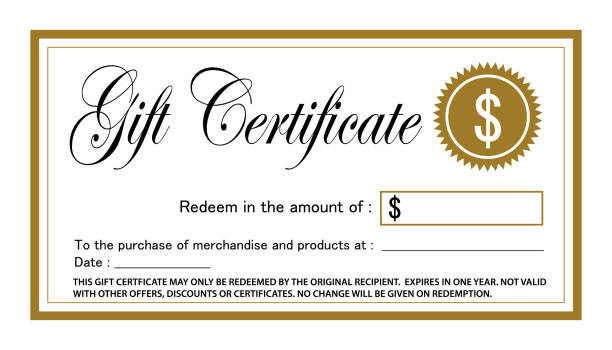
A gift certificate is a prepaid certificate that entitles the recipient to receive goods or services from a business up to a specified value. Traditionally, gift certificates were printed pieces of paper. A restaurant, for example, might sell a $100 gift certificate that a customer could give to a friend to use toward a meal.
Gift certificates can also represent something more specific than a dollar amount. For example, a spa might offer a gift certificate for a massage, while a restaurant could offer a certificate for a particular dining experience.
What is a Gift Card?
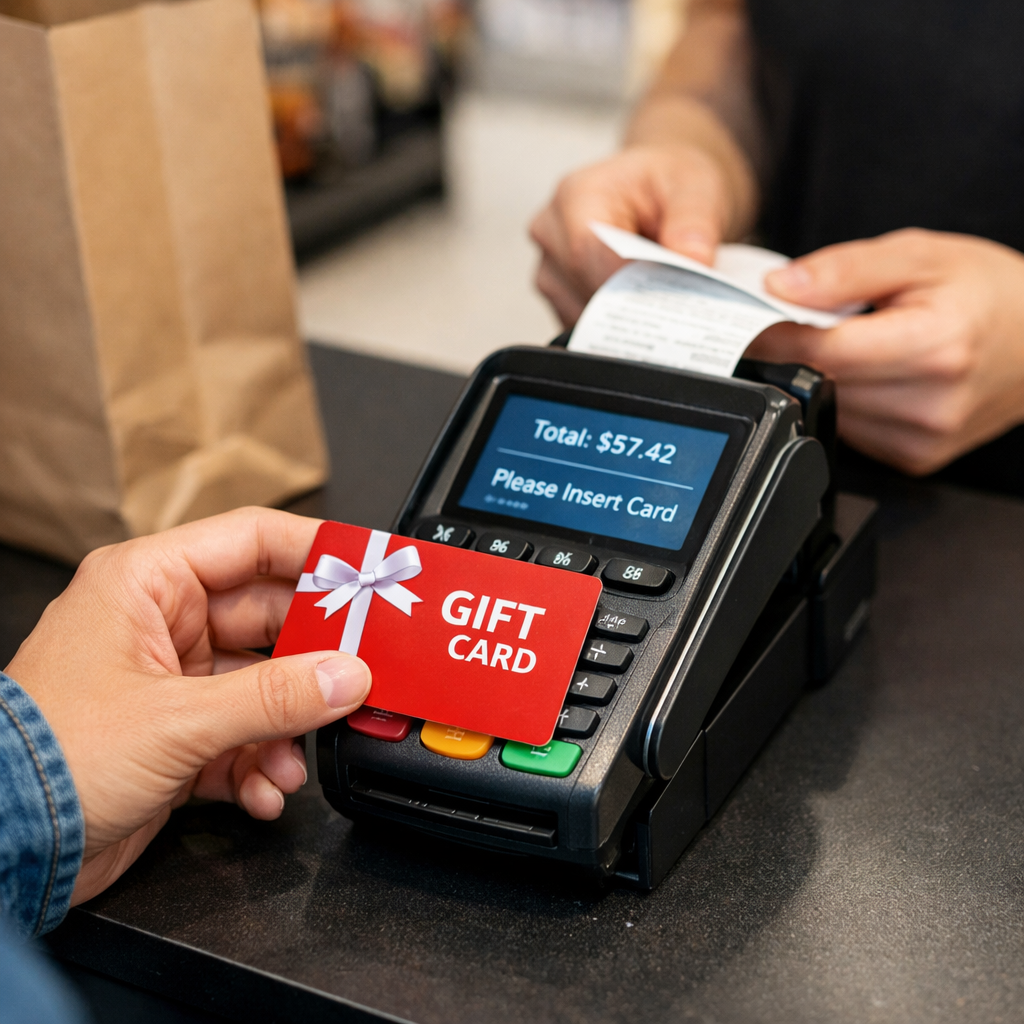
A gift card, on the other hand, is generally a stored-value payment method. The card is assigned a specific balance that can be tracked electronically and updated as the customer makes purchases.
Gift cards can take several forms:
-
Physical gift cards: Traditional plastic cards that customers can purchase in-store or online and give as a physical gift.
-
Digital gift cards: Electronic gift cards delivered by email or another digital channel. Customers can purchase them online and send them directly to the recipient, making them especially convenient for last-minute gifts.
-
Closed-loop gift cards: Gift cards that can only be used with a specific business, brand, or participating group of locations. A restaurant gift card is a common example.
-
Open-loop gift cards: Prepaid cards associated with a payment network that can be used at multiple participating businesses.
Gift cards offer a flexible way for customers to give someone the option to choose what they want from a business. Whether physical or digital, open-loop or closed-loop, gift cards make gifting simple while giving businesses an opportunity to attract new customers, encourage repeat purchases, and generate sales.
Gift Cards vs Gift Certificates: Key Differences at a Glance
While gift cards and gift certificates both let customers give someone prepaid value, they aren't quite the same. The biggest difference comes down to how that value is stored, managed, and redeemed.
Here’s how gift cards and gift certificates typically compare:
|
Feature |
Gift Card |
Gift Certificate |
|
Format |
Physical or digital |
Traditionally paper or electronic certificate |
|
Value |
Usually a stored dollar amount |
Dollar amount, product, service, or experience |
|
Redemption |
Can support in-store, online, or both |
Depends on the business and certificate terms |
|
Multiple purchases |
Typically allows balance to be used over multiple transactions |
Often designed around a single redemption, depending on the term |
|
Flexibility |
Can be configured for different denominations, channels, and locations |
Often tied to a specific offer, location, or experience |
|
Expiry |
Subject to applicable provincial or territorial rules |
Subject to applicable provincial or territorial rules |
|
Fees |
Subject to applicable consumer protection rules |
Subject to applicable consumer protection rules |
|
Refundability |
Depends on the business’s terms and applicable laws |
Depends on the business’s terms and applicable laws |
|
Customer data |
Can be connected to customer profiles, CRM, and loyalty program data |
Typically offers more limited program functionality |
This difference in how value is managed can make gift cards more flexible for both customers and businesses. A gift card can typically be used across multiple transactions, with the remaining balance automatically tracked after each purchase. Depending on the program, businesses can also offer different denominations, support multiple locations, and connect gift card activity with loyalty programs.
Digital gift cards can take that functionality even further. Instead of relying on a physical card or printed certificate, customers can receive their gift electronically and redeem it through supported sales channels. For businesses, the digital format can also make it easier to track purchases and redemptions and connect that activity with CRM and loyalty data.
Why Gift Cards Can Be Easier to Track and Manage
Although physical gift certificates can offer more than just a dollar amount value, it often requires more hands-on management. Paper certificates can be lost or damaged, and without a secure way to track them, it may be harder to confirm its legitimacy and whether a certificate is still validity or has already been redeemed. These challenges may be manageable for a small gifting program, but become more noticeable as sales or locations grow.
Whereas with a physical or digital gift card program, businesses can use systems to track when a card was purchased and how much value remains after each redemption. This can make it easier to verify a gift card when a customer uses it and reduce the manual work involved in managing balances.
Digital gift cards can take this a step further by keeping the gift and its redemption history in a digital system. That gives businesses a more convenient way to manage gifting while also creating opportunities to connect gift card activity with customer profiles, CRM systems, and loyalty programs.
For example, imagine a customer receives a $50 gift card to a restaurant and uses it for their first visit. With a connected digital gift card and loyalty program, the business can capture that redemption as part of the customer's profile. From there, the restaurant can track future visits, and send relevant offers based on their activity. What started as a single gift can become an opportunity to build a relationship with a new customer and encourage them to return.
Legal Differences: Expiry Rules, Fees, and Consumer Protections
Gift card and gift certificate rules can vary depending on where your business operates. In Canada, consumer protection laws are generally set at the provincial or territorial level, so it’s important to understand the rules that apply to your business.
The terms and conditions also need to be clear. Businesses should make important restrictions, fees, and redemption conditions easy for customers to see before they purchase.
Because the rules can differ by province and by the type of gift card or certificate, businesses should review the consumer protection requirements that apply to their specific program.
Ontario
In Ontario, most gift cards, gift certificates, and vouchers cannot have an expiry date. There are some exceptions, including certain cards or certificates that apply only to a specific good or service. Ontario also generally prohibits businesses from charging activation, service, or dormancy fees on gift cards, with limited exceptions. Important restrictions and conditions must also be clearly disclosed to customers.
Quebec
Quebec's Consumer Protection Act specifically regulates prepaid cards, which includes gift cards and other prepaid certificates or payment methods. A prepaid card generally cannot have an expiry date, whether it can be used like cash or is redeemable for a specific good or service. One exception applies to cards that provide unlimited use of a service for a defined period (such as a monthly bus pass).
Quebec also generally prohibits merchants from charging fees to issue or use a prepaid card. There are limited exceptions, such as certain cards that can be used at several independent businesses or cards issued by financial institutions.
Our guide breaks down the key legal considerations, costs, setup requirements, and best practices for small businesses.
Which Is Right for Your Business?
The right choice depends on how you want to manage gifting and what you want your program to do beyond the initial sale.
Gift certificates can be a good fit for businesses that:
-
Want a simple way to offer giftable experiences, services, or specific dollar amounts
-
Are comfortable managing certificates manually
-
Have a smaller volume of gift sales to track
For a small restaurant, salon, spa, or local service business, a gift certificate can be an easy place to start. You can create certificates for a specific dollar amount, service, or experience and manage them with basic tools or manual tracking.
The tradeoff is that manual systems can become harder to manage as sales grow. As we mentioned earlier, paper certificates can be lost or damaged, and businesses may have fewer ways to verify whether a certificate is legitimate or has already been redeemed. If certificates are printed without a secure tracking system, they can also be easier to duplicate or alter, creating a potential fraud risk.
Digital gift cards can be a better fit for businesses that:
-
Want to get a gift card program up and running quickly
-
Want customers to purchase and receive gifts digitally
-
Need to track balances and redemptions automatically
-
Want to support online, in-store, or multi-location redemption
-
Want to reduce the risk of lost, duplicated, or manually altered certificates
-
Want to connect gift card activity with customer and loyalty data
Digital gift cards offer a more scalable approach while removing much of the manual work that comes with traditional certificates. Customers can purchase and receive their gifts electronically, while the business can digitally track balances and redemptions. There’s no need to print, store, or physically distribute cards.
And because digital gift cards can integrate with other customer systems, they can do more than facilitate a transaction. When gift card activity connects with a loyalty program, businesses can see more of the customer journey and create opportunities to turn a gift recipient into a repeat customer.
For businesses that simply need a straightforward voucher, a gift certificate may be all they need. But for businesses looking to make gifting easier to manage while creating more opportunities to understand and retain customers, a digital gift card program offers more room to grow.
Give Customers a Better Way to Gift
A gift can be the beginning of a customer relationship, not just a one-time transaction. The right gifting solution makes it easy for recipients to redeem their gift while giving businesses opportunities to bring those customers back, build loyalty, and learn more about their preferences.
Gift cards make that possible without adding unnecessary complexity. With the right setup, gifting can become another touchpoint in your customer experience and loyalty strategy, helping you turn more first-time visitors into returning customers.
Discover how DataCandy's gift card and loyalty solutions can help you simplify gifting, track customer activity, and encourage repeat visits.
FAQ
Can a gift certificate expire?
It depends on where your business operates and what the certificate covers. In Ontario, most gift certificates cannot have an expiry date, although exceptions apply for certain types of certificates, including some that cover only a specific good or service.
If you offer gift certificates, check the consumer protection rules in your province or territory before adding an expiry date or other restrictions.
Is a gift card a form of currency?
Not exactly. A gift card is a prepaid payment method with a stored value that can be used to purchase goods or services according to the card's terms. It isn't legal tender like cash, and it generally can't be exchanged for cash simply because the recipient wants to do so.
Can I use a gift certificate online?
That depends on how the business has designed the certificate. Some gift certificates are intended for in-person redemption, while others may be accepted online. Gift cards can be particularly useful for businesses that sell both online and in-store because they can be configured to support multiple purchasing channels.