Gift cards have become a standard part of the customer experience for restaurants, retailers, and service-based businesses. But a modern gift card program is much more than a way for customers to purchase last minute gifts.
A well-designed gift card program can help businesses generate immediate revenue, attract new customers, increase customer spending, and create valuable insights that improve marketing and loyalty efforts.
For small businesses especially, gift cards provide a simple way to turn existing customers into brand advocates while giving new customers a reason to visit for the first time.
What Is a Gift Card Program?
A gift card program is a system that allows businesses to sell prepaid cards or digital vouchers that customers can use toward future purchases. Customers can purchase a gift card for themselves or someone else, and the recipient redeems the stored value when they visit the business.
The biggest difference between a basic gift card system and a modern gift card platform is what happens after the card is purchased. With the right technology, businesses can understand customer behaviour, connect gift card activity with loyalty programs, and build stronger relationships beyond the initial transaction.
Physical vs. Digital Gift Cards
There are many options available to businesses when creating a gift card program. The right format depends on your customers, sales channels, and business goals.
Gift card programs can include physical cards, digital gift cards, virtual gift cards, online purchasing, automated delivery, and integrations with point-of-sale systems.
Physical Gift Cards
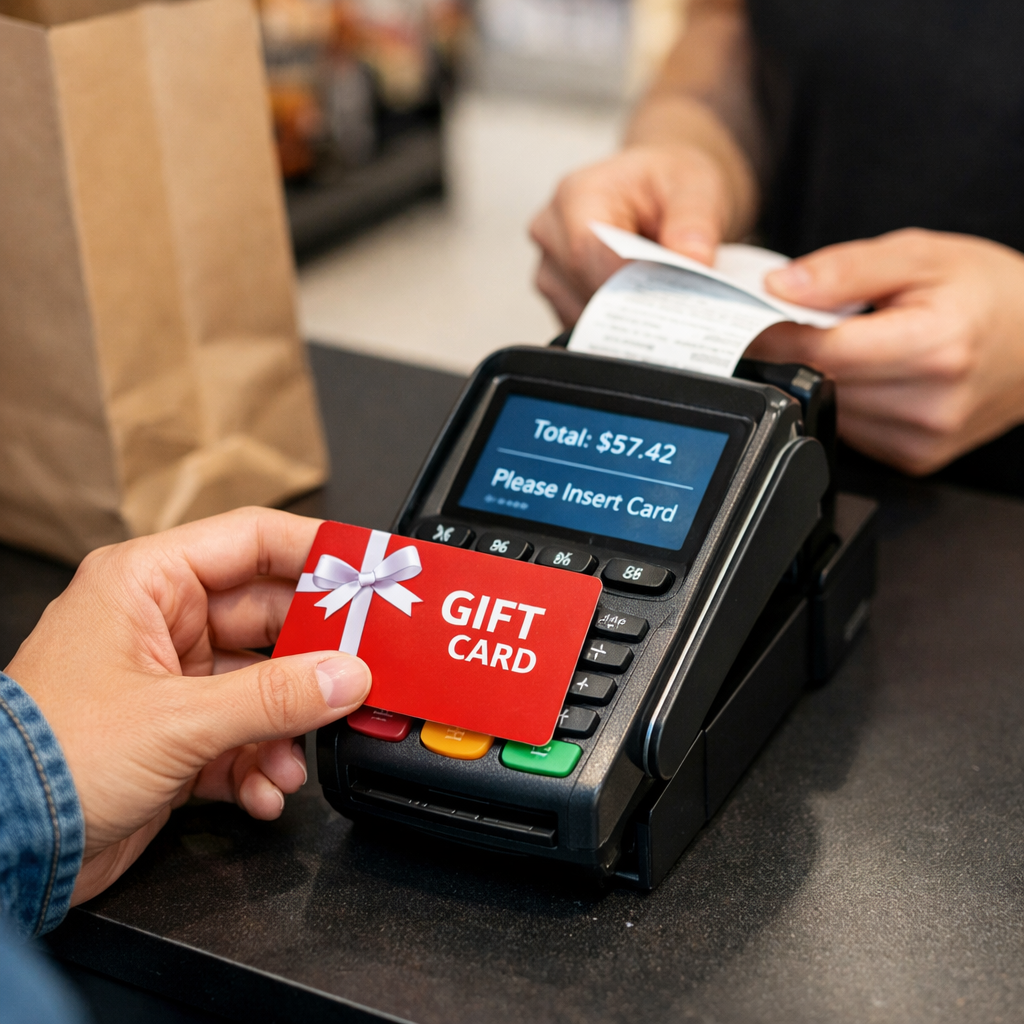
Physical gift cards are traditional plastic cards that customers can purchase in-store or receive as a gift.
They remain popular for restaurants and retail businesses because they provide a tangible gifting experience. Customers can wrap them, hand them to someone directly, or purchase them during a store visit.
Benefits of physical gift cards include:
- A familiar experience customers already understand
- Increased visibility at checkout counters
- A convenient option for in-person shoppers
- Opportunities for branded card designs
The downside is that physical cards require inventory management, printing, and distribution.
Digital Gift Cards
Digital gift cards allow customers to purchase and send gift cards online through email or text.
They are ideal for customers who want a fast and convenient gifting option, especially for birthdays, holidays, and last-minute purchases.
Benefits of digital gift cards include:
- Instant delivery
- No physical inventory required
- Easy online purchasing
- Ability to reach customers outside your store location
For restaurants and retailers with online ordering or ecommerce, digital gift cards create another way to generate sales outside regular operating hours.
How Gift Card Programs Generate Revenue
Many businesses think of gift cards as a holiday promotion or a convenient gifting option. In reality, a strong gift card program can support revenue generation all year long. Gift cards create cash flow, bring in new visitors, increase order values, and open the door to repeat business.
Here are four ways gift card programs generate revenue.
1. Gift Cards Bring in Revenue Before the Customer Even Visits
One of the biggest advantages of gift cards is that businesses get paid upfront.
That means a customer can buy a gift card today, and the business receives the revenue immediately, even if the recipient doesn’t redeem it for weeks or months. This creates a useful cash flow advantage, especially during slower seasons. For example, a customer might buy a $100 gift card for a local restaurant in December, and the restaurant receives the $100 right away even if the recipient doesn’t dine there until February. That upfront payment helps the business cover operating costs now while creating a future visit later.
This is especially valuable for businesses that want to:
- Improve short-term cash flow
- Drive sales during seasonal peaks
- Encourage advance purchases before busy periods
- Create predictable revenue from gifting campaigns
2. Gift Cards Introduce New Customers to Your Business
Gift cards are one of the easiest ways to acquire new customers because they often come with a built-in recommendation.
When someone gives a gift card, they are essentially saying, “I trust this business enough to recommend it to someone else.” That makes the recipient more likely to try the business for the first time. For instance, a regular customer might give a friend a $50 spa gift card for her birthday, and after the friend visits the spa for the first time and enjoys the experience, she may later book another appointment on her own. What started as a gift becomes a new customer relationship.
This matters because gift card recipients often become repeat customers if the first visit goes well.
3. Gift Cards Encourage Customers to Spend More Than the Gift Card Value
Gift cards often lead to higher transaction values because customers frequently spend beyond the amount loaded on the card.
A customer with a $25 gift card may add a dessert, upgrade a meal, buy an extra item, or choose a premium service. Even if they use the full balance, they often pay the difference out of pocket. Similarly, a shopper who receives a $75 gift card to a retail store may find a jacket she likes for $110 and spend an additional $35 at checkout instead of leaving with only the gift card value.
This creates a natural opportunity to increase average order value without requiring a hard sell.
4. Gift Cards Encourage Repeat Visits
Unlike a one-time promotion, a gift card can bring customers back multiple times. If the card's balance isn't used in a single visit, customers have a reason to return and redeem the remaining value.
For example, a customer who receives a $100 gift card to a restaurant may use $60 on their first visit, leaving $40 for another occasion. That second visit creates another opportunity to make a sale, build a relationship, and encourage future visits even after the gift card balance has been spent.
Each redemption gives businesses another chance to deliver a great customer experience, introduce new products or services, and turn a one-time gift card recipient into a loyal, repeat customer.
5. Gift Cards Can Create Additional Value Through Unused Balances
Not every gift card is redeemed in full. Some are partially used, forgotten, or never redeemed at all. The unused portion of a gift card balance is often referred to as breakage.
Depending on local regulations and accounting practices, breakage may contribute additional revenue for businesses. But even when gift cards are redeemed, they still create value by bringing customers through the door and creating opportunities for future purchases.
For example, Nonnina, a family-run café in Montreal, used a DataCandy-powered gift card program to create an additional revenue stream while attracting new customers. With 32% of gift card value remaining unused, Nonnina effectively captures this as pure profit for the business. Together, these outcomes illustrate how gift cards have become an effective growth tool for Nonnina—combining upfront cash flow, increased customer visits, and long-term loyalty in one program.
Why This Matters for Small Businesses
For small businesses, gift cards are especially powerful because they combine several revenue drivers in one program.
A single gift card sale can:
-
Generate immediate cash flow
-
Bring in a new customer
-
Encourage repeat visits
-
Increase the size of the next transaction
-
Support repeat visits through follow-up marketing
That makes gift cards more than a seasonal add-on. They become a practical growth tool that supports both short-term sales and long-term customer retention.
How to Set Up a Gift Card Program for Your Restaurant or Retail Store
Setting up a gift card program doesn’t have to be complicated. The right platform can help businesses create, manage, and track gift card sales while integrating them into existing customer engagement strategies.
Step 1: Choose the Right Gift Card Platform
The first step is choosing a solution that fits your business needs.
Look for features such as:
-
Physical and digital gift card support
-
Online gift card sales
-
Point-of-sale integration
-
Customer tracking and reporting
-
Loyalty program integration
-
Marketing capabilities
Read our full guide on how to create a gift card program for small businesses for a full Canadian guide
Step 2: Create Your Gift Card Strategy
Before launching, decide how your gift cards will support your business goals.
Common strategies include:
-
Holiday gifting campaigns
-
Birthday promotions
-
Customer appreciation offers
-
Corporate gifting programs
-
Seasonal promotions
For example, a restaurant might offer bonus gift cards during the holiday season to increase sales, while a retailer might use gift cards to encourage first-time customers to visit.
Step 3: Make Gift Cards Easy to Purchase
The easier gift cards are to buy, the more likely customers are to use them.
Promote gift cards through:
-
Your website
-
Email campaigns
-
Social media
-
In-store signage
-
Checkout experiences
Digital and virtual gift cards are especially valuable because customers can purchase them instantly from anywhere.
Step 4: Track Performance and Customer Behaviour
A gift card program should give you a clear view of how customers are interacting with your business from the moment a card is purchased through to redemption and beyond.
Track metrics such as:
-
Gift card sales
-
Redemption rates
-
New customer visits
-
Repeat purchases
-
Customer preferences
With DataCandy Insights, you get visibility into gift card activity, float balances, and outstanding gift card amounts. This means you can see how much prepaid value is currently sitting in your system, how quickly it is being redeemed, and where balances are accumulating over time.
For example, tracking float balances helps you understand the cash position created by unredeemed gift cards, while outstanding balances highlight future visits that are already “locked in” revenue. Combined with redemption patterns, these insights help businesses forecast demand, manage cash flow more effectively, and identify opportunities to re-engage customers before balances sit idle.
Gift Cards and Loyalty Programs: Why They Work Better Together
Gift cards are excellent at bringing new customers through the door, but loyalty programs help ensure those customers come back. Individually, each can drive revenue. Together, they create a more complete customer experience while giving businesses a clearer view of how customers progress from a first visit to becoming loyal, repeat customers.
For example, a customer may receive a restaurant gift card from a friend, visit for the first time, redeem it, and join the loyalty program during checkout. From there, businesses can begin to understand that customer’s preferences, measure whether they return, and trigger personalized offers that encourage future visits.
Instead of simply knowing that a gift card was purchased and redeemed, you can begin tracking how those customers engage with your business over time and answer questions like:
- How many gift card recipients become repeat customers?
- How long does it take a gift card recipient to make their next purchase?
- Which gift card campaigns generate the highest customer lifetime value?
- What offers are most effective at encouraging gift card recipients to return?
These insights help businesses understand what happens after the first visit, making it easier to identify successful campaigns, improve customer retention, and build more personalized marketing strategies.
This is where DataCandy’s gift and loyalty software comes in. By connecting both programs through DataCandy Insights, businesses can see the entire customer journey (from gift card purchase and redemption to loyalty activity, repeat visits, and ongoing engagement), all within a single platform.
Final Thoughts: Turn Gift Cards Into a Customer Growth Tool
A gift card program is more than a way to accept payments. It is a revenue opportunity, a customer acquisition tool, and a source of valuable customer insights.
With DataCandy, businesses can create gift card programs that connect purchasing behaviour with loyalty data, helping turn every gift card purchase into a long-term customer relationship.
Explore DataCandy’s gift card platform and see how your business can drive more revenue while building stronger customer loyalty
Frequently Asked Questions
How do restaurant gift card programs work?
Restaurant gift card programs allow customers to purchase prepaid value that can be redeemed for food and services. The restaurant receives payment upfront, and the customer uses the gift card during a future visit. Digital restaurant gift cards can also be purchased and delivered online, making gifting faster and more convenient.
Can I set up my own gift card program?
Yes. Businesses can set up their own gift card program using a gift card platform that manages card creation, payments, redemption, and reporting. The best solutions integrate with existing point-of-sale and loyalty systems so businesses can track customer activity and create better marketing campaigns.
With DataCandy, businesses can get set up in as little as 10 days, depending on the complexity of their setup and integrations.
The onboarding process typically includes:
-
Configuring your gift card program (physical, digital, or virtual options)
-
Connecting your point-of-sale system for seamless redemption
-
Setting up payment processing and transaction flows
-
Customizing branding, card designs, and customer experience
What is the cost of a gift card program?
The cost of a gift card program depends on the platform, features, integrations, and customization required. Businesses should consider both the cost of the system and the potential return from increased sales, customer acquisition, and repeat visits.
With DataCandy, pricing is based on your business needs and the number of locations. To explore specific plans, you can view full details on our pricing page.
Because every business uses gift cards differently, the real value isn’t just the cost of the program but the return it generates. Many businesses see revenue growth through upfront gift card sales, increased transaction values, and repeat customer visits.
To better understand your potential return, you can use our gift card ROI calculator to estimate how a gift card program could impact your business based on your own numbers.
What’s the difference between a gift card and a loyalty card?
A gift card stores prepaid value that customers can spend at a business. A loyalty card tracks customer activity and rewards repeat purchases. Gift cards help businesses generate revenue and attract new customers, while loyalty programs help increase retention. When combined, they create a stronger customer engagement strategy.
What’s the difference between a promo card and a gift card?
A gift card represents prepaid value that a customer purchases and gives to someone else, or uses for themselves later. It functions like stored value and is typically redeemed at full or partial balance across one or more visits.
A promo card, on the other hand, is usually issued by the business as part of a marketing campaign or customer incentive. Instead of being purchased, it is given away to encourage specific behaviours such as first-time visits, repeat purchases, or engagement with a promotion.
While both can drive sales and customer engagement, they work in different ways. Gift cards generate upfront revenue, while promo cards are designed to influence future behaviour. In many cases, they can also work together. For example, a business might issue a promo card offering a bonus value (such as “Get a $10 bonus when you purchase a $50 gift card”), encouraging customers to buy gift cards while also driving immediate visits and future spend.
To see a deeper breakdown of how each one works and when to use them, you can read our full guide on which option is better suited for your business.