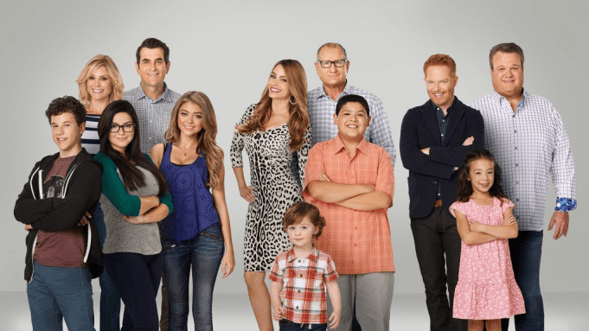
Think of your loyalty program like a Modern Family episode: every character has their own quirks, habits, and ways of getting what they want.
And just because they’re family doesn’t mean they use loyalty programs the same way. Claire might be meticulously calculating every point while Phil is leaping at every tiered perk and surprise reward, shouting “I got Gold!” at the top of his lungs. Meanwhile, Cam is probably texting his whole social circle about the latest deal, Mitchell is double-checking the math before he signs up, and Jay…well, Jay just wants the free sausage delivered without any drama.
Recognizing how each type behaves, what drives them, and what excites them turns your loyalty program from a one-size-fits-all approach into something personal, meaningful, and irresistible.
Claire: The Points Strategist
Claire doesn’t just use loyalty programs, she plays to win.
Every purchase is a strategic move, every promotion a chance to get ahead, and every missed point opportunity a tiny personal tragedy. She knows which store offers the best multipliers, which promotion stacks with which discount, and exactly how to time purchases for maximum value. She keeps all her loyalty programs stored in her digital wallet so they’re with her everywhere she goes.
How to appeal to Claire:
- Highlight bonus promotions: Claire notices every opportunity to earn extra points. Signage beside items, in-app notifications, or shelf tags showing bonus points or limited-time offers can directly sway her purchase decisions.
- Provide progress tracking: By making her progress visible (through dashboards, tier meters, or reward trackers), you feed directly into her love of strategy and competition. Every purchase feels like a move in the game, motivating her to keep going and maximize her rewards.
- Prioritize digital convenience: Seamless mobile integration is non-negotiable. Digital wallets, app-based cards, and frictionless scanning reduce frustration and increase satisfaction.
While others browse, Claire calculates. And in the battle of points, tiers, and perks…Claire absolutely refuses to come in second.
Phil: The Loyalty Cheerleader
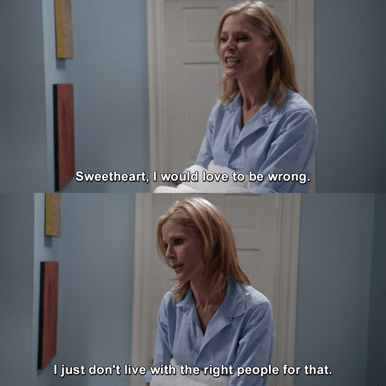
Phil loves being loyal. To his wife, his kids and his favourite magic shop. And he really loves getting rewarded for it.
He thrives on feeling like an insider, which makes tiered loyalty programs his natural habitat. Nothing excites Phil more than unlocking “Gold” status and basking in the subtle (or not-so-subtle) satisfaction of being above all the “casual trampolinists.”
Phil gets genuinely excited when he receives an upsell campaign, immediately reacting with something like, “Omg, how did they know I needed a new magic top hat?!”
He also falls head over heels for fun and quirky product recommendations, confidently declaring, “I totally need this burrito-shaped blanket.”
Lastly, nothing wins Phil over faster than a little birthday freebie, particularly in those moments when Claire forgot to get him a gift, because once his favourite shop steps in to save the day, they’ve officially earned a customer for life.
How to appeal to Phil:
- Make him feel special: Phil loves the feeling of being an insider. Exclusive offers, early access, and members-only perks instantly boost his engagement. Also remember to celebrate his milestones. Birthday rewards, anniversary perks and surprise treats create lasting positive associations with your brand.
- Personalize the experience: Phil is a total sucker for an impulse buy, especially when it’s exactly the product he didn’t know he needed. Use SKU-based loyalty to serve up personalized upsell and cross-sell offers that make him say, “Omg, how did they know I needed this?!”
- Keep it high-tech: Seamless digital experiences, loyalty-integrated mobile apps, and tap-to-scan convenience aligns perfectly with Phil’s love for gadgets and technology.
Win Phil over and you’re not just gaining a member, you’re gaining an enthusiastic, points-chasing brand cheerleader.

Cam: The Social Superfan
Cam loves talking to strangers. Cam loves shopping. And Cam’s absolute favourite thing? Talking to strangers about shopping.
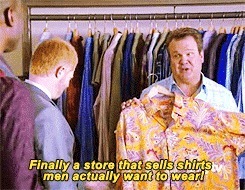
The moment Cameron discovers a new shop (whether it’s for adorable postcards, fun patterned shirts, or the perfect jar of fig jam), he can’t keep it to himself. Recommending it becomes a personal mission. Neighbours, family members, casual acquaintances, and even his gardener will all hear about it. If Cam could shout his favourite finds from the rooftops, he absolutely would (or more likely, he’d sing it.)
For example, Cam will take one look at Claire’s “practical” wardrobe and gently suggests he happens to have a referral discount code for a new trendy boutique. “$10 off your first order, you have to go. And take Gloria with you too, I already sent her my code!”
How to appeal to Cam:
- Make referring effortless: Send Cam a post-purchase email with an easy-to-copy and shareable referral link he can immediately pass along to anyone he encounters.
- Offer two-way referral bonuses: Cam is far more motivated when the referral benefits both parties. Helping someone else get a deal makes sharing feel generous rather than transactional.
- Recognize and celebrate his efforts: Cam wants to feel like he’s genuinely helping you grow. Thank-you messages, milestone rewards, or bonuses for high referral activity reinforce his enthusiasm and keep him proudly spreading the word.
Cam genuinely loves helping people score a good deal, and the fact that he gets a little reward for himself? That’s simply a delightful bonus.
Mitchell: The Skeptical Strategist
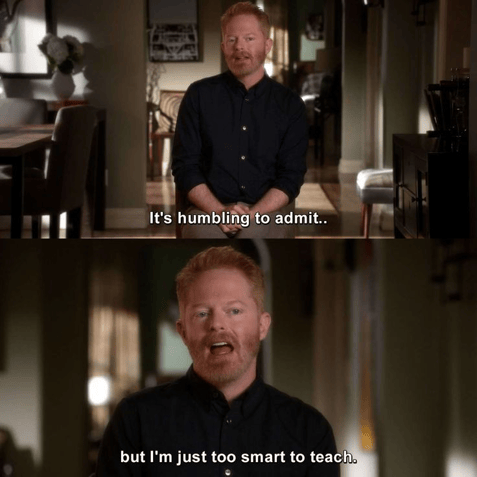
Unlike most people, Mitchell always reads the fine print. After all, he is a lawyer (even if Jay doesn’t treat him like one.)
Before signing up, he wants to know exactly what he’s agreeing to. How is his data being used? Are the rewards actually worth it? Is this going to flood his inbox with nonsense? If the terms and conditions feel vague or overly complicated, Mitchell is politely declining.
When Mitchell receives a loyalty program email promising “exclusive rewards.” Instead of signing up immediately, Mitchell pulls out a notepad and calculates: “If I spend $200 a month, that’s $20 in points back but the points expire in six months, so I’d need to spend $50 extra per month to maximize it… hmm.”
How to appeal to Mitchell:
- Be crystal clear about value: Mitchell wants to know exactly what he’s getting. Instead of saying, “Earn points for every purchase”, say “Spend $100, get $10 back in points” Explaining rewards in real monetary terms removes some of his instant skepticism.
- Explain the rules upfront: Don’t make Mitchell hunt through the fine print (even though he probably will anyways). Clearly outline how points are earned, what qualifies for rewards, and any limits or expiration dates.
- Send relevant communication: Only notify him about things he can actually use, like points, updates, upcoming rewards or personalized offers. Irrelevant promotions will make him unsubscribe in a heartbeat.
Mitchell appreciates structure, transparency, and logic. If a program clearly outlines how points are earned, how they’re redeemed, and what the real value is, he’s in. But if it feels gimmicky or manipulative, he’s out faster than you can say “limited-time offer.”
Jay: The No-Nonsense Loyalist
Jay doesn’t want anything overly complicated.
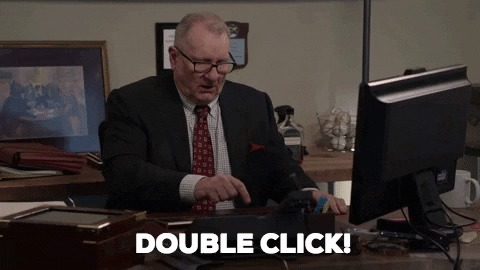
The moment a loyalty program starts throwing around long sign-up forms, confusing rules, or tech that requires more than a simple tap, Jay mentally checks out. If he has to “double-click,” reset a password, or figure out where his points live…he’s already lost interest.
Jay doesn’t go looking for loyalty programs, but if the cashier says, “We can sign you up in two seconds and you’ll get a free sausage after a few visits,” he’ll nod and say, “Fine.” but will secretly be jumping for joy. Convenience wins every time.
How to appeal to Jay:
- Keep it simple: Avoid complex mechanics, layered rules, or anything that feels like work. Jay responds best to straightforward programs. Easy enrollment, no complicated logins, no unnecessary steps.
- Offer checkout enrollment: Remove friction by allowing staff to enroll him quickly during purchase. The simplest approach is a program that links automatically to your POS, so all he needs to do is provide his phone number or email.
- Emphasize practical value: Jay won’t check his points balance, download an app, or hunt through emails but he’ll absolutely appreciate hearing, “Good news, this one’s on us today.”
Jay may not be your most vocal loyalty member, but he’s often one of your most dependable. Win Jay with ease, clarity, and convenience, and you’ll earn a long-term customer who keeps coming back.
Final Thoughts
At the end of the day, loyalty is more than points, tiers, and perks. It’s about understanding the people behind the purchases.
When you design your program with Claire’s competitive spirit, Phil’s excitement, Cam’s generosity, Mitch’s skepticism, and Jay’s practicality in mind, you create a system that appeals to everyone.
Because just like a Modern Family episode, your loyalty program works best when it embraces everyone’s quirks, celebrates their wins, and makes them feel truly seen. When you do that, loyalty stops being a transaction, it becomes a relationship.