Think about the last time you joined a loyalty program at a store you love. At first, it sounded great: earn points, get rewards. But then you realized you had to spend $20 to earn 1 point… and needed 100 points for $10 off. That’s $2,000 in spend for a $10 reward. Not exactly motivating.
This is where many loyalty programs lose momentum.
Loyalty programs have incredible potential. When designed thoughtfully, they can drive repeat visits, increase spend, and build long-term relationships. Most programs don’t fail because loyalty is a bad idea, they struggle because small, fixable gaps hold them back.
In this blog, we’ll walk through five common reasons loyalty programs fail and what you can do differently.
1. Rewards Don’t Feel Valuable
On paper, a lot of loyalty programs look fine. Points are earned, rewards exist, and customers technically benefit over time. But when you look closer, the perceived value isn’t there. Most customers are members of a lot of loyalty programs. In fact, the average Canadian belongs to 22 loyalty programs, but only actively uses 9 of them.
That gap usually signals one core issue: the perceived value of rewards doesn’t align with customer expectations.
Why Valuable Rewards Matter
If customers don't feel like they're getting any value out of a loyalty program, they're probably not going to bother checking it or using it much. For instance, one benchmark suggests the average redemption rate for loyalty rewards globally is approximately 50%, meaning roughly half of potential value remains unused across programs.
Furthermore, customers are more likely to spend more when a program feels genuinely rewarding. Loyalty members who redeem rewards spend significantly more; studies find that members who redeem rewards spend around 3.1× more annually than those who don’t.
How to offer rewards that your customers love:
- Encourage customers to redeem their points: Make redemption feel easy and worth it. You can run fun promos like “Double Value Days” where points go twice as far, “Redeem & Win” giveaways, or simply have staff ask, “Would you like to use your points today?” at checkout.
- Give customers a quick win early: Start the relationship strong by giving an easy first reward (eg. 50 bonus points for signing up, a next-purchase discount, or an instant freebie). It builds momentum and gets customers familiar with how good it feels to earn and redeem.
- Make your rewards genuinely attainable: Align rewards with what your customers actually buy and how often they visit. Instead of requiring unrealistic point totals, keep rewards within reach (like a free drink after 5 visits or $10 off after spending $100).
DataCandy client, Mr. Puffs dramatically improved their rewards engagement by making their loyalty program fun and relevant. When they launched Puffs Points with a creative Olympics-themed promotion (offering six free puffs every time Canada won a gold medal) they saw membership grow by 317% in just two weeks and member sales jump 68% month-over-month.
The lesson here is simple: rewards don’t need to be huge, they just need to feel fair, relevant, and attainable.
2. The Program Is Too Complicated
When it comes to loyalty programs, less really is more. Customers don’t want to feel like they’re studying for a quiz just to earn a reward. If a program has too many rules, confusing point systems, or hidden fine print, it quickly starts to feel like work and that’s where engagement drops off.
Why Keeping it Simple Matters
Loyalty programs live in quick, busy moments: checkout, ordering online, or grabbing something on the go. If customers have to pause and think, “Wait… how does this work again?” you’ve already lost them.
Confusion creates friction. And friction is one of the fastest ways to turn an active loyalty member into a passive one.
When a loyalty program feels complicated:
- Fewer customers complete sign-up
- Rewards go unredeemed
- Staff spend more time explaining rules instead of serving customers
- The program exists, but doesn’t actually drive repeat visits or higher spend
Over time, loyalty becomes something customers technically belong to, rather than something they actively use.
How to make your loyalty program user-friendly:
- Make sign-up seamless: Let customers join in seconds with a quick sign-up link or an easy opt-in right at the POS.
- Keep the rules obvious: Make it crystal clear how customers earn and redeem rewards. No fine print or mental math required. “Get 300 points when you buy a coffee and sandwich combo. That’s $3 in points!”
- Make redemption effortless: If redeeming feels awkward or confusing, customers won’t do it. Auto-apply rewards at checkout or let staff ask, “Want to use your $10 reward today?”
A great example of a simple, effective loyalty program is DataCandy client Global Pet Foods. Their Pet’s Rewards program uses an easy, punch-card-style system—buy a certain number of bags, get one free. This straightforward approach earned them a third place spot in LoyalT’s top ten rewards program in Canada in 2025.
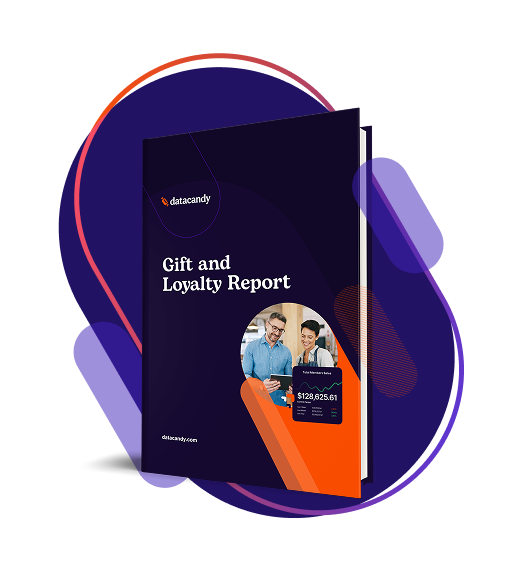
Download our free Gift & Loyalty report where we break down their success and other important trends that'll set you up for success.
3. Lack of Communication
I don’t know about you, but I’m probably part of at least 30 loyalty programs. With so many memberships competing for attention, it’s easy for a program to fade into the background, especially if a brand isn’t actively reminding customers why it matters.
Signing someone up is only half the battle. If customers don’t hear from you again, they’ll forget they ever joined.
Why Communication Matters
Loyalty programs need regular touchpoints to stay top of mind. If customers aren’t reminded that they’re earning points, unlocking rewards, or getting exclusive perks, the program fades from their memory.
When loyalty programs aren’t communicated consistently:
- Customers forget they’re members
- Points sit unused and rewards go unredeemed
- Promotions don’t reach the customers most likely to use them
- Repeat visits and engagement slowly drop
The most effective loyalty programs don’t rely on customers to remember, they build reminders into the experience.
How to fix it:
- Make your program impossible to forget: Promote it consistently across email, SMS, receipts, in-store signage, and checkout experiences. Continue to mention it on social posts, booking confirmations, and on receipts with a checkout message like “Join our rewards program and earn points on every purchase.”
- Send regular emails to your members: Use emails for promotions “Double points this weekend”, updates “We’ve added new rewards”, or simple newsletters that feature tips, product highlights, or upcoming events.
- Call out what’s new: Announce seasonal perks, limited-time rewards, or new earning opportunities, such as “Earn bonus points for referrals this month” or “New birthday reward unlocked.”
When customers regularly hear from you and see real value in your program, loyalty stops being forgettable and starts driving repeat business. With DataCandy’s automated offers, you don’t have to manually plan or send every message. Once your rules are set, the right reward or reminder is delivered automatically.
4. Rewards Aren’t Personalized
A loyalty program helps you understand how customers shop, so you can use real data to create personalized offers based on what they actually care about. Personalization helps customers feel noticed, appreciated, and understood.
Why Personalizing Rewards Matters
Personalization matters because loyalty works when rewards reflect what customers genuinely care about. A one-size-fits-all reward might appeal to some, but it will fall flat for others. When offers are based on real shopping behaviour (favourite products, preferred categories, or how often someone visits), they feel relevant instead of random. In fact, 91% of customers are more likely to shop with brands that deliver personalized offers and recommendations. Additionally, personalized emails and offers generate 6x more transactions than generic campaigns, turning engagement into real revenue.
Without personalization, even a well-structured program can feel disconnected from the customer experience.
When loyalty programs aren’t personalized:
- Offers feel generic and easy to ignore
- Customers engage less often with rewards and promotions
- You miss opportunities to upsell/crosssell
- Loyalty becomes transactional instead of emotional
Over time, the program stops strengthening relationships and starts blending in with everything else in a customer’s inbox.
How to offer meaningful and personalized rewards:
- Use SKU-based loyalty to customize rewards: When you track earning and redemption at the item level, you can tailor offers to what customers actually buy—like giving bonus points for high-margin items, seasonal products, or slow movers that need a boost.
- Send offers based on behaviour: Send rewards triggered by visit frequency, spend history, lapsed activity, or birthdays. For example, you can send a “We miss you” offer to customers who haven’t visited in 60 days. With DataCandy, these offers are fully automated. Once you set the rules, the right offer is delivered at the right time.
- Create meaningful reward paths: Encourage discovery and upsells by tying rewards to customer behaviour. For example: Regular matcha latte buyer? Offer bonus points for adding a matcha white chocolate cookie to their order.
- Segment your customers: A tiered loyalty program encourages customers to spend more by rewarding them for reaching higher spending levels. With DataCandy Pro, you can automatically segment customers into tiers based on spend and unlock premium perks for your top customers.
Personalizing offers for each customer helps ensure your loyalty program delivers value that actually fits their needs and preferences.
Discover examples of three SKU-based loyalty promotions, why they worked and how you can apply it to your program.
5. The Program Isn’t Measured or Improved Over Time
Once a loyalty program is live, it’s easy to assume the hard part is done. The points are being earned, rewards exist, and customers are enrolled; so it must be working… right?
The problem is that loyalty programs aren’t static. Customer habits change, prices change, and what felt motivating six months ago might not land the same way today.
Why Measuring and Improving Matters
Loyalty programs are meant to influence behaviour: more visits, higher spend, stronger relationships. But if you’re not looking at the data, you can’t tell whether the program is actually doing that.
Without visibility, it’s easy to miss simple opportunities to improve. A reward threshold might be just a little too high. A promotion might sound good but rarely gets redeemed. Over time, the program keeps running, but it stops evolving.
When loyalty programs aren’t measured or adjusted:
- Engagement slowly declines
- You miss out on opportunities to repeat what’s working and stop what’s not working
- Promotions run without clear results
- You miss chances to increase frequency or average spend
How to use data to optimize your loyalty programs’ performance:
- Review performance regularly: Check loyalty analytics monthly to understand how customers are earning, redeeming, and returning.
- Double down on what works: Identify which rewards and promotions actually drive repeat visits and higher spend.
- Optimize with intention: Use customer data to fine-tune your earning thresholds, promotions, and messaging. For example, if you’re offering 10% off orders over $75 but the average purchase is $45, lowering the threshold to $50 or $60 can make the reward feel more achievable and drive more redemptions.
With DataCandy’s built-in insights and reporting, you don’t have to guess what’s working. You get clear visibility into customer behavior, reward performance, and ROI.
Final Thoughts
When rewards feel valuable, the program is easy to use, communication is consistent, and offers feel personal, loyalty becomes something customers genuinely want to engage with.
The upside is significant. A well-run loyalty program can drive more repeat visits, increase average spend, and strengthen long-term relationships with your best customers. By fixing small gaps and using data to guide improvements, you can turn your loyalty program from a “nice extra” into a powerful growth engine for your business.
Learn which loyalty program metrics actually matter and how to improve them.