Let’s be honest, no one enjoys an awkward loyalty pitch.
Frontline staff are juggling a lot, and loyalty shouldn’t feel like one more uncomfortable thing to squeeze into a transaction. When employees feel unsure of what to say or when to say it, loyalty gets pushed aside, even when the program itself is strong.
This guide is about making loyalty easy to talk about, easy to understand, and easy to keep up—especially in the real world, where lines get long, shifts get busy, and no one has time for a long pitch.
Best Practices for Long-Term Loyalty Training Success
Helping your team feel confident talking about loyalty is an ongoing process. Here’s how to make it stick, while keeping it simple, practical, and realistic for busy retail or restaurant shifts.
1. Keep Training Short and Ongoing
Loyalty training doesn’t need to be a full-day workshop or a big PowerPoint presentation. In fact, shorter, more frequent refreshers often work better than long sessions.
Ideas for easy, ongoing training:
- Quick 5-minute reminders during team huddles or pre-shift meetings
- Mini role-playing exercises so employees can practice common scenarios
- Short updates whenever a new promotion, reward, or bonus point opportunity launches
Consistency beats complexity. Small doses of training over time build confidence and make loyalty a natural part of every interaction.
2. Make Loyalty Easy to Use
Nothing kills momentum faster than a program that’s slow, confusing, or manual. If staff have to jump through hoops to enroll someone, it’s not going to happen consistently.
The best programs are designed so employees can:
- Enroll customers in seconds
- Automatically track points and rewards
- Focus on helping customers instead of wrestling with spreadsheets
When loyalty works smoothly behind the scenes, your team will naturally talk about it more on the floor.
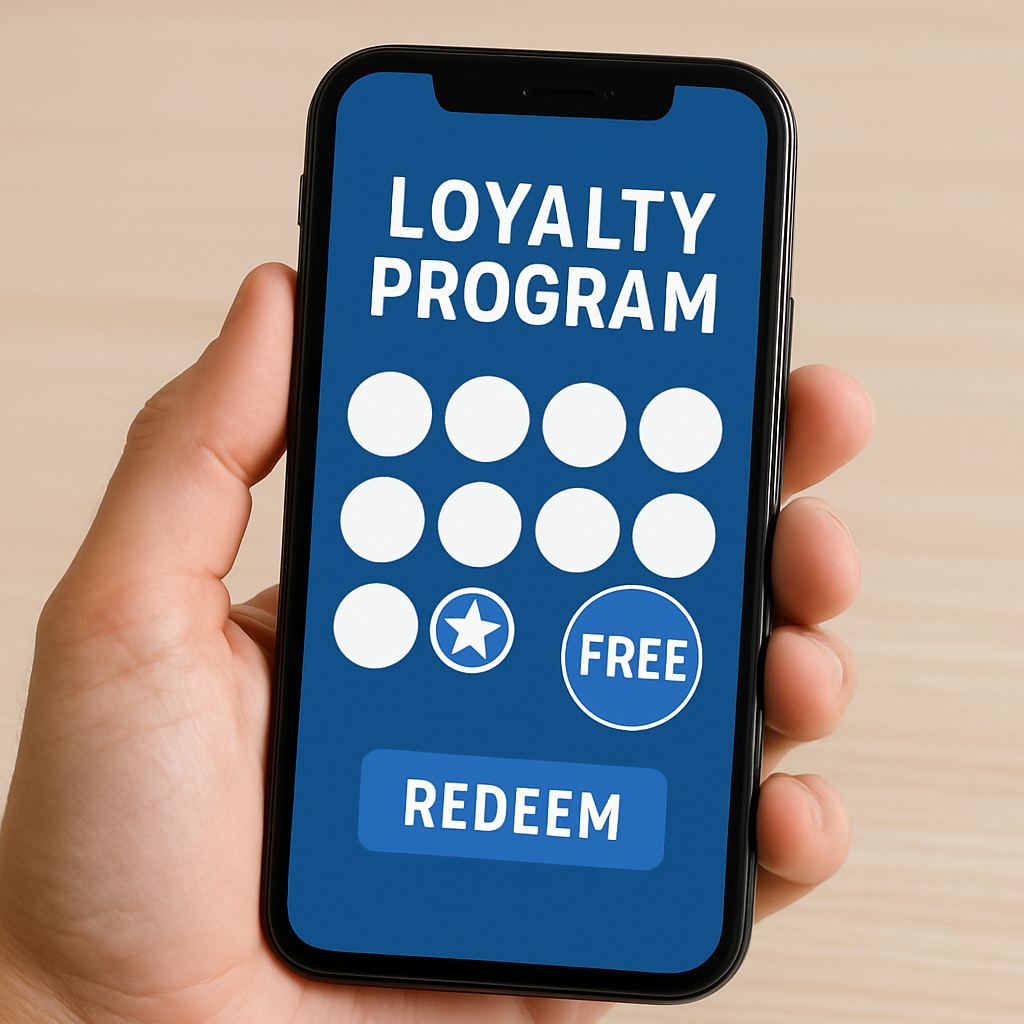
See it in action: With Datacandy, loyalty is simple, fast, and effortless so your staff can focus on what matters most: great service and happy, returning customers.
Watch a quick demo to see how DataCandy works and discover how easy it can be to launch and manage your loyalty program.
3. Balance the “Why” with the “How”
Your staff doesn’t need to know every technical detail of the loyalty program, but they do need to understand enough to answer customer questions on the spot.
They should know:
-
How customers earn points and rewards
-
How rewards are redeemed and what they can be used for
-
Any current promotions or bonus opportunities
But just as importantly, they should be able to bring it back to the customer:
-
What does the customer get?
-
Why should they care?
-
How easy is it to join?
If your team can explain the program clearly in one or two friendly sentences, they’re set up for success and your customers will feel confident too.
And bonus points (pun intended) if your staff actually uses and enjoys your loyalty program themselves. It’s always a much easier conversation when the person promoting it genuinely believes in the value it delivers. When employees can say, “I use this all the time, it saves me a lot of money and time” it doesn’t feel like a pitch, it feels like a genuine recommendation.
4. Recognize and Celebrate Staff Efforts
What gets noticed gets repeated. Celebrating your team’s wins keeps loyalty top of mind and builds positive habits.
Consider recognizing:
- Team members who consistently enroll customers
- Shifts that make loyalty promotion part of every interaction
- Positive customer feedback related to rewards
Even small shout-outs (like a quick mention in a team huddle), can go a long way in reinforcing the behaviour.
Use Scripts as Support, Not a Script to Read From
When you hear the word scripts, it’s easy to picture someone stiffly reading lines off a page (like an actor at a rehearsal), awkward pauses and all. That’s not what we mean here.
These aren’t scripts you memorize or read word-for-word. Think of them as helpful guides or simply starting points for what to say in common, everyday situations. They’re there to give your team confidence in the moment, not to make conversations feel forced.
The goal of loyalty training isn’t to turn your team into pushy salespeople. It’s to help them feel confident offering something genuinely useful.
Before getting into scripts, make sure your team understands:
- Why the loyalty program exists
- How it benefits customers
- How it helps say “thank you” to people who keep choosing you
When employees genuinely understand the purpose of the program (and are loyalty program users themselves), it shows in the way they talk about it.
Real Frontline Scripts And When to Use Them
Regulars Who Aren’t Members
Scenario: It’s mid-morning. The rush has slowed. A regular walks in and orders the usual.
What this sounds like in real life: “You know, with how often you’re in here, you’d probably be getting a lot of free coffee through our rewards. I’d hate for you to miss out on that.”
Why this works: It’s specific to them. It feels personal and genuine. No pressure. No pitch. Just a helpful heads-up.
New Customers at Checkout
Scenario: A customer is placing an order. After you ask them “Are you a part of our loyalty program?” They say “No, I’m not.”
What this sounds like in real life: “Oh, no worries. We have a rewards program that gives you points toward free items. It’s quick to join if you want to earn on today’s purchase.”
Why this works: It’s informative, not pushy. You’re offering something useful at the right moment.
Pro tip for managers: If your program has a first-time sign-up bonus (like extra points or a small discount) encourage your team to mention it. It makes the offer feel even more rewarding and gives customers an immediate win.
What this could sound like:
“By the way, if you join today, you’ll get 100 bonus points right you can use to redeem a free drink on your next visit! ”
Or:
“Just letting you know that if you sign up today, you can enjoy 10% off your first purchase as a welcome reward. It’ll only take a few seconds.”
To keep lines moving smoothly during busy morning or lunchtime rushes, use simple signage with QR codes that customers can scan while they wait. A simple prompt like, “Get 100 points when you sign up, that’s $10 toward pastries and coffee,” makes the value clear without slowing things down.
Editor’s note: There’s nothing that makes me give away all my personal information faster than a sign-up freebie (other than maybe a birthday freebie). And I’m not alone, a lot of customers feel the same way. It’s a little nudge that actually works.
Promotions or Bonus Point Days
Scenario: There’s a limited-time offer running, and it’s easy for both staff and customers to forget.
What this sounds like in real life:
“Quick heads-up. We’re doing double points today on iced drinks. You can redeem points towards free beverages and snacks in the future.” Or “If you’re a rewards member, you’ll earn extra points on this today. If you’re not, I can register you in just a few seconds!”
Why this works: It creates urgency and gives customers a reason to care right now.
Customers Close to a Reward
Scenario: You scan a customer’s rewards card at checkout and notice they’re just a few points away from their next reward.
What this sounds like in real life: “Just so you know, you’re actually pretty close to a free drink.” Or “One more visit and you’ll have enough points for a reward.”
Why this works: This doesn’t feel like a pitch. It feels like good news.
You’re pointing out real, tangible value that’s already within reach, not selling something new. The customer doesn’t have to imagine a future benefit or do mental math. They can immediately see, “Oh, that’s almost mine.” That moment of realization creates a small but powerful emotional response. It’s exciting. It feels rewarding. And it reinforces the idea that the program is actually working for them.
In short: calling out “almost there” moments keeps customers excited, active, and coming back for more.
How to Share These Scripts With Your Frontline Staff
Quick tips to roll these scripts out to your team:
- Post it somewhere visible: Put the scripts on a shift board, tablet, or in the staff breakroom so employees can reference them quickly.
- Use pre-shift huddles: Spend 2–3 minutes highlighting a few key scripts before service starts. It only takes a minute to practice a natural delivery.
- Do short role-play drills: Pair employees to practice real-life scenarios, like a regular ordering their usual or a new customer at the counter.
- Encourage personal style: These scripts are guides, not rules. Employees should feel free to make the words their own while keeping the conversation helpful.
Even tiny steps like these can make loyalty feel simple and natural, and ensure your team mentions it consistently and without slowing down service.
Final Thoughts: Loyalty Training Is an Ongoing Conversation
The strongest loyalty programs aren’t built overnight and neither is great frontline training.
As your program evolves, scripts can be refined, prompts can be optimized, and teams can get more comfortable weaving loyalty into everyday conversations.
When frontline teams feel confident, supported, and equipped with the right tools, loyalty stops feeling like an extra task and starts feeling like great customer service.
And that’s where real, long-term loyalty begins.
Read our practical guide on turning your frontline employees into true loyalty ambassadors.