Not all repeat business is created equal. Some customers come back because you gave them a deal. Others come back because they didn’t consider any other option.
At first glance, both look the same. But what’s driving that behaviour underneath is completely different. And that difference is what determines whether your growth is sustainable or whether you’re constantly chasing your next busy day.
Because while discounts can bring customers back once or twice, loyalty is what actually drives consistent, repeat visits over time.
Let’s look at it through one simple example: a coffee shop trying to attract new customers and turn them into regulars.
What Discounts Do Best: Driving Immediate Action
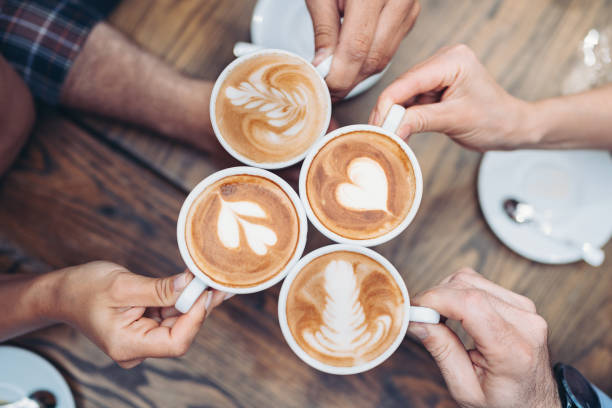
The coffee shop decides to run a “buy one, get one free” promotion. Almost immediately, it works. Foot traffic increases. New customers walk in. Regulars stop by more often. The shop feels busier, and sales spike during the promotion. For someone walking by, the decision is easy: “why not grab a coffee if there’s a deal?”
Discounts are one of the fastest ways to influence customer behaviour. They work because they create urgency and reduce hesitation. A limited-time offer gives customers a clear reason to act now instead of later.
That’s why discounts are so commonly used to:
-
Attract new customers
-
Increase short-term traffic
-
Move inventory or promote specific products
At first, the promotion brings people in consistently. But over time, behaviour starts to shift. Customers begin to wait. Instead of stopping by throughout the week, they hold off until the next promotion. Why pay full price today when they know another deal is likely coming?
At the same time, a café down the street launches a similar offer. Now, those same customers start going there instead. Because the decision isn’t about which coffee they prefer, it’s about who has the better deal that day.
Over time, relying too heavily on discounts can:
- Train customers to wait for the next promotion: Frequent discounting changes customer behaviour. Instead of buying when they actually want a coffee, they start timing their visits around promotions. As a result, full-price visits drop and your business becomes dependent on constant offers just to maintain traffic.
- Shift focus from brand value to price: When discounts become the main reason customers choose you, your coffee, your atmosphere, and your service matter less. Your brand becomes interchangeable, and the only thing customers compare is price.
- Erode margins without building long-term retention: Every “buy one, get one free” offer cuts into your margins. And if those customers don’t come back without another deal, that cost isn’t an investment—it’s just a short-term spike with no lasting impact.
The shop gets busy during promotions, but quiet in between.
What Loyalty Does Best: Driving Consistent Repeat Behaviour
Loyalty programs change the equation entirely. Instead of focusing on a single moment, they focus on the entire customer journey. When customers are building up points and levelling up their loyalty status, price becomes just part of the equation and not the only factor.
Now imagine that instead of just offering discounts, the coffee shop introduces a loyalty program. Customers earn points for every purchase. After a certain number of visits, they unlock a free drink. They receive a birthday reward. Customers get personalized offers based on their habits.
Every interaction builds toward something:
- Points that accumulate over time
- Rewards that feel earned
- Offers that become more relevant with each visit
Now, grabbing a coffee isn’t just a one-time transaction, it’s part of a larger experience. Customers start to think differently: “I could go somewhere else… but I’m close to a free drink here.”
The Psychology Behind Loyalty
The biggest difference comes down to psychology. Discounts create urgency. Loyalty creates commitment. A customer who is one or two visits away from a free coffee isn’t just thinking about price anymore. They’re thinking: “I’m so close to my next reward.” Choosing another café means losing that momentum. This is often referred to as the “goal gradient effect”—the closer people get to a reward, the more motivated they are to complete the journey. And in a loyalty context, that translates directly into more frequent visits.
It also taps into another key behaviour: consistency. Once a customer starts choosing your coffee shop regularly, it becomes part of their routine. And routines are hard to break. That’s why, over time, loyalty programs don’t just influence individual purchases—they shape habits.
With a loyalty program in place, behaviour begins to shift:
- Customers visit more frequently to reach rewards faster
- They spend more over time to maximize points and rewards
- They choose your coffee shop more consistently, even without a promotion
The Personalization Advantage
Beyond psychology, loyalty programs unlock something discounts alone never can: data-driven personalization. A discount treats every customer the same. A loyalty program allows you to treat every customer differently.
With a platform like DataCandy, every interaction becomes a data point—what customers buy, how often they visit, when they tend to return. And that data can be used to create experiences that feel relevant.
Instead of sending the same offer to everyone, you can:
- Send targeted offers based on actual behaviour (e.g., a reward for their favourite drink)
- Reward your most valuable customers with exclusive perks
- Offer bonus points or promotions on specific items to influence purchasing habits
- Automatically re-engage customers who haven’t visited in a while with timely incentives
This level of personalization does two things:
- It increases the likelihood that customers come back
- It makes them feel recognized and valued which increases emotional loyalty
And that emotional layer matters. Because when customers feel like a brand understands them, they’re far more likely to stay loyal to it.
How Discounts Can Lead to Loyalty (When Used Right)
Here’s the key: discounts and loyalty aren’t opposites. Discounts can actually fuel loyalty, if they’re used strategically.
Instead of offering one-off promotions with no follow-up, leading brands use discounts as an entry point into a larger loyalty experience.
For example, the coffee shop could:
- Offer a “buy one, get one free” when customers sign up for the loyalty program
- Run double points promotions instead of flat discounts
- Send personalized offers based on past visits
In these cases, the discount isn’t the end goal—it’s the beginning of the relationship. That’s how strong loyalty programs evolve: they start with incentives, then become more meaningful over time through personalization and recognition.
Final Thoughts
As we’ve seen with the coffee shop example, promotions create spikes in traffic—but they don’t build consistency. Customers come when there’s a deal, and leave when there isn’t. Over time, that creates a cycle where you’re constantly having to discount just to maintain the same level of business.
Loyalty breaks that cycle. Because instead of relying on short-term incentives, it builds long-term habits. It gives customers a reason to come back, not just once, but again and again. Through progress, personalization, and emotional connection, loyalty turns occasional visitors into regulars—and regulars into your most valuable customers.
Read our blog on the profitability of a loyalty program to see how loyalty translates into real financial returns.