---
title: Which Friends Character Is Your Gift Card Customer? (6 Buyer Personas Explained)
description: Discover which 'Friends' character matches your gift card customers and learn how to tailor your program to meet their unique needs and habits.
image: https://datacandy.com/hubfs/Imported_Blog_Media/Frame%2040%20(3)-1-Feb-25-2026-11-20-47-7481-PM.jpg
---
[Skip to main content](https://datacandy.com/resources/which-friends-character-is-your-gift-card-customer-6-buyer-personas-explained#main-content)
- Platform
- [### Gift Cards
Attract new customers and see impressive returns by selling gift cards.
](https://datacandy.com/platform/gift-cards)
- [### Loyalty Program
Boost customer spending and drive repeat visits.
](https://datacandy.com/platform/loyalty-program)
- [### Automated Offers
Drive repeat business with automated offers sent at the perfect time.
](https://datacandy.com/platform/automated-offers)
- [### Reviews
Easily get more customer reviews, referrals, and digital word of mouth.
](https://datacandy.com/platform/reviews)
- [### Insights
Track the health and ROI of your gift card and loyalty programs.
](https://datacandy.com/platform/insights)
- [### Social Rewards
New
Reward your members for taking action on social media.
](https://datacandy.com/platform/social-rewards)
- [### Mobile Apps
New
Launch a branded smartphone app for points, rewards, and offers.
](https://datacandy.com/platform/mobile-apps)
- [ For large businesses
### DataCandy PRO
Enterprise power for high volume, multi-location businesses.
](https://datacandy.com/pro)
### [How does it work?  Take a peek under the hood to see how DataCandy's gift & loyalty platform can benefit your business. Watch a demo](https://datacandy.com/how-does-datacandy-work)
- Learn More
### [How to Create Customer-Driven Growth -Feb-25-2026-07-19-46-9712-PM.png) Guide: How to Start a Gift Card Program for Small Business Learn more](https://datacandy.com/resources/how-to-create-a-gift-card-program-for-small-business)
- Industries
- [### Health & Wellness
Ideal for spas, gyms, massage clinics, fitness studios, and more.
](https://datacandy.com/health-wellness)
- [### Retail
Ideal for grocery stores, boutiques, e-commerce retailers, and more
](https://datacandy.com/retail)
- [### Restaurant
Ideal for cafes, pubs, quick-service restaurants, and more.
](https://datacandy.com/restaurant)
- [### Gas & Convenience
Ideal for gas stations and convenience stores.
](https://datacandy.com/gas-convenience)
- [ For large businesses
### DataCandy PRO
Enterprise power for high volume, multi-location businesses.
](https://datacandy.com/pro)
### [Curious about your loyalty revenue potential?  Find out how much your loyalty program could earn with our ROI calculator. Use our ROI calculator](https://datacandy.com/loyalty-roi-calculator)
- [ Integrations ](https://datacandy.com/integrations)
- [ Pricing ](https://datacandy.com/pricing)
[ Login ](https://app.datacandy.com/auth/login) [ Get Started ](https://datacandy.com/sign-up-loyalty-program)
[**
Blog
•
](https://datacandy.com/resources/tag/blog) [ Gift Card Programs ](https://datacandy.com/resources/tag/gift-card-programs)
# Which Friends Character Is Your Gift Card Customer? (6 Buyer Personas Explained)
###### [Elaine Pu](https://datacandy.com/resources/author/elaine-pu)
•
7 min read
** ** **
Gift cards might not live in a purple apartment or drink coffee at Central Perk, but if they did, they’d absolutely fit right into the *Friends* universe.
Why? Because just like the show’s characters, gift card buyers aren’t all the same. They have different motivations, habits, and expectations.
Understanding *who* your gift card customers are (and *why* they’re buying) helps you design programs that actually convert, get redeemed, and drive repeat visits.
So let’s meet the most common gift card personas—*Friends* style.
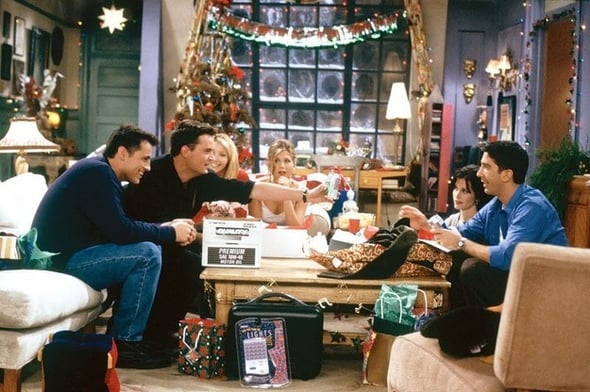
## **Phoebe Buffay: The Meaningful Gifter**
Phoebe Buffay doesn’t just buy gifts, she crafts little moments of magic.
Picture her wandering through a sun-dappled thrift shop in Greenwich Village, humming an off-key tune and examining every quirky mug, candle, or notebook as if it might contain the secrets of the universe. She’s on a mission: the gift must be unexpected, personal, and just the right kind of weird. Maybe it’s for Joey, who’s been a little down lately, or for her friend who loves impromptu adventures.
To Phoebe, a gift card isn’t just a card: it’s an opportunity to tell a story, make someone laugh, or conjure a tiny bit of happiness out of thin air.
**Phoebe in action:**
- She might pair a thrifted, hand-painted mug from Greenwich Village with a coffee shop gift card, leaving a note: *“This mug buys you warmth, this card buys you coffee… you’re welcome.” *
- For her friend’s birthday, she writes a silly song about the gift card, strums her guitar, and performs it dramatically: *"This gift card buys you coffee, this gift card buys you tea... b**ut what you really need is a latte with me!"*
- Scheduling a gift card on a random Wednesday* “because gifts are better when they’re unexpected”. *
- Wraps everything in doodles, stickers, and tiny crystals—because every gift card deserves *magic*.
**How to appeal to her:**
- **Beautiful physical presentation: **Make physical gift cards feel intentional and gift-worthy, not transactional.* *Offer branded card designs, envelopes, or display packaging.
- **Personalized digital options: **Allow customization so digital cards still feel warm and thoughtful. Consider offering custom messages, occasion-based designs, or scheduled delivery dates.
- **Experience-first framing:** Focus on what the recipient will enjoy, not the dollar value.
*“Perfect for a cozy brunch”* lands better than *“$50 gift card.”*
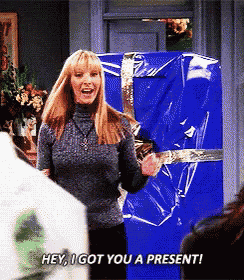
## **Ross Geller: The Value Seeker**
*“We were on a break!”* (…from overspending.)
Ross approaches gift cards like a paleontology dig: precise, calculated, and slightly neurotic.
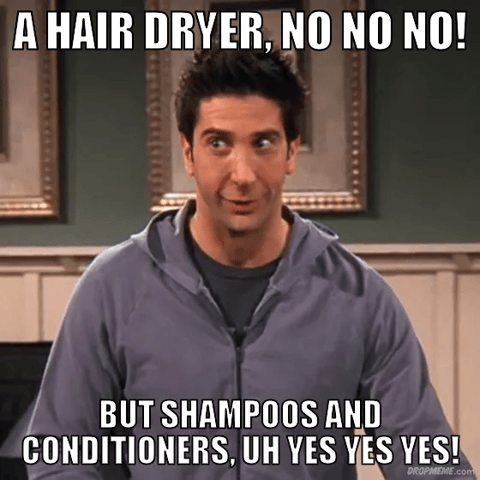
Ross is strategic, promotion-driven, and motivated by getting the most value possible. Whether buying gift cards for others or stocking up for himself, Ross wants to know he’s making a *smart* decision.
**Ross in action:**
- Compares multiple gift cards at Barnes & Noble while sipping coffee at Central Perk, calculating which offers the best combination of value and flexibility.
- Buys a Museum of Natural History gift card for Ben’s birthday with a note that says *“The gift of education is priceless”. *
- Uses mental math to determine which gift card promotion is the best value.
**How to appeal to him:**
- **Bonus value promotions*****: ***Offer clear, compelling incentives that increase perceived value. *“Buy $50 in gift cards, get a $10 promo card.”*
- **Loyalty integration:** Points or tier progress for gift card purchases. Connect gift cards [directly to your loyalty program](https://datacandy.com/resources/how-to-build-customer-loyalty-with-gift-cards) so he feels rewarded for buying and using them.* “Earn points when you buy gift cards for yourself.”*
- **Urgency-driven messaging*****: *** Encourage faster decisions with time-bound language.
*“This week only” *or *“Bonus available for a limited time. Save while you can!”*
For Ross, gift cards aren’t indulgent, they’re efficient. And efficiency always wins.
## **Chandler Bing: The Recipient-Turned-Regular**
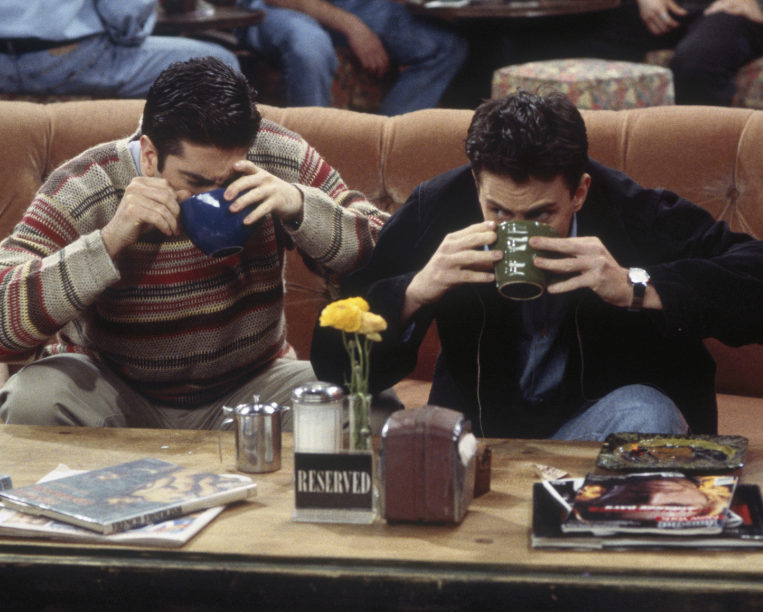
Chandler didn’t pick this gift card himself. It came from his boss at work—a neat little coffee shop card with a note: *“Happy work anniversary, Chandler!”* He raises an eyebrow and mutters, *“Wow… ten years already? Time sure does fly when you’re, you know… surviving.”* He’s never actually been to this place, but free coffee is free coffee, so he decides to swing by on his morning commute the next day.
**Chandler in action:**
- Walks into the coffee shop, gift card in hand, giving a wry smile: *“Could this be any more corporate?”*
- Redeems the card smoothly, pleasantly surprised that the staff know exactly what to do. *“Okay, not terrible,”* he mutters, sipping his latte.
- Gets introduced to the loyalty program casually: *“Would you like to earn rewards on today’s visit?”* Chandler raises a brow, smirks, and says,* “Well, I guess I could use another free coffee.”*
- Leaves feeling mildly impressed and hating his job just a *tiny *bit less.
**How to appeal to him:**
- **Simple redemption experience:** Remove confusion and hesitation at first use.
Make sure you have clear redemption instructions at checkout or in follow-up emails.
- **Warm staff enablement:** Empower staff to confidently support gift card users and are easily able to support gift card redemption.
- **Loyalty entry point: **Use redemption as a natural moment to introduce loyalty.
Enable your staff with a [simple script](https://datacandy.com/resources/best-practices-for-frontline-loyalty-training-including-scripts-for-your-team) such as* “Would you like to earn rewards on today’s visit?”*
With the right experience, even Chandler’s cynical commentary turns into trust (and maybe even a smile).
## **Monica Geller: The Planner (and Perfectionist)**
Monica does not wing it. Ever.
Monica plans ahead, budgets intentionally, and wants everything to be *just right*. When Monica buys a gift card, it’s usually part of a bigger plan: holiday shopping, teacher gifts, employee appreciation, or stocking up before a busy season. She probably has a colour-coded calendar reminder titled:* “Buy Gift Card DO NOT FORGET.”*
If the process feels messy or unclear, Monica will bail.
**Monica in action:**
- Orders 10 gift cards online for her team’s holiday gifts, double-checking delivery confirmations.
- Tracks which card goes to whom in a colour-coded spreadsheet.
- Talks to the cashier like a project manager: *“I just need to confirm these all work correctly before distributing them.”*
- Keeps backup cards in her purse *“just in case”.*
- Schedules a digital gift card to arrive exactly at midnight with a note that says *“You’re officially one year older, also I triple-checked the delivery so nothing could possibly go wrong.”*
**How to appeal to her:**
- **Clear terms and conditions:** Make it easy to understand how gift cards work, when they expire (or don’t), and how they can be redeemed. A simple Gift Card FAQ page, linked directly from your gift card purchase flow, gives buyers instant reassurance and peace of mind.
- **Bulk purchasing options:*** *Help your Monica-types plan ahead by offering easy ways to buy multiple gift cards at once. Whether it’s for her team, an event, or a special occasion, she can stock up in a single checkout and feel perfectly organized—just the way she likes it. *“Don’t wait till the last minute, grab them now and be ready for anything!”*
- **Reliable delivery and tracking: **Confirmation emails, delivery notifications, and balance visibility help Monica feel calm and in control.
- **Consistent redemption experience:** Gift cards should work the same way every time, across locations and channels. No surprises.
For Monica, gift cards are part of a system. When everything is structured, predictable, and efficient, she becomes a repeat buyer who plans gift cards into her routine year after year.
And honestly? These are the customers you *want* organizing their gift lists around your brand.

## **Joey Tribbiani: The Last-Minute Gifter**
Joey means well. He really does. But planning ahead? Not his thing.
Joey glances at his phone and realizes it’s Ross’s birthday today. *Five minutes ago,* actually. Panic sets in.
He races into his favorite pizza spot, grabs a gift card off the “Need a Last-Minute Gift?” display, and pays with the cash in his wallet (probably a mix of coins and crumpled bills). He scribbles a note: *“Happy Birthday! Hope this makes up for forgetting”. *By the time he arrives at Ross’s apartment, he’s out of breath, the card slightly bent from stuffing it into his back pocket. At least it’s better than “a pen that’s also a clock”.
**Joey in action:**
- Checks his phone mid-lunch at Central Perk and realizes he completely forgot Monica’s birthday. Dashes to a nearby store, grabs a gift card from a brightly labeled “Oops! Forgot a gift?” rack.
- Picks up a restaurant gift card for fun (like a cheesecake shop or pizza place) because for Joey, food = happiness. If he’s planning ahead, he might even share a link to [our ultimate list of free birthday freebies ](https://datacandy.com/resources/the-ultimate-guide-to-birthday-freebies-in-canada)to go with it.
- Slaps a gift card onto a crumpled pizza napkin with a hastily written note: *“Better late than never! Hope you like carbs.”*
**
**How to appeal to him:**
- **Instant digital delivery:** Make it painfully obvious that digital gift cards arrive immediately. Include messaging like* “*[*Digital gift cards*](https://datacandy.com/resources/what-is-a-digital-gift-card)* delivered to their inbox in seconds.”**
*
- **Impossible-to-miss physical cards:** Place [physical gift cards](https://datacandy.com/resources/5-reasons-plastic-gift-cards-are-better-than-paper-gift-certificates) right at checkout or near the entrance with signage like *“Need a gift now?”**
*
- **Reassuring language:** Joey doesn’t want to think. Tell him he’s making a safe choice. *“A great gift, even last minute.”*
- **Low-friction checkout:** Preset denominations online and in-store help him move fast and feel relieved.
If buying a gift card feels as easy as saying *“How you doin’?”, *Joey's in.
## **Rachel Green: The Trend-Savvy Self-Gifter**
*“Oh, don’t get that here. Now that you know what you want, you should go to a discount store. This place is so overpriced.” *
Rachel knows what she likes and she unapologetically goes for it.
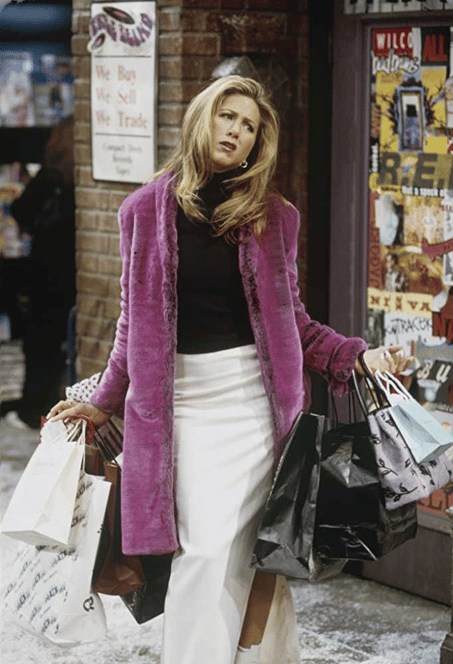
For her, gift cards aren’t a backup plan; they’re a clever way to *budget for indulgence*. She sets aside a little from each paycheck so she has a stash ready for that *“to-die-for”* blouse, the perfect latte, or a weekend treat. It’s all about giving herself something to look forward to while feeling smart and in control.
She’s loyal to brands that make the experience seamless, stylish, and effortless—anything clunky or frustrating, and she’s out.
**Rachel in action:**
- Sets aside a few dollars from each paycheck for a gift card stash.
- Buys a gift card for a designer blouse and another for a weekend coffee run, using her purse as her version of a budget spreadsheet.
- Reloads the same card for future treats
- Checks balances on the app before planning a shopping trip or coffee break.
**How to appeal to her:**
- **Clear balance visibility:** Make it effortless to check balances at any time. Rachel doesn’t want to ask, call, or guess.
- **“You deserve it” messaging:** Copy like, *“Because sometimes you just deserve a treat”* or *“Invest in your future self, she needs those perfect work shoes.”* hits the right tone.
- **Flexible redemption:** Make it easy to use gift cards online, in-store, or via app—no friction means she’ll reach for them again and again.
- **Loyalty integration:** Reward bonus points for buying gift cards. *“Earn points on your gift card purchases. Your future self will thank you.”*
- **Reloadable options:** Let her reload the same card for future treats, perfect for ongoing “treat yourself” moments without needing a new card each time.
Rachel’s “girl math” logic is simple: *If I buy it now and use it later, it’s basically free. I’m just investing in my future self.* Gift cards that feel like a smart, easy, and rewarding treat keep self-gifters coming back and build long-term loyalty without even trying.
## **Final Thoughts: Gift Cards That Show Up When It Matters**
At the end of the day, the best gift card programs don’t try to be everything to everyone. They’re designed to meet customers where they are—whether they’re rushing in at the last minute, searching for something meaningful, hunting for value, or using gift cards as part of their everyday routine.
When your gift card experience is easy to buy, simple to redeem, and flexible enough to fit different customer personalities, it does more than drive short-term sales. It builds trust, creates positive first impressions, and keeps customers coming back.
Because when gift cards work the way customers expect them to, they show up when people need them most—*“I’ll be there for you,”* whether it’s a forgotten birthday, a thoughtful thank-you, or a first visit that turns into a regular habit.
And that’s how gift cards stop being just a transaction and start becoming part of a lasting customer relationship.
Elaine Pu
Elaine is a content marketer at the Paystone brands. She likes thrifting, baking and scrapbooking.
Like what you see? Share with a friend.
** ** **
- ### Platform
- [ Gift Cards ](https://datacandy.com/platform/gift-cards)
- [ Customer Loyalty ](https://datacandy.com/platform/loyalty-program)
- [ Automated Offers ](https://datacandy.com/platform/automated-offers)
- [ Social Rewards ](https://datacandy.com/platform/social-rewards)
- [ Insights ](https://datacandy.com/platform/insights)
- [ Reviews ](https://datacandy.com/platform/reviews)
- [ DataCandy Pro ](https://datacandy.com/pro)
- [ Integrations ](https://datacandy.com/integrations)
- [ Pricing ](https://datacandy.com/pricing)
- [ Get Started ](https://datacandy.com/sign-up-loyalty-program)
- ### Resources
- [ Resource Hub ](https://datacandy.com/resources)
- [ Blog ](https://datacandy.com/resources/tag/blog)
- [ Podcast ](https://www.builtbymepodcast.com/)
- [ Help Centre ](https://help.datacandy.com/en/)
- [ Become a Partner ](https://datacandy.com/partners)
- [ Product Status ](https://status.datacandy.com/)
- ### Company
- [ Contact us ](https://datacandy.com/contact)
- [ Careers ](https://www.paystone.com/careers)
- [ Terms of use ](https://datacandy.com/terms-conditions)
- [ Privacy Policy ](https://datacandy.com/privacy)
- ### Get in touch
- [
1-877-630-0478
](tel:18776300478)
- [
support@datacandy.com
](mailto:support@datacandy.com)
- 509 Commissioners Rd. W.
Unit 434
London, ON, N6J 1Y5
- Mon.-Fri.
9 a.m.-5 p.m. ET
- [ Login ](https://app.datacandy.com/auth/login)
- English Français
- 
- 
- 
- 
-
-
-
-
```json
{
"@context" : "https://schema.org",
"@type" : "BlogPosting",
"author" : {
"@type" : "Person",
"name" : "Elaine Pu",
"url" : "https://datacandy.com/resources/author/elaine-pu"
},
"dateModified" : "2026-04-21T17:24:08.029Z",
"datePublished" : "2026-04-21T17:24:08.000Z",
"headline" : "Which Friends Character Is Your Gift Card Customer? (6 Buyer Personas Explained) ",
"image" : [ "https://datacandy.com/hubfs/Imported_Blog_Media/Frame%2040%20(3)-1-Feb-25-2026-11-20-47-7481-PM.jpg" ],
"mainEntityOfPage" : {
"@id" : "https://datacandy.com/resources/which-friends-character-is-your-gift-card-customer-6-buyer-personas-explained",
"@type" : "WebPage"
},
"publisher" : {
"@type" : "Organization",
"logo" : {
"@type" : "ImageObject",
"url" : "https://datacandy.com/hubfs/NiceJobLogo-Primary.svg"
},
"name" : "NiceJob, a Paystone Company"
}
}
```